

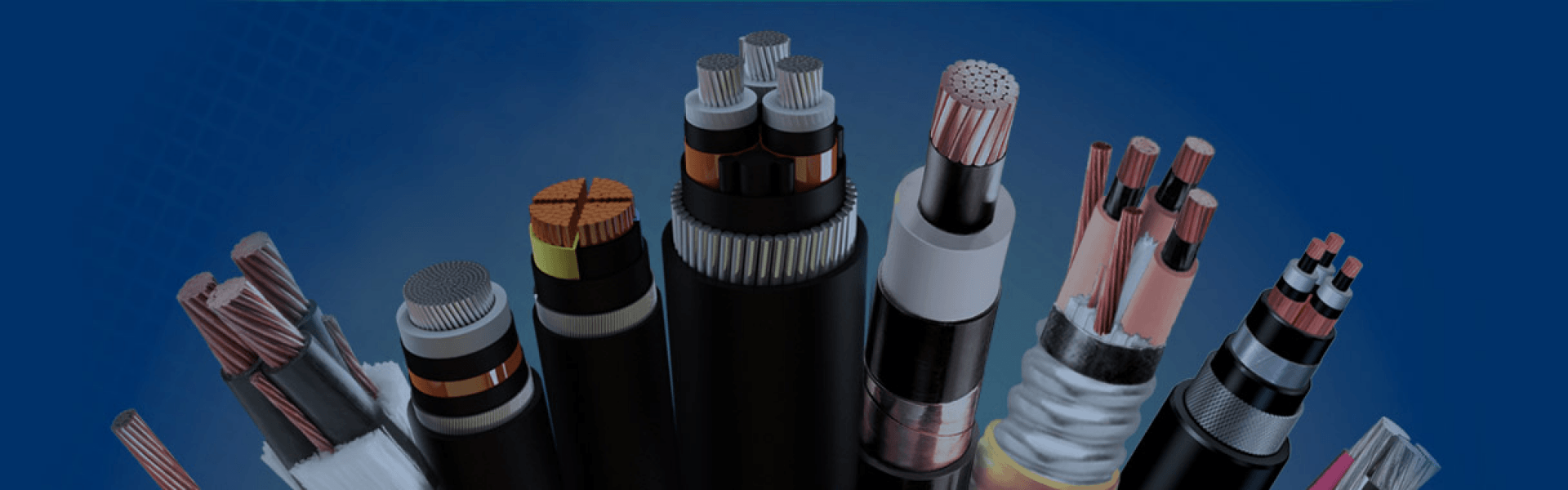
Airport Cable
Airport Cable is a specialized cable designed for airport electrical infrastructure, mainly used in airfield ground lighting (AGL) systems, including runway lighting, taxiway lighting, approach lighting, and other airport guidance systems. It is also used in aircraft ground power applications, such as 400Hz grounding and power supply systems.
Unlike standard power cables, Airport Cable is developed for the demanding conditions of airport environments, where safety, reliability, and long-term performance are critical. These cables are typically installed underground or inside cable ducts, requiring excellent insulation performance, moisture resistance, mechanical protection, and stable electrical characteristics to ensure continuous operation.
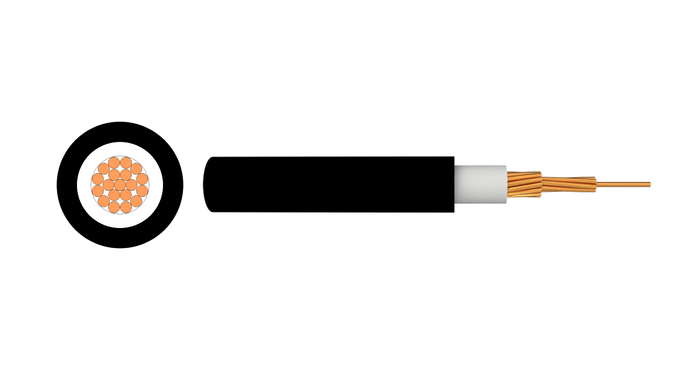
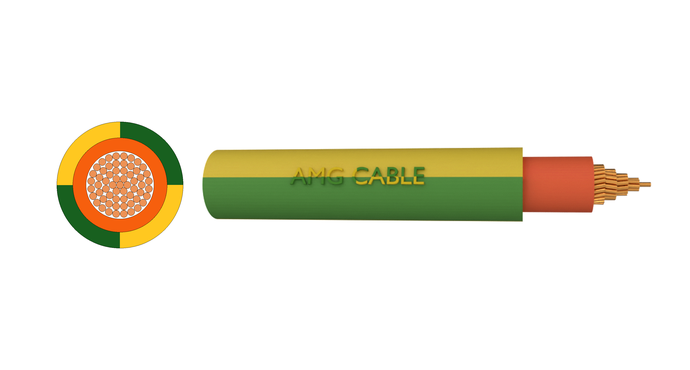
Our Airport Cable solutions include FAA L-824 Type B and Type C cables, 600V airport pavement cables, 5kV airfield lighting cables, and 400Hz single core grounding cables, covering different requirements for airport lighting and ground electrical systems. These cables are designed to support reliable power transmission for critical airport facilities and help maintain safe aircraft movement during takeoff, landing, and ground operations.
By selecting the right Airport Cable based on voltage rating, shielding requirements, installation conditions, and applicable standards, airport contractors and electrical system suppliers can build safer and more dependable airfield lighting networks.
Core Standards for Airport Cable
Airport Cable is mainly manufactured according to specialized airfield lighting cable standards, among which FAA L-824 (issued by the Federal Aviation Administration) is one of the most widely used specifications worldwide. This standard defines the requirements for cables used in airport ground lighting systems, including runway lighting, taxiway lighting, and approach lighting systems, ensuring safe and reliable operation in critical airport environments.
According to insulation materials and cable construction, FAA L-824 Airport Cable is commonly classified into Type B and Type C. Each type has different performance characteristics to meet various installation and operating requirements.
| Standard / Type | Insulation Material | Main Characteristics | Typical Applications |
| FAA L-824 Type B | EPR (Ethylene Propylene Rubber) Insulation | Excellent flexibility, good moisture resistance, and reliable electrical performance. Suitable for applications requiring easier installation and cable bending. | Runway lighting, taxiway lighting, and airfield ground lighting circuits |
| FAA L-824 Type C | XLPE (Cross-linked Polyethylene) Insulation | Higher temperature resistance, better aging resistance, and excellent long-term electrical stability. Suitable for demanding environments requiring extended service life. | Airport lighting systems requiring enhanced durability and performance |
| FAA L-824 Shielded Cable | Shielded construction with metallic shielding layer | Provides improved electromagnetic protection and reduces interference in sensitive airport electrical systems. | High-reliability constant current lighting circuits |
| FAA L-824 Unshielded Cable | Non-shielded construction | Offers reliable insulation performance with a simpler structure and cost-effective solution. | General airfield lighting applications |
Airport Cable
Get A Free Quote
Need Help?
Your Trusted Business Partner for Professional Cable Solutions
/ AMG FAQ /
Frequently Asked Questions
Airport Cable is mainly used for airport ground electrical systems, especially airfield ground lighting (AGL) systems. It provides reliable power transmission for critical airport facilities, including runway lighting, taxiway lighting, approach lighting, and airport guidance systems. Some Airport Cable types are also used for aircraft ground power systems, such as 400Hz grounding and power supply applications. Its design allows stable operation in demanding environments where safety and reliability are essential.
Airport Cable commonly follows FAA L-824, a widely recognized specification for airport lighting cables issued by the Federal Aviation Administration (FAA). The standard defines requirements for cable construction, voltage ratings, insulation performance, shielding, and testing methods for airfield lighting applications. Depending on the project location and requirements, some Airport Cables may also comply with other regional airport cable specifications, such as C 33-224 and C 33-225.
The main difference between Type B and Type C Airport Cable is the insulation material and resulting performance characteristics.
- Type B Airport Cabletypically uses EPR (Ethylene Propylene Rubber) insulation, offering excellent flexibility, moisture resistance, and easy installation. It is suitable for applications where cable flexibility and reliable performance are important.
- Type C Airport Cabletypically uses XLPE (Cross-linked Polyethylene) insulation, providing higher temperature resistance, improved aging performance, and long-term electrical stability. It is preferred for applications requiring enhanced durability and extended service life.
Both types are designed for reliable operation in airport lighting systems, with the selection depending on installation conditions and project requirements.
Yes. Airport Cable is designed for underground installation and is commonly installed beneath runways, taxiways, and airport pavement areas or inside underground cable ducts. These cables are manufactured with strong insulation and protective layers to withstand moisture, soil conditions, mechanical stress, and long-term environmental exposure. Proper installation methods should follow the applicable airport engineering requirements and cable manufacturer’s recommendations.

Have Questions?
Get in Touch with Us.
AMG Cable Group support 24*7 service and technical assistance.
Phone /Whatsapp / Wechat
+86 188 3803 6118Address
High-Tech Industrial Development Zone,Zhengzhou City,Henan Province,ChinaSend Us a Message
Please feel free to leave a message. We will reply in 24 hours.
/ AMG WIRE&CABLE /
Your trusted partner in high- performance wire and cables
Our team stands by 24/7, responding promptly to
inquiries and providing most quotations within 24 hours.