

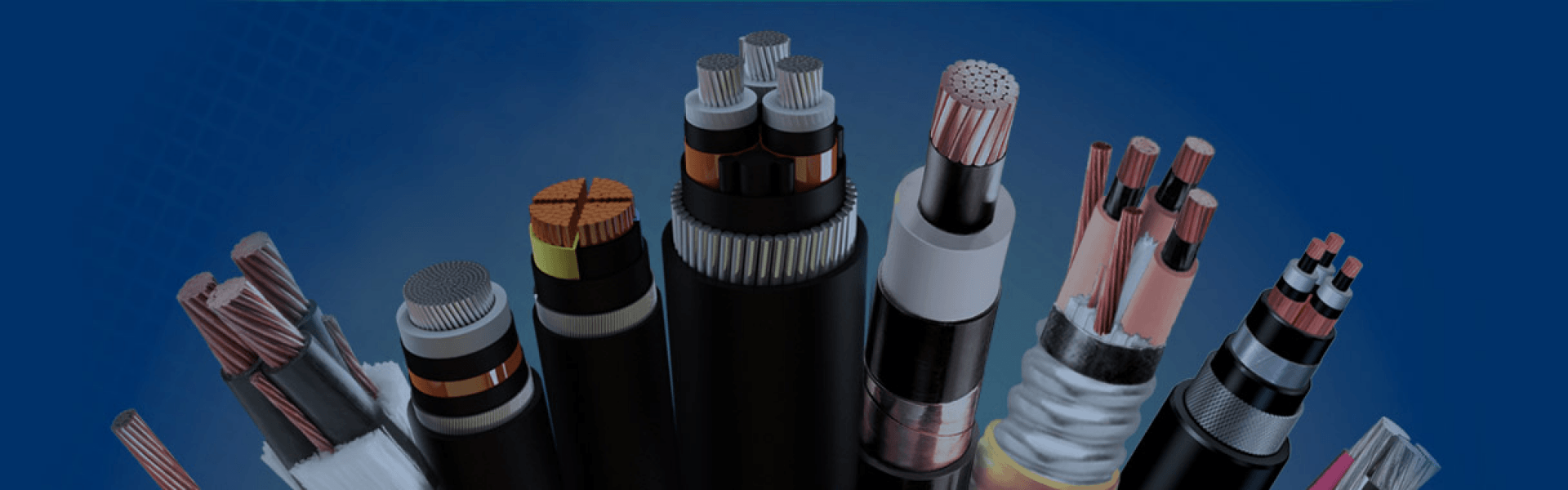
BESS Cable
BESS Industry Cable refers to cable products used in Battery Energy Storage Systems (BESS) for power transmission, control, and electrical connections. They connect battery systems with equipment such as PCS, distribution equipment, switchgear, and control systems.
BESS cable is an application-based category rather than a single cable type or universal standard. Different system components require different cable constructions depending on voltage, current, flexibility, mechanical protection, and installation conditions.
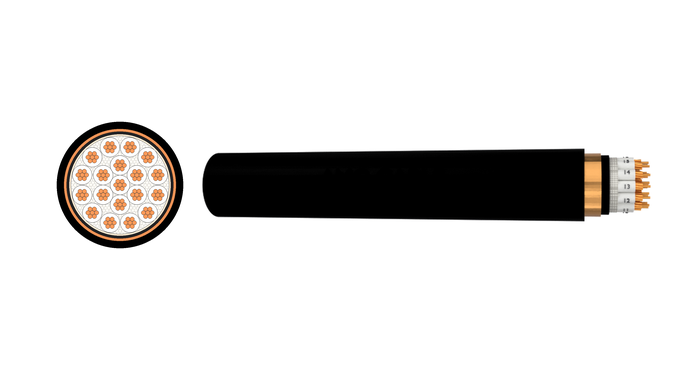
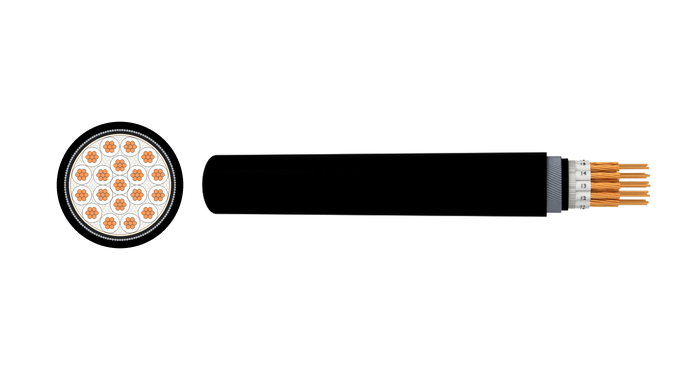
Our BESS Industry Cable range includes H07RN-F/A07RN-F 450/750V rubber cables, 0.6/1kV N2XY/NA2XY power cables, N2XBY/NA2XBY armored power cables, CVV control cables, CVV armored control cables, and CVV-S control cables.
These cables can cover suitable power, control, auxiliary, and monitoring connections in utility-scale, commercial and industrial, renewable energy, and containerized energy storage systems.
Cable selection should be based on the system voltage, current capacity, AC/DC application, installation method, environmental conditions, mechanical protection, and project requirements.
Core Technical Features & Engineering Advantages
- High Anti-EMI Noise Immunity: High-frequency switching from Power Conversion Systems (PCS) creates significant electromagnetic interference. Our shielded BESS cables (such as CVV-S) use high-coverage copper braid or tape shielding to protect BMS sensor lines, ensuring precise cell voltage, temperature, and SOC data accuracy.
- Superior Flexibility in Tight Quarters: Multi-stranded, fine-drawn copper conductors combined with durable elastomer sheathing (such as H07RN-F) deliver small bending radii. This allows easy cable routing inside compact battery racks and containerized enclosures while minimizing mechanical stress on terminal connections.
- Certified Flame Retardancy & Fire Safety: Insulated with flame-retardant XLPE and rubber compounds compliant with IEC 60332 standards. In the event of localized thermal incidents, the cable insulation resists flame propagation and limits smoke emissions inside enclosed storage facilities.
- Robust Weather, Oil, and UV Endurance: Built to handle long-term exposure in desert, coastal, or industrial settings. Outer sheaths resist UV radiation, moisture absorption, and oil mist, preventing jacket degradation and sheath cracking over decades of operation.
- Heavy-Duty Armored Protection: Steel-tape armored variants (such as N2XBY and CVV Armored) provide high mechanical crush resistance against ground settlement and heavy loads during outdoor trenching or direct-burial installations, while keeping lines safe from rodent damage.
- Low Line Loss & Thermal Efficiency: High-purity copper conductors coupled with heat-resistant insulation minimize electrical resistance and localized heat accumulation during continuous high-current charge and discharge cycles, preserving overall system efficiency.
BESS Cable
Get A Free Quote
Need Help?
Your Trusted Business Partner for Professional Cable Solutions
/ AMG FAQ /
Frequently Asked Questions
The connection between battery racks and the Power Conversion System (PCS) carries heavy DC current and operates under elevated temperatures and tight spatial constraints.
-
High-Flexibility Rubber Cables (e.g., H07RN-F / A07RN-F): Frequently used inside containers and racks where tight bending radii and high movement or vibration flexibility are required. Fine-stranded copper conductors make routing easier in restricted enclosure layouts.
-
XLPE-Insulated Single-Core DC Power Cables (e.g., 0.6/1kV or 1500V DC N2XY / YJV): Applied for main DC busbar lines and feeder runs connecting cluster combiner boxes to the PCS. XLPE insulation provides a 90°C continuous operating rating and high thermal endurance.
-
Key Requirements: Cables in this section must feature high current-carrying capacity, low electrical resistance, oil and heat resistance, and flame retardancy to withstand potential thermal stress inside the storage unit.
While both are essential to a storage system, they serve fundamentally different functions and are built with distinct structural features:
-
BESS Power Cables (e.g., H07RN-F, N2XY, N2XBY)
-
Function: Transmit bulk electrical power (DC power from batteries to PCS; AC power from PCS to grid/transformers).
-
Design Focus: Large-gauge conductors (high ampacity), thick XLPE or rubber insulation to handle high voltage/current, and heavy outer jackets (or steel armor) for heat and mechanical protection.
-
-
BESS Control & Signal Cables (e.g., CVV, CVV-S)
-
Function: Transmit data, voltage/temperature telemetry, and operational switching commands for the Battery Management System (BMS), auxiliary fans, and safety relays.
-
Design Focus: Multi-core, smaller-gauge conductors with integrated copper braid or tape shielding (Anti-EMI). Shielding is critical to prevent electromagnetic noise generated by PCS inverter switching from corrupting BMS data signals.
-
The required voltage rating depends directly on where the cable is installed within the BESS system architecture:
-
DC Side (Battery Racks to PCS): Typically requires 1000V DC for commercial & industrial (C&I) systems, and 1500V DC for utility-scale storage farms. Using 1500V DC cables allows higher power density and reduced copper weight across large installations.
-
AC Low-Voltage Side (PCS to Transformer): Standard 0.6/1kV AC rated cables (such as N2XY or N2XBY) are used for low-voltage AC power distribution between inverters, switchgears, and step-up transformers.
-
Control & Auxiliary Side (BMS & Fans): Generally rated at 300/500V, 450/750V, or 600V, which provides ample insulation margin for low-power control circuitry, relay switching, and sensor telemetry.

Have Questions?
Get in Touch with Us.
AMG Cable Group support 24*7 service and technical assistance.
Phone /Whatsapp / Wechat
+86 188 3803 6118Address
High-Tech Industrial Development Zone,Zhengzhou City,Henan Province,ChinaSend Us a Message
Please feel free to leave a message. We will reply in 24 hours.
/ AMG WIRE&CABLE /
Your trusted partner in high- performance wire and cables
Our team stands by 24/7, responding promptly to
inquiries and providing most quotations within 24 hours.