

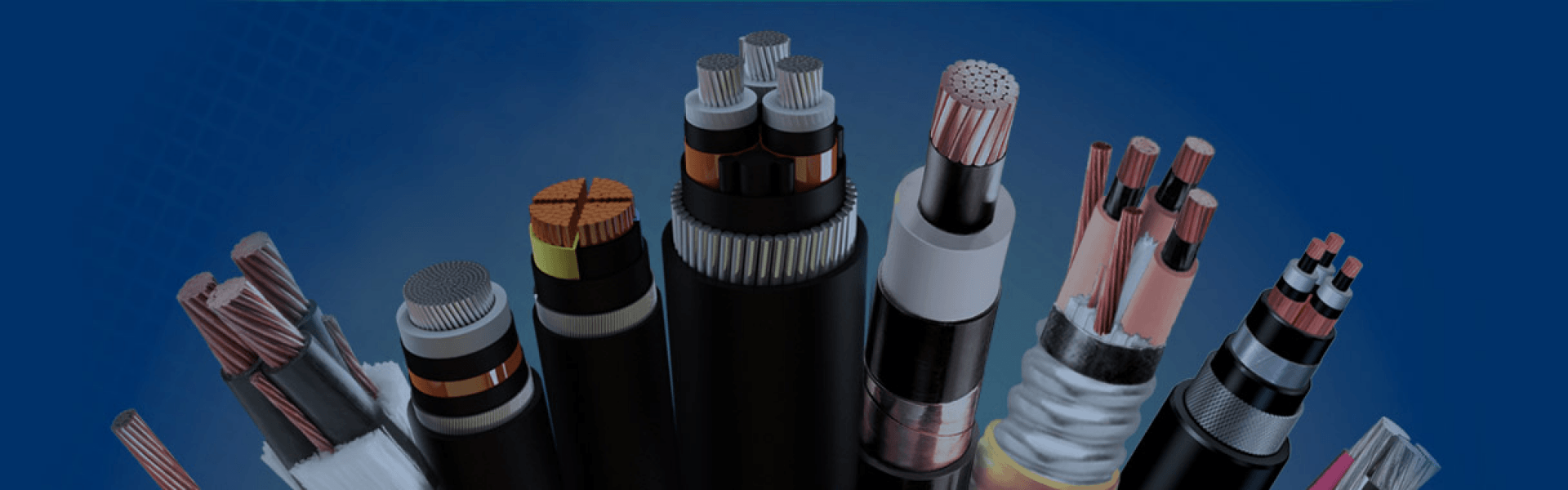
UL 62 Cable
UL 62, also known as the Standard for Safety for Flexible Cords and Cables, specifies safety and performance requirements for different types of flexible electrical cords and cables. It covers key aspects of cable construction, including conductor materials and stranding, insulation and jacket materials, electrical performance, mechanical properties, temperature ratings, and product marking. The current 21st edition covers flexible cords, elevator cables, and hoistway cables rated up to 600V.
The requirements vary according to the cable type and its intended application. Common conductor materials include stranded annealed copper, while insulation and jacket materials may include PVC, rubber, and other suitable compounds. UL 62 also addresses relevant electrical and mechanical properties to help ensure that cables perform safely under their specified operating conditions. Not every cable is required to meet the same temperature, oil-resistance, weather-resistance, or flame-performance requirements.
UL 62 cable designations help identify different cord types and construction features. For example, S generally refers to extra-hard-usage cord, SJ to hard-usage cord, and O or OO to specific oil-resistant constructions. The meaning of individual letters depends on their position in the designation.
For buyers, understanding UL 62 makes it easier to evaluate flexible cables for their intended applications. Products such as TSJ and TSJ-N Cable, as well as Silicone Rubber Cable, should be checked against their specific construction, voltage and temperature ratings, and certification details to confirm suitability for the project.
What Is the Purpose of the UL 62 Standard?
UL 62 provides a common framework for evaluating the safety and performance of flexible cords and cables. It helps manufacturers, buyers, and end users understand product requirements, compare cable specifications, and select suitable products for their applications. Its main benefits include:
1. Guiding Cable Design and Manufacturing
UL 62 establishes requirements for cable construction, materials, electrical properties, and mechanical performance. It helps manufacturers develop and produce flexible cords that meet the applicable safety and performance requirements for their specific cable types.
2. Simplifying Cable Selection
Standardized cable designations, such as S and SJ, help buyers identify different cord types and their intended usage categories. This makes it easier to compare products and narrow down suitable options. However, the complete cable designation, voltage rating, temperature rating, and other specifications should always be checked before selection.
3. Improving Electrical and Mechanical Safety
By addressing insulation integrity, electrical performance, and relevant mechanical properties, UL 62 helps reduce risks associated with electrical faults and physical damage during normal use. This is particularly important for flexible cords used with portable equipment and other applications involving movement or handling.
4. Supporting North American Market Compliance
UL 62 is an important product standard referenced by applicable electrical codes in the United States, Canada, and Mexico. Products that meet the relevant requirements can support compliance with these markets’ electrical safety regulations. However, compliance with UL 62 does not automatically mean a product has obtained UL Listing or approval for every installation.
5. Reducing Procurement and Application Risks
UL 62 gives purchasing teams and engineers a clearer basis for evaluating cable specifications. By checking the exact cable type, conductor size, number of cores, voltage and temperature ratings, environmental properties, and certification status, buyers can avoid selecting products based on appearance or material descriptions alone.
UL 62 Cable
Get A Free Quote
Need Help?
Your Trusted Business Partner for Professional Cable Solutions
/ AMG FAQ /
Frequently Asked Questions
UL 62 (Standard for Flexible Cords and Cables) covers flexible cords, power supply cords, elevator cables, and electric vehicle (EV) charging cables intended for use in mobile, portable, or temporary wiring applications. It regulates conductor construction (stranded bare or tinned copper), insulation and jacket materials (such as PVC, TPE, neoprene, and silicone rubber), voltage ratings (typically 300V and 600V, up to 1000V for EV lines), flame-retardant standards (e.g., VW-1, FT1), temperature limits (-50°C to +200°C depending on compound), and designation codes (such as S, SJ, T, N, O, W).
The fundamental difference lies in their application design and physical flexibility:
-
UL 62 governs flexible cords and cables (e.g., TSJ, TSJ-N, SOOW, Silicone Rubber Cords) designed for portable equipment, frequent flexing, coiling, and mechanical movement.
-
UL 83 governs thermoplastic-insulated wires and cables (such as THHN, THWN, and THWN-2) designed for fixed, permanent building wiring inside conduits, raceways, or cable trays. They use solid or coarsely stranded conductors and are not designed for continuous bending or portable power usage.
Yes, but only specific UL 62 cable types designated for outdoor environments. To verify outdoor suitability, look for the letter “W” in the designation code (e.g., SJTW, STW, SOOW). The “W” rating certifies that the cable’s outer jacket has passed rigorous testing for sunlight/UV resistance, water immersion, and weather aging. Non-“W” rated UL 62 cables (such as standard indoor PVC or unrated rubber cords) should not be exposed to direct sunlight or continuous outdoor moisture.

Have Questions?
Get in Touch with Us.
AMG Cable Group support 24*7 service and technical assistance.
Phone /Whatsapp / Wechat
+86 188 3803 6118Address
High-Tech Industrial Development Zone,Zhengzhou City,Henan Province,ChinaSend Us a Message
Please feel free to leave a message. We will reply in 24 hours.
/ AMG WIRE&CABLE /
Your trusted partner in high- performance wire and cables
Our team stands by 24/7, responding promptly to
inquiries and providing most quotations within 24 hours.