

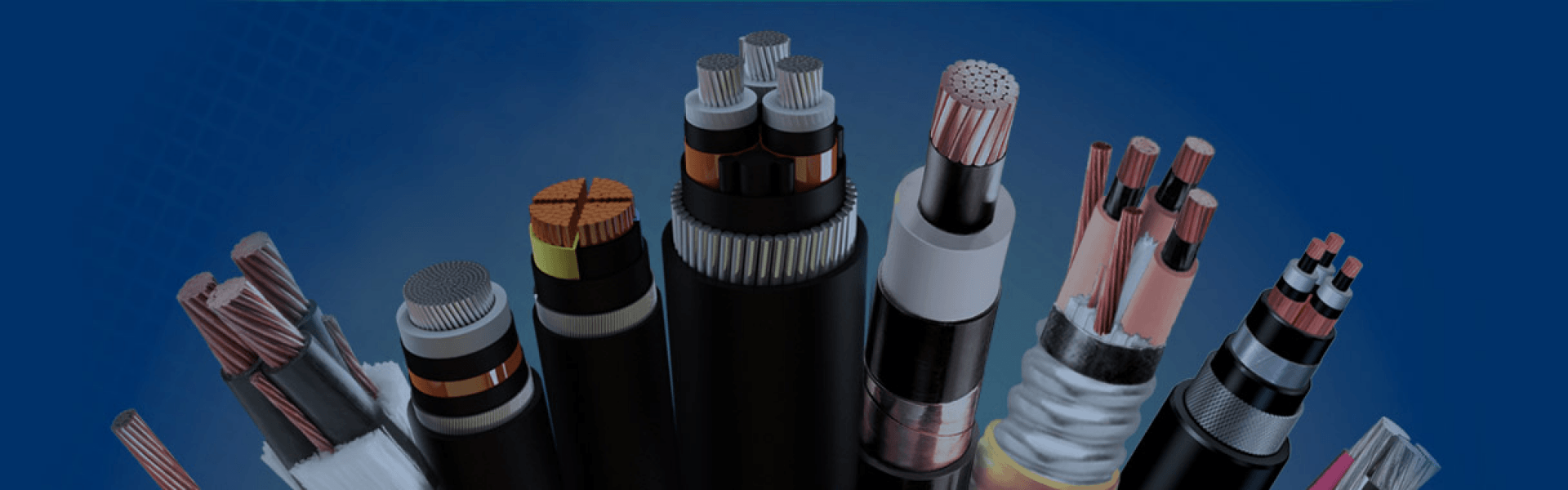
UL 758 Cable
UL 758, also known as the Standard for Appliance Wiring Material (AWM), establishes safety and performance requirements for wires and cables used in electrical appliances and equipment. It covers single-conductor wires, multi-conductor cables and other specified wiring materials, mainly for factory-installed internal wiring and connections between equipment. These products are intended for equipment applications rather than general building wiring.
The standard covers key aspects of cable design and performance, including conductor construction, insulation and jacket materials, dimensions, voltage and temperature ratings, and applicable flame resistance requirements. It also specifies testing methods to evaluate product performance, such as dielectric voltage withstand, tensile strength, elongation and material aging tests. The exact requirements and ratings depend on the cable’s specific AWM Style.
The AWM Style Number is essential for product identification and selection. Each Style represents a specific construction with defined technical requirements, helping engineers and OEM buyers choose wiring materials that match their equipment’s electrical and operating conditions. UL 758 recognition applies to the cable component itself and does not automatically certify the finished equipment.
AMG Cable offers silicone rubber cable solutions for applications requiring heat resistance, flexibility and reliable electrical insulation. Silicone rubber insulation maintains its flexibility across a wide temperature range, making it suitable for equipment exposed to elevated temperatures or frequent temperature changes. When selecting a cable, customers should consider its AWM Style, conductor size, voltage rating, temperature rating and actual application requirements.
UL 758 Cable Testing and Inspection
UL 758 uses a series of tests and evaluations to verify the safety, construction and performance of Appliance Wiring Materials (AWM). These tests help determine whether a wire or cable meets the requirements for its specified AWM Style and intended application. Depending on the cable construction, materials and ratings, the applicable tests may cover the following areas:
| Test Category | Typical Tests | What They Verify |
| Mechanical Performance | Tensile strength and elongation tests, heat aging, flexibility and deformation tests | Check whether insulation and jacket materials maintain their physical properties after exposure to heat, aging or bending, without excessive cracking or deformation. |
| Electrical Performance | Dielectric voltage-withstand tests, insulation resistance tests and applicable spark tests | Verify the electrical insulation’s ability to withstand specified voltage conditions and help identify insulation defects that could affect electrical safety. |
| Flame Performance | Vertical flame tests, such as VW-1, where applicable | Evaluate the cable’s resistance to flame propagation and its ability to meet the flame requirements specified for its AWM Style. |
| Environmental Resistance | Oil immersion, sunlight exposure, gasoline conditioning and conductor corrosion tests, where applicable | Assess how insulation, jacket and conductor materials respond to specific environmental conditions, such as oil, sunlight and chemical exposure. |
| Construction and Marking | Conductor and dimensional checks, insulation thickness measurement, marking inspection | Confirm that the cable’s construction matches its specified design and that required product identification remains clear and readable. |
In addition to product testing, UL certification involves ongoing factory oversight through Follow-Up Services. Factory inspections and audits help verify that certified products continue to meet the applicable requirements after initial evaluation. This provides an additional level of confidence in product consistency and certification traceability.
UL 758 Cable
Get A Free Quote
Need Help?
Your Trusted Business Partner for Professional Cable Solutions
/ AMG FAQ /
Frequently Asked Questions
UL 758 is the UL standard for Appliance Wiring Material (AWM). It covers single insulated conductors, multi-conductor cables, and optical fiber components intended for use as factory-installed wiring — either inside the enclosure of appliances and other equipment (internal wiring) or as external interconnecting cable between pieces of equipment. The standard sets requirements for construction, performance, testing, and marking of these component-level wires. It does not cover building wire governed by the National Electrical Code (NEC), and AWM is not intended for installation in buildings or structures under the NEC outside the scope of the end-product’s installation instructions. The standard applies to conductors from 50 AWG to 2000 kcmil, with a minimum dry temperature rating of 60°C and a minimum voltage rating of 30 V.
Because UL 758 encompasses thousands of distinct Style Numbers and material compounds, there is no single temperature rating. Instead, operating temperatures range from 60°C up to 250°C depending on the insulation material specified:
-
General PVC (e.g., UL 1007, UL 1015): Typically rated for 80°C to 105°C.
-
Cross-linked Polyethylene (XLPE): Typically rated for 125°C to 150°C.
-
Silicone Rubber (e.g., UL 3135, UL 3122): Rated for 150°C to 200°C (maintaining flexibility down to -60°C).
-
Fluoropolymers (PTFE/FEP): Rated for up to 200°C to 250°C in extreme thermal environments.
An AWM Style Number (e.g., UL 1007, UL 3135, UL 2464) is a unique 4-digit designation assigned by UL under the UL 758 standard to identify a specific wire construction. Each Style Number corresponds to an official UL Style Page that dictates exact design parameters, including:
-
Voltage and temperature ratings
-
Allowed conductor materials and AWG size ranges
-
Minimum insulation and jacket wall thicknesses
-
Specific flame test requirements and permitted end-use applications
The Style Number system gives engineers and buyers an exact, traceable technical specification rather than relying on generic product descriptions.
Standard UL 758 AWM cables are generally not intended for direct outdoor exposure unless explicitly specified on their individual UL Style Page.
To be used outdoors, the cable construction must pass specialized testing for Sunlight/UV Resistance, Moisture Resistance, and Sub-Zero Cold Impact. While certain specialized thermoplastic or silicone-jacketed AWM styles are formulated to withstand UV light and weather exposure inside outdoor equipment enclosures (such as solar inverters or outdoor HVAC units), general UL 758 wire should not be exposed to direct weather or buried without verifying its specific Style Page ratings.
Have Questions?
Get in Touch with Us.
AMG Cable Group support 24*7 service and technical assistance.
Phone /Whatsapp / Wechat
+86 188 3803 6118Address
High-Tech Industrial Development Zone,Zhengzhou City,Henan Province,ChinaSend Us a Message
Please feel free to leave a message. We will reply in 24 hours.
/ AMG WIRE&CABLE /
Your trusted partner in high- performance wire and cables
Our team stands by 24/7, responding promptly to
inquiries and providing most quotations within 24 hours.