

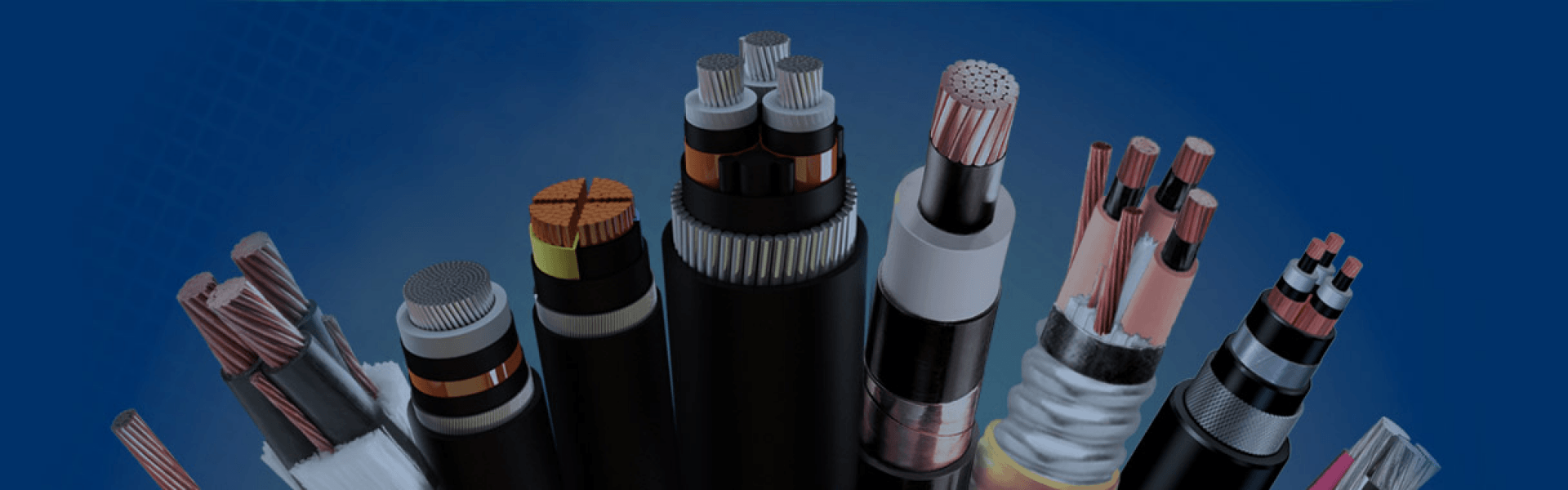
DC Cable
DC cables are designed to transmit direct current (DC) electricity in solar photovoltaic (PV) systems, connecting solar panels to combiner boxes, inverters, and other DC-side equipment. Unlike general-purpose cables, photovoltaic DC cables are designed to withstand outdoor conditions such as UV exposure, moisture, and temperature changes, helping maintain reliable power transmission in solar installations.
At AMG Cable, we offer three main DC cable solutions: TUV H1Z2Z2-K Solar Cable, UL 4703 Solar PV Wire, and DC Cable Harness. These products serve different project requirements, covering photovoltaic cables compliant with European and North American standards, as well as pre-assembled wiring solutions with specified connectors and cable lengths. They are suitable for residential, commercial, industrial, and utility-scale solar power systems.
DC cables must meet the relevant electrical and safety requirements for their intended applications. H1Z2Z2-K Solar Cable is designed according to EN 50618, IEC 62930 covers DC power cables for photovoltaic systems, and UL 4703 specifies requirements for photovoltaic wire. For cable assemblies, connector requirements such as IEC 62852 should also be considered. Buyers should verify the actual product certifications and ratings before selection.
When choosing a DC cable, consider the system voltage, operating current, conductor size, cable length, and installation environment. UV resistance, temperature rating, moisture protection, and connector compatibility are also important for outdoor solar applications. Selecting the right cable helps control voltage drop, maintain reliable connections, and meet project requirements. AMG provides technical specifications and product solutions to help customers find suitable DC cables for their solar projects.
Key Features and Advantages of DC Cable
DC cables for solar photovoltaic systems are designed to provide reliable power transmission under demanding electrical and environmental conditions. With suitable conductor materials, insulation, and protective sheathing, they help maintain stable electrical connections and withstand the challenges of outdoor solar installations. Key features and advantages include:
| Key Features | Description | Benefits for Solar Projects |
| Excellent Electrical Performance | Copper conductors offer good electrical conductivity and low resistance when properly sized. | Help reduce voltage drop, power losses, and unnecessary heat generation. |
| UV Resistance | Specially formulated insulation and sheath materials provide resistance to prolonged sunlight exposure. | Help prevent premature cable deterioration in outdoor PV installations. |
| Weather and Moisture Resistance | Designed to withstand specified environmental conditions, including rain, humidity, and moisture exposure. | Support reliable operation in different outdoor installation environments. |
| Temperature Resistance | Available with defined operating temperature ratings to suit different solar installation conditions. | Help maintain electrical and mechanical performance under temperature variations. |
| Flexibility and Easy Installation | Stranded conductor constructions allow cables to bend and route around solar modules and mounting structures. | Make cable routing, installation, and connections more convenient. |
| Mechanical Durability | Protective insulation and outer sheaths help resist abrasion and mechanical stress during installation and operation. | Protect internal conductors and support reliable electrical connections. |
| Flame Retardant and Halogen-Free Options | Certain PV cable constructions use flame-retardant, halogen-free insulation and sheath materials. | Help meet specific fire safety requirements and reduce harmful halogen acid gas emissions during combustion. |
| Multiple Standards and Ratings | Available in different product designs, voltage ratings, and standards, including EN 50618 and UL 4703. | Allow buyers to select cables according to project specifications and regional requirements. |
| Pre-Assembled Connection Options | DC Cable Harnesses combine specified PV cables with compatible connectors and customized cable lengths. | Reduce on-site cable preparation and simplify repetitive solar panel connections. |
DC Cable
Get A Free Quote
Need Help?
Your Trusted Business Partner for Professional Cable Solutions
/ AMG FAQ /
Frequently Asked Questions
You can identify AC and DC cables by checking their markings, jacket composition, and application standards:
-
Cable Print Legend (Markings): DC solar cables and PV wires are explicitly printed with specific standard codes such as TÜV EN 50618 (H1Z2Z2-K) or UL 4703. AC cables usually reference standard building wire codes like THHN, NYM, or IEC 60227.
-
Insulation Layers: DC cables designed for solar or energy storage are almost always double-insulated (cross-linked polyolefin, XLPO) to handle high-voltage DC stress, whereas standard AC cables often have a single insulation layer with an outer jacket.
-
Color Coding: DC cables are typically printed or color-coded with red (positive) and black (negative) to distinguish polarity. AC cables usually follow phase color conventions (e.g., brown/black/grey for live, blue for neutral, green/yellow for earth).
DC cables can be purchased from professional wire and cable manufacturers, electrical suppliers, and authorized distributors. For solar PV projects, it is important to choose cables designed for photovoltaic applications and suitable for the required voltage, temperature, and outdoor conditions. AMG Cable offers TUV H1Z2Z2-K Solar Cables, UL 4703 Solar PV Wires, and pre-assembled DC Cable Harnesses for different solar installation requirements. Contact us for product specifications, datasheets, and customized solutions.
A typical DC power cable (such as a solar PV wire) features:
-
Conductor: Flexible, multi-strand tinned copper (silver-colored inside rather than bright bare copper) to prevent oxidation.
-
Insulation & Jacket: A smooth, matte-finish black or red outer sheath. It is generally thicker, tougher, and more rigid than standard household wire to withstand outdoor UV exposure and mechanical abrasion.
-
Markings: Clearly embossed or printed text along the outer jacket showing the manufacturer name, conductor size (e.g., $4\text{ mm}^2$ or 10 AWG), voltage rating (e.g., DC 1500V), and safety standards.
Technically yes, but it depends on the voltage and local electrical codes. High-quality DC cables (like TÜV H1Z2Z2-K or UL 4703) have superior insulation, high temperature tolerance, and excellent dielectric strength, meaning they can easily withstand AC voltage. However, they are more expensive than standard AC building wires. Using them for AC is rare and usually unnecessary unless specific outdoor, high-temperature, or chemical-resistance conditions require heavy-duty performance. Always consult local electrical installation codes before substituting wire types.
Yes, DC cables vary based on their regional standards, voltage requirements, and applications:
-
TÜV H1Z2Z2-K (EN 50618): The European and global standard for 1500V DC solar photovoltaic applications.
-
UL 4703 PV Wire: The North American standard designed for high-voltage solar installations, often featuring direct-burial capabilities.
-
Battery Storage / BESS DC Cables: Extra-flexible cables designed for high-current connections between battery racks, inverters, and power conversion systems.
-
DC Cable Harnesses: Pre-terminated and custom-assembled cable solutions integrated with MC4 connectors or lugs for plug-and-play installation.
-
Current (Amperage): The maximum operating current flowing through the circuit.
-
Cable Length: The total distance the current must travel (longer runs require thicker cables to compensate for voltage drop).
-
Allowable Voltage Drop: Industry standards usually recommend keeping the voltage drop below 2% to 3% to maximize system efficiency.
-
Common sizes: Standard residential and small commercial systems frequently use 4 mm2, 6 mm2, or 10 mm2(12 to 10 AWG), while large utility-scale solar farms utilize
heavy-duty cables ranging from 16 mm2 up to 240 mm2.

Have Questions?
Get in Touch with Us.
AMG Cable Group support 24*7 service and technical assistance.
Phone /Whatsapp / Wechat
+86 188 3803 6118Address
High-Tech Industrial Development Zone,Zhengzhou City,Henan Province,ChinaSend Us a Message
Please feel free to leave a message. We will reply in 24 hours.
/ AMG WIRE&CABLE /
Your trusted partner in high- performance wire and cables
Our team stands by 24/7, responding promptly to
inquiries and providing most quotations within 24 hours.