

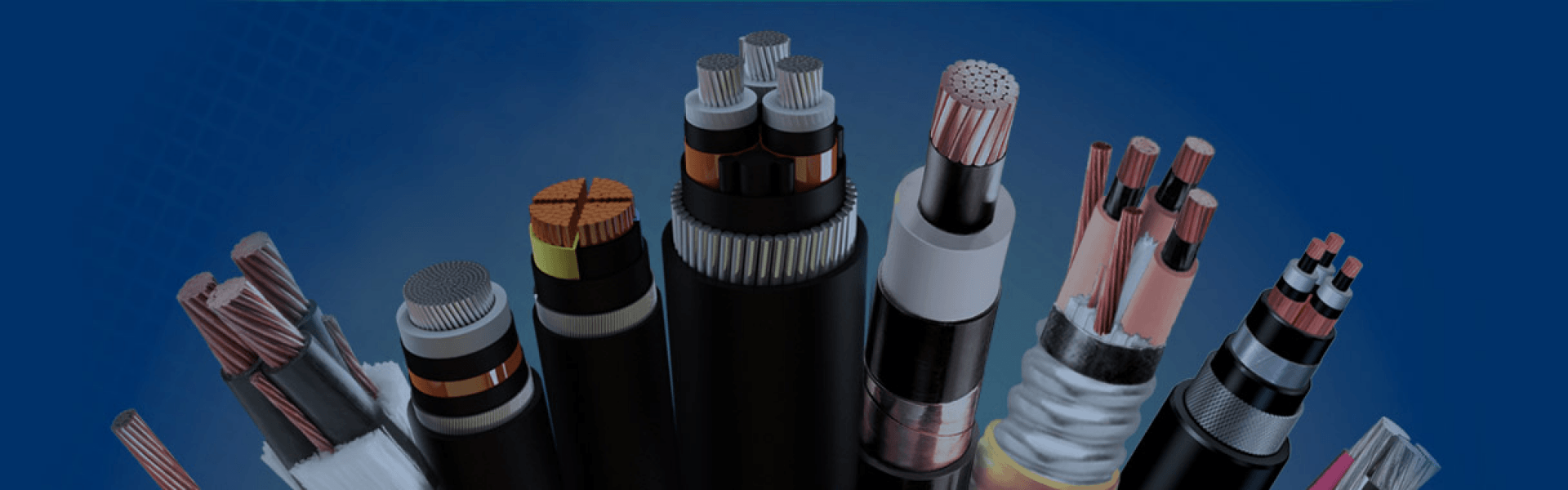
IEC 62067 Cable
IEC 62067 Cable refers to extra high voltage power cable systems designed for transmission networks with rated voltages above 150 kV up to 500 kV. It is defined by the IEC 62067 standard, which specifies the technical requirements, testing procedures, and performance criteria for extruded insulation cable systems and their accessories. This standard is widely applied in modern power grids where high capacity, long-distance transmission, and high operational reliability are required, especially in underground cable systems that serve as alternatives or complements to overhead transmission lines.
In general, IEC 62067 cables are built with extruded XLPE insulation and are mainly designed in a single-core structure. The typical construction includes a copper or aluminum conductor, semiconductive shielding layers, XLPE main insulation, metallic screen, and a durable outer sheath. This structure is designed to ensure stable electric field distribution, strong dielectric performance, and reliable long-term operation under high electrical and mechanical stress conditions.
IEC 62067 cable systems are used in high voltage and extra high voltage transmission projects such as urban underground power networks, large-scale power plants, substation interconnections, and renewable energy evacuation systems. They are especially suitable for projects where overhead lines are not feasible due to space limitations, environmental constraints, or urban infrastructure requirements, providing a reliable solution for modern high-capacity power transmission systems.
Key advantages of IEC 62067 Cable
Deploying an Extra High Voltage (EHV) power network requires a technical standard that guarantees absolute grid stability. Choosing cable systems certified to the IEC 62067 standard provides critical operational and fina
- Integrated System Validation: Unlike lower-voltage standards that test components in isolation, IEC 62067 mandates that the cable, joints, and terminations be qualified together as a single, unified system. Because the vast majority of high-voltage failures occur at connection interfaces, this system-wide approach eliminates compatibility risks before installation.
- Empirical Proof of Decades-Long Lifespan: The standard enforces a rigorous, long-term Prequalification (PQ) test that runs continuously for 1 year (8,760 hours) under strict voltage and thermal cycling. This provides engineers and investors with real-world data proving the entire cable system can withstand decades of grid stress without premature insulation aging.
- Zero-Tolerance Defect Screening: Repairing a buried 220kV or 500kV cable is logistically complex and financially devastating. IEC 62067 protects your investment by requiring 100% factory routine testing on every shipped length—including high-voltage AC tests and highly sensitive Partial Discharge (PD) testing verified at 5 pC or less—ensuring all microscopic manufacturing flaws are caught before the cable leaves the factory.
- Optimized Power Transmission Efficiency: The standard sets strict purity limits for the super-clean XLPE insulation, which drastically reduces dielectric losses and prevents water-treeing. When paired with advanced conductor engineering, this ensures maximum current-carrying capacity, keeping energy dissipation minimal and delivering more power safely to its destination.
- Streamlined Project Approvals and Financing: Because IEC 62067 is the undisputed global benchmark recognized by national grid authorities and international development banks, using certified cables removes technical friction. It speeds up engineering design approvals, reduces project liability insurance costs, and satisfies strict international tender requirements from day one.
IEC 62067 Cable
Get A Free Quote
Need Help?
Your Trusted Business Partner for Professional Cable Solutions
/ AMG FAQ /
Frequently Asked Questions
IEC 62067 defines a comprehensive four-tier testing regime:
- Routine tests – performed on every manufactured cable length and every prefabricated accessory. These include partial discharge testing (5 pC sensitivity in the 2022 edition), voltage testing, and an electrical test on the cable oversheath.
- Sample tests – conducted on a statistical basis to verify production consistency. These cover conductor resistance, insulation and oversheath thickness measurements, hot set test for XLPE insulation, capacitance measurement, lightning impulse voltage test, and water penetration test.
- Type tests – performed to validate the cable system design. These include electrical tests on the complete cable system, thermal cycling, and impulse voltage withstand tests.
- Prequalification test – the industry’s gold standard for proving long-term reliability. A complete cable system (cable, joints, and terminations) is subjected to 1.7 times the rated voltage through at least 180 heating cycles over one full year. This test only needs to be carried out once for a given design, unless there are substantial changes in material, manufacturing process, or design.
The latest version is IEC 62067:2022 (Edition 3.0), published on April 21, 2022.
Key updates in this edition include:
- A new extension to the prequalification test that requires significantly less time to complete than the full test, helping qualified products reach the market faster
- Tighter partial discharge testing requirements on prefabricated accessories: sensitivity improved from 10 pC to 5 pC
The standard is currently stable until 2030. A Redline version (IEC 62067:2022 RLV) is also available, showing all changes from the previous 2011 edition with track changes.
The standard covers single-core cables with extruded insulation (most commonly super-clean or ultra-clean XLPE) along with their joints and terminations. It specifically applies to fixed installations with rated voltages above 150 kV (Um = 170 kV) up to and including 500 kV (Um = 550kV).
Note: It explicitly excludes specialized cable types like submarine cables (which fall under standards like IEC 63026) and transition joints between extruded cables and paper-insulated cables.
IEC 62067 cables are used for high-voltage bulk power transmission in land‑based infrastructure. Specifically, they are designed for fixed installations such as underground ducts, tunnels, trenches, or overhead alternative routes where extruded insulation cables are preferred over traditional overhead lines. These cables carry electricity at the highest voltage levels—above 150 kV up to 500 kV—making them the backbone of national grids, renewable energy connections (offshore wind farms to shore, large solar farms), and urban transmission upgrades where space is constrained and reliability is critical.
The standard covers single‑core cables with extruded insulation (almost always XLPE) and their associated accessories—joints and terminations. It does not apply to submarine cables or transition joints between extruded and paper‑insulated cables.
Selecting the proper cable system depends on balancing your project’s transmission requirements with environmental stresses:
- Voltage Class: Determine if your system requires high-voltage (e.g., 220kV) or extra-high-voltage (e.g., 500kV) thresholds.
- Conductor Sizing & Loss Mitigation: Select the conductor cross-section (typically 400 mm2to 3000 mm2) based on load current. For sizes above 800 mm2, specify a Milliken segmented conductor to minimize energy losses from the skin effect.
- Metallic Sheathing: Choose between a Corrugated Aluminum Sheath (for lightweight applications and high short-circuit capacity) or a Lead Sheath (for maximum chemical protection and absolute waterproofing in water-logged tunnels or trenches).
- System Certification: Ensure the manufacturer can supply verified third-party Type Test and PQ reports showing the cable and accessories were tested together.
When manufactured within strict tolerances and installed according to proper civil engineering guidelines, an IEC 62067 cable system has a designed operational lifespan of 40 to 50+ years.
This longevity relies on maintaining continuous conductor operating temperatures at or below the standard 90°C limit (with short-term emergency conditions allowed up to 105°C for limited durations). Because the entire system must survive the intensive 1-year accelerated aging prequalification test before being approved for a project, these cable systems provide long-term asset predictability and an exceptionally low probability of premature dielectric breakdown.

Have Questions?
Get in Touch with Us.
AMG Cable Group support 24*7 service and technical assistance.
Phone /Whatsapp / Wechat
+86 188 3803 6118Address
High-Tech Industrial Development Zone,Zhengzhou City,Henan Province,ChinaSend Us a Message
Please feel free to leave a message. We will reply in 24 hours.
/ AMG WIRE&CABLE /
Your trusted partner in high- performance wire and cables
Our team stands by 24/7, responding promptly to
inquiries and providing most quotations within 24 hours.