

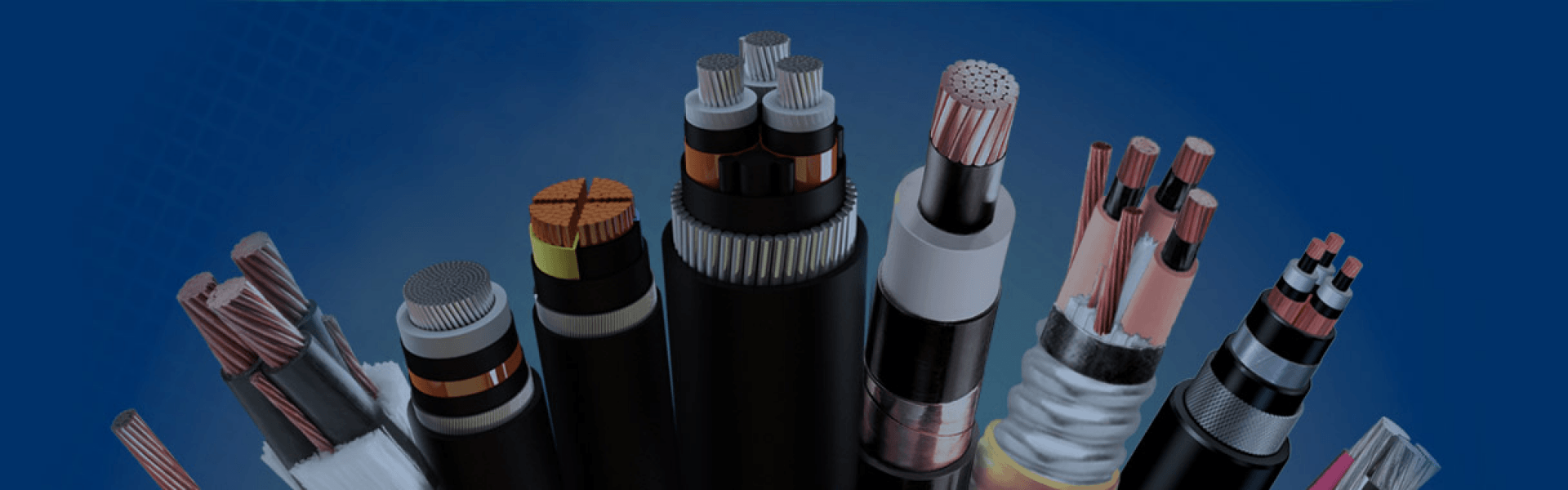
IEC 62930 Cable
We supply IEC 62930 photovoltaic cables designed for reliable use in solar power systems, especially on the DC side of photovoltaic installations. Our products are focused on helping EPC contractors, installers, and distributors get stable, safe, and long-lasting solar wiring solutions that meet international project requirements. In practice, this means providing cables that are not only compliant with IEC standards, but also suitable for real-world outdoor solar environments where durability and electrical stability are critical.
IEC 62930 is a standard for photovoltaic DC cables used in solar energy systems. It defines the technical requirements for cables that operate in low-voltage DC circuits, typically up to 1.5 kV DC. These cables are not AC wiring cables; they are specifically designed for direct current transmission between solar modules, combiner boxes, and inverters. The standard ensures that the cable construction, materials, and performance are suitable for long-term use in photovoltaic applications.
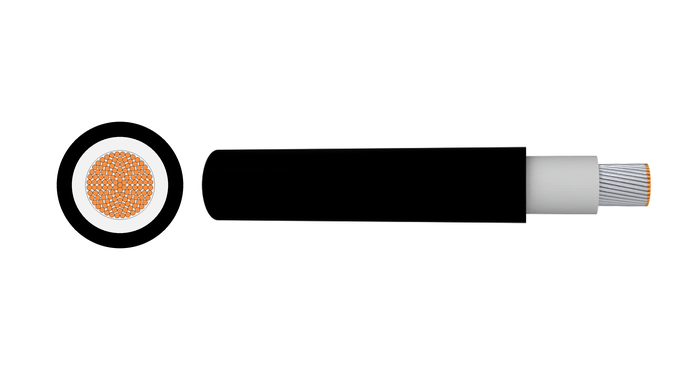
Structurally, IEC 62930 solar cables are usually built with a flexible stranded copper conductor, surrounded by cross-linked insulation and a robust outer sheath. This design allows the cable to maintain good flexibility during installation while also ensuring strong resistance to mechanical stress and environmental exposure. In most cases, the materials are selected to support outdoor installation conditions, including UV radiation, temperature variation, and moisture resistance.
From a performance perspective, IEC 62930 cables are required to maintain stable electrical properties under continuous DC load conditions. They are engineered for high insulation reliability, low electrical loss, and strong resistance to aging caused by sunlight and harsh weather. The standard also sets expectations for thermal performance and material stability, ensuring the cable can operate safely over long service lifetimes in photovoltaic systems.
Overall, IEC 62930 plays an important role in standardizing photovoltaic cable quality across the industry. It helps ensure that solar projects use cables with consistent safety levels, reliable performance, and predictable durability. For buyers and project engineers, it simplifies the selection process by providing a clear technical benchmark, reducing installation risks and supporting long-term system efficiency.
IEC 62930 Quality Assurance & Performance Testing
| Test & Standard | Test Condition & Requirement | Practical Project Benefit |
| Thermal Endurance (IEC 62930) | Oven aging at 120°C for 20,000 hours without degradation. | Mathematically proves a 25-year lifespan at 90°C, preventing insulation cracking in high-heat desert or rooftop environments. |
| UV & Weathering (HD 605/A1) | 720 hours of continuous Xenon Arc UV light and moisture cycling. | Zero surface cracking, guaranteeing the outer jacket won’t degrade or peel under intense, direct equatorial sunlight. |
| Ozone Resistance (IEC 60811-403) | High-concentration ozone chamber exposure under mechanical stress. | Prevents atmospheric ozone from breaking polymer bonds, ensuring structural integrity in high-altitude or industrial locations. |
| Flame Retardancy (IEC 60332-1-2) | Vertical single-cable exposure to direct flame. | Self-extinguishes automatically upon fire removal, preventing localized electrical faults from spreading across the solar array. |
| Low Smoke Density (IEC 61034-2) | Forced combustion test measuring smoke generation. | Minimum 60% light transmittance, ensuring high visibility for maintenance crews and first responders in emergency situations. |
| Halogen-Free LSZH (IEC 60754-2) | Analysis of gases evolved during material burning. | Zero toxic halogen gas (pH ≥ 4.3), protecting expensive central/string inverters from catastrophic acid mist corrosion. |
| Cold Toughness (IEC 60811-504) | Cold bend and impact testing conducted at -40°C. | Outer jacket will not shatter, split, or contract during freezing winter installations or sub-zero regional operations. |
| High-Voltage Safety (IEC 62930) | Water submersion followed by a 6.5 kV DC voltage test for 5 mins. | Zero leakage or dielectric breakdown, guaranteeing maximum safety margins for stable, long-term 1500V DC transmission. |
IEC 62930 Cable
Get A Free Quote
Need Help?
Your Trusted Business Partner for Professional Cable Solutions
/ AMG FAQ /
Frequently Asked Questions
IEC 62930 is the international standard for electric cables for photovoltaic systems with a voltage rating of 1.5 kV DC. It specifies the requirements for single-core, cross-linked insulated power cables with a cross-linked sheath. These cables are specifically designed for use on the direct current (DC) side of photovoltaic (solar) systems, with a rated DC voltage up to and including 1.5 kV between conductors and between conductor and earth.
The scope of IEC 62930 specifically covers electric cables that meet the following criteria:
- Application: Dedicated to the DC side of photovoltaic systems, connecting individual solar modules to each other, to DC combiner boxes, or directly to string/central inverters.
- Voltage Rating: Rated for a nominal voltage of 1.5 kV DC between conductors and between the conductor and earth (with a maximum allowable operating voltage of 1.8 kV DC).
- Cable Construction: Limited to single-core, flexible cables utilizing cross-linked insulation and sheath materials that are strictly low-smoke halogen-free (LSZH).
- Installation Environment: Approved for permanent outdoor and indoor installations, inside conduits, within cable trays, and under standard equipment mounting structures (Safety Class II applications).
The expected service life of an IEC 62930 cable under normal operating conditions is 25 years.
This long lifespan is supported by its robust temperature ratings:
- It is designed to operate safely at a maximum continuous conductor temperature of 90°
- It can withstand temporary peaks of up to 120°C for a total maximum duration of 20,000 hours over its lifetime.
While IEC 62930 and EN 50618 are very similar, there are key differences. The table below summarizes the main distinctions:
| Feature | IEC 62930 | EN 50618 |
| Jurisdiction | International standard, used globally in regions like Asia, the Middle East, and South America. | European standard (CENELEC), mandatory for most PV installations within the European Union. |
| Conductor Size Range | Allows a larger range, from 1.5 to 400 mm². | Stipulates a narrower range, from 1.5 to 240 mm². |
| Material Requirements | Allows the use of materials with or without Low Smoke Halogen-Free (LSHF) properties, including PVC. | Strictly requires Low Smoke Halogen-Free (LSHF) materials. |
| Conductor Types | Allows both Class 2 (solid/stranded for fixed installation) and Class 5 (flexible) conductors. | Primarily focused on Class 5 (flexible) conductors. |
| Current Carrying Capacity | Listed with a reference ambient temperature of 30°C. | Listed with a reference ambient temperature of 60°C. |
In essence: EN 50618 is a more restrictive, Europe-specific standard with a tighter focus on low-smoke, halogen-free materials and a narrower conductor size range. IEC 62930 is its more flexible international counterpart, covering a wider range of conductor sizes and allowing for both halogen-free and halogen-containing materials. Both standards share the same core electrical, thermal, and mechanical performance requirements and both aim for a 25-year service life.

Have Questions?
Get in Touch with Us.
AMG Cable Group support 24*7 service and technical assistance.
Phone /Whatsapp / Wechat
+86 188 3803 6118Address
High-Tech Industrial Development Zone,Zhengzhou City,Henan Province,ChinaSend Us a Message
Please feel free to leave a message. We will reply in 24 hours.
/ AMG WIRE&CABLE /
Your trusted partner in high- performance wire and cables
Our team stands by 24/7, responding promptly to
inquiries and providing most quotations within 24 hours.