

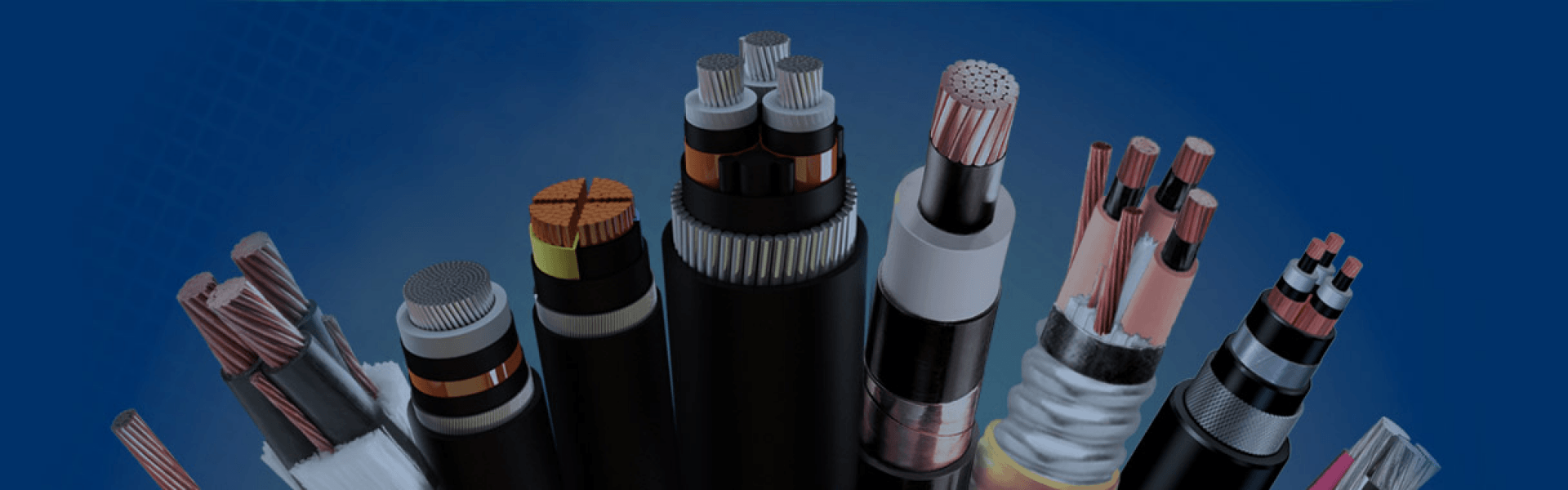
Solar Cable
As a professional solar cable manufacturer and supplier, we provide reliable cable solutions for photovoltaic (PV) systems, including TÜV H1Z2Z2-K solar cables, UL 4703 PV wires, solar extension cables, cable harnesses, and connectors. Our products are widely used in residential, commercial, and utility-scale solar projects, helping customers achieve safe, efficient, and long-lasting power transmission.
Solar cable is a specialized electrical cable designed to carry DC power between solar panels, combiner boxes, inverters, batteries, and other system components. Unlike standard electrical cables, it is engineered to withstand continuous exposure to sunlight, UV radiation, moisture, temperature fluctuations, and other outdoor conditions commonly found in solar installations.
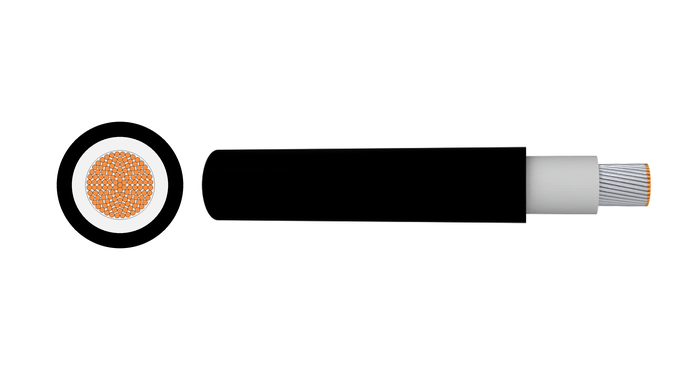
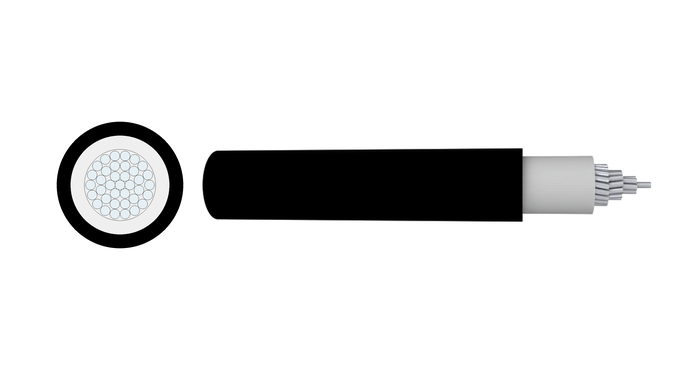
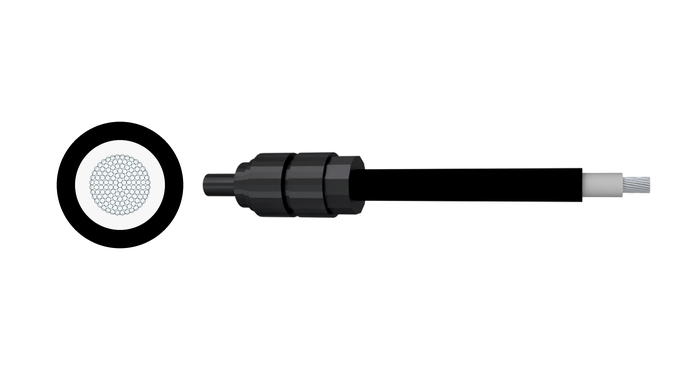
A typical solar cable consists of a flexible copper conductor, durable insulation, and a weather-resistant outer sheath. Depending on the application, different cable types may be used, such as H1Z2Z2-K solar cable for international projects, UL 4703 PV wire for North American markets, extension cables for panel connections, and battery cables for energy storage systems.
High-quality solar cables are designed to deliver long-term durability and dependable electrical performance. Key features typically include UV resistance, weather resistance, flame retardancy, flexibility, moisture protection, low smoke emission, and a service life that matches the expected lifespan of modern solar power systems. These characteristics make solar cables an essential part of ensuring the safety, efficiency, and reliability of photovoltaic and renewable energy projects.
Solar Cable Standards & Certifications
| Standard / Certification | Applicable Products | Description |
| EN 50618 | H1Z2Z2-K Solar Cable | European standard developed specifically for photovoltaic cables. It defines requirements for conductor construction, insulation materials, UV resistance, weather resistance, mechanical strength, and long-term outdoor performance in solar power systems. |
| IEC 62930 | Solar Cable | International standard for photovoltaic cables used in solar energy installations worldwide. It covers electrical performance, insulation properties, temperature resistance, durability, and safety requirements for DC solar applications. |
| TÜV Certification | H1Z2Z2-K Solar Cable | Independent third-party certification confirming compliance with recognized solar cable standards. TÜV approval provides additional assurance of product quality, safety, reliability, and long-term performance in demanding outdoor environments. |
| UL 4703 | Solar PV Wire | The primary North American standard for photovoltaic wire. It specifies requirements for sunlight resistance, wet-location performance, flame resistance, and electrical safety for solar installations in the United States and Canada. |
| RoHS Compliance | Solar Cable & Accessories | Restricts the use of hazardous substances such as lead, mercury, cadmium, and other regulated materials. RoHS compliance helps ensure environmentally responsible manufacturing and easier access to global markets. |
| REACH Compliance | Solar Cable & Accessories | European regulation governing the safe use of chemical substances in manufactured products. REACH compliance demonstrates that materials used in the cable meet environmental and human health requirements. |
Solar Cable
Get A Free Quote
Need Help?
Your Trusted Business Partner for Professional Cable Solutions
/ AMG FAQ /
Frequently Asked Questions
- By Voltage – Match cable rating to system voltage. For 1500V DC systems, use TUV H1Z2Z2‑K (1800V max) or UL 4703 (1000V/2000V). Never undersize.
- By Current – Calculate max current (Isc × 25 × 1.25). Select conductor cross‑section (4mm², 6mm², 10mm², etc.) from ampacity tables. Bigger current = thicker cable.
- By Installation Environment – Outdoor exposed? Need UV resistance and moisture rating. Direct burial? Choose cable rated for earth contact (UL 4703 or H1Z2Z2‑K with burial approval). In conduit? Standard PV wire works but check fill limits.
- By Certification Requirements – North America: UL 4703 PV Wire. Europe & most other markets: TUV H1Z2Z2‑K (EN 50618) or IEC 62930. No exceptions – inspectors check this first.
- By Cable Length – Longer runs cause voltage drop. Keep drop ≤2–3%.For distances beyond 30m (100ft), select a wire one or two sizes up from the ampacity table’s suggestion.
- By Temperature Conditions – Check ambient range.Typical solar cable operates from -40°C up to +90° On very hot rooftops (peak summer conditions), check that the conductor is rated for 105°C or 120°C. Cold climates need flexible insulation even at -40°C.
Choose the cable that satisfies all these factors – not just one.
Most solar connectors (MC4 compatible) follow the same basic steps:
- Strip the cable to the length specified by the connector manufacturer (usually 8–10 mm of copper).
- Insert the stripped conductor into the metal contact and crimp firmly with the correct die.
- Push the crimped contact into the connector housing until you hear a click.
- Tighten the strain relief / cable gland to secure the cable.
- For the mating connector, repeat the process, then click the two halves together.
Always use the manufacturer’s dedicated assembly tool — cheap pliers damage contacts. And never connect two different brands of connectors unless they are explicitly cross‑
Connecting solar cables relies on plug-and-play architecture configured to meet your voltage and current targets:
- Series Connection (Boosts Voltage): Plug the positive (male) connector of one solar panel directly into the negative (female) connector of the adjacent panel. This builds up string voltage while keeping current identical.
- Parallel Connection (Boosts Current): Connect the positive leads of multiple strings together and the negative leads together using Y-branch connectors, or route all home-run lines into a centralized solar combiner box.
- Wire Management: Secure all connections neatly along the mounting rails using UV-resistant cable clips or outdoor-rated ties. Never leave connectors resting on the ground or dangling where wind friction can damage them.
Conduit requirements depend entirely on physical exposure and local building codes:
- No Conduit Needed: When cables are tucked safely underneath solar modules, secured firmly to the aluminum racking, and completely out of reach of accidental contact.
- Conduit Mandatory: When cables run along open roof surfaces where workers walk, down outer walls where landscaping equipment or rodents pose a threat, or when passing inside a building to reach an electrical panel.
- Underground Runs: Standard solar wire requires conduit below ground unless it carries an explicit Direct Burial certification.
Solar cables serve as the durable electrical veins across diverse renewable energy infrastructures, specifically engineered for six primary application environments:
- Residential & Commercial Rooftops: They connect panel strings tightly along the racking, routing high-voltage DC power safely down to string inverters while enduring harsh rooftop heat and building vibrations.
- Utility-Scale Solar Farms: Deployed in massive ground-mount grids, thousands of meters of thick home-run cables route massive currents from combiner boxes to central inverters, frequently utilizing direct-burial methods in underground trenches.
- Floating Solar Projects: Installed on reservoirs or coastal waters, these cables feature specialized water-submersion jackets (like AD8 ratings) to handle constant wave motion, high humidity, and potential water contact.
- Battery Energy Storage Systems (BESS) & Off-Grid Setups: heavy‑duty, large‑gauge flexible cables connect solar arrays directly to charge controllers, inverters, and robust battery banks – enabling smooth power storage.
Across all these deployment scenarios, high-quality solar cables prevent insulation degradation, minimize voltage drop, and eliminate fire risks over a 25-year operational lifespan.
Finding the right solar cable ensures your photovoltaic system runs safely and efficiently. Here are the best places to source them:
- Specialized Manufacturers: Buying directly from dedicated brands guarantees compliance with strict industry standards. For instance, AMG Cable offers high-quality, weather-resistant solar cables engineered for long-term outdoor durability and optimal energy transmission.
- Electrical Supply Houses: To satisfy the volume demands of mid-to-large commercial jobs, procurement teams frequently rely on local electrical merchants or top-tier international suppliers. These entities maintain deep bulk reserves of compliant photovoltaic wiring ready for immediate site delivery.
- Online B2B & Retail Marketplaces: While digital retail networks are highly accessible for emergency fixes or residential solar installations, they require extra caution. Always verify that the merchant provides fully traceable testing paperwork before finalizing bulk or retail orders.
Quick Tip: Always verify that the cables carry TUV, UL, or EN certifications to ensure they can withstand harsh UV rays, ozone, and extreme temperatures over a 25-year lifespan.
Burial depths are strictly regulated by regional safety codes (e.g., NEC Article 300). Use this quick-reference chart for planning trenches:
| Wiring Method / Conduit Type | Minimum Burial Depth |
| Direct Burial PV Wire (No Conduit Used) | 24 inches (600 mm) |
| Rigid Metal Conduit (RMC) or Intermediate Metal Conduit (IMC) | 6 inches (150 mm) |
| Schedule 40 / Schedule 80 PVC Conduit | 18 inches (450 mm) |
Yes, very much. Longer cables cause voltage drop (energy loss) and can increase the risk of DC arc faults. Voltage drop should be kept below 2–3% from the panel to the inverter. For a given conductor size, doubling the length doubles the voltage drop.For longer distances, choose a larger conductor – for example, move from 6mm² up to 10mm², or from 10 AWG to 8 AWG. Also, long DC cable runs require proper overcurrent protection and may need larger conduit due to heat dissipation.
Sizing an industrial solar cable requires a structured 3-step check:
- Calculate Maximum Current (Inmp): Take the short-circuit current (Ise) from your solar pane
datasheet and multiply it by a 1.25 safety margin to account for exxtreme atmospheric - Verify Distance for Voltage Drop: Measure the entire length of the cable run from the furthest string to the connection terminal. Use a voltage drop calculator to ensure your selected thickness keeps energy loss under 2%.
- Select the Cross-Section: Match your results against standard industry wire gauges. For standard commercial strings, 4mm² (12 AWG) or 6mm² (10 AWG) are the default choices.
A 100-watt solar panel operates at a relatively low power output, typically generating between 5 and 6 Amps of current.
For short-distance mobile applications, RV setups, or small rooftop installations under 15 feet, a standard 12 AWG (4mm²) solar wire is ideal. While a thinner wire might technically support 6 Amps without melting, using a standard 12 AWG or 10 AWG wire ensures excellent mechanical strength against wind loading, prevents voltage drop, and matches standard pre-assembled MC4 connectors perfectly.
Yes, double insulation is a mandatory safety requirement for solar cables. Photovoltaic systems run at high DC voltages (up to 1500V) and lack traditional automated circuit breakers right at the panel source to shut down power instantly if a fault occurs.
To mitigate fire risks, a true solar cable features an inner core insulation layer wrapped inside a separate, rugged outer protective jacket. This dual-layer setup ensures that if the outer jacket gets scuffed against sharp aluminum rails during a rough installation, the inner layer keeps the high-voltage electricity contained, preventing dangerous ground faults and arc fires.

Have Questions?
Get in Touch with Us.
AMG Cable Group support 24*7 service and technical assistance.
Phone /Whatsapp / Wechat
+86 188 3803 6118Address
High-Tech Industrial Development Zone,Zhengzhou City,Henan Province,ChinaSend Us a Message
Please feel free to leave a message. We will reply in 24 hours.
/ AMG WIRE&CABLE /
Your trusted partner in high- performance wire and cables
Our team stands by 24/7, responding promptly to
inquiries and providing most quotations within 24 hours.