

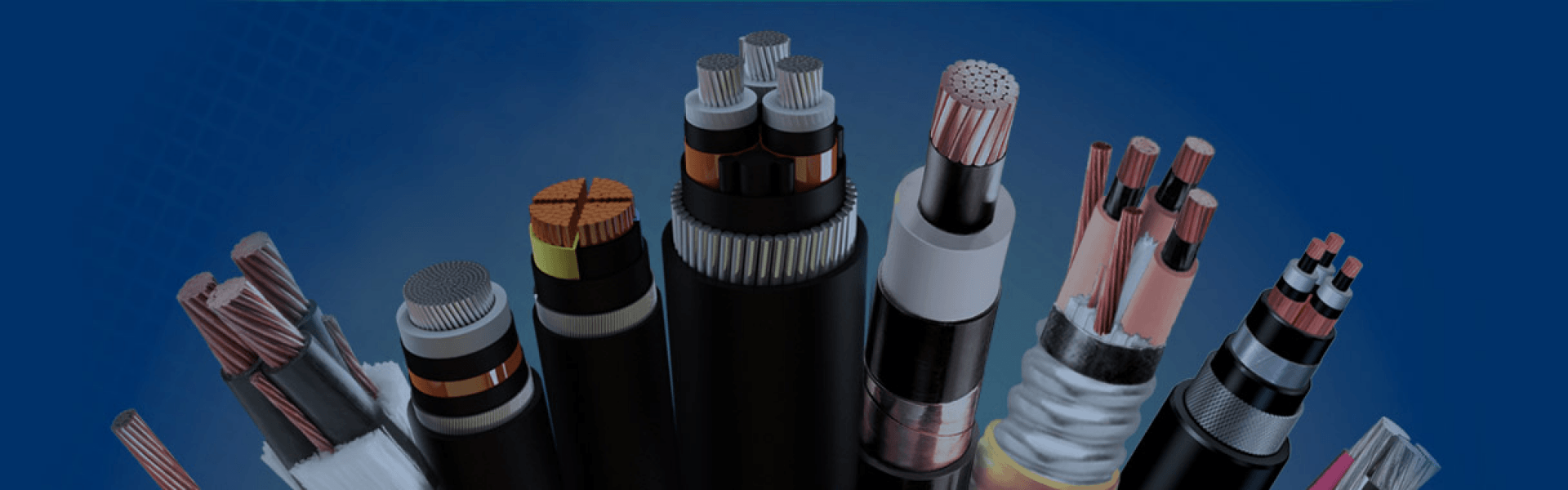
Marine Cable
We supply a wide range of marine cables designed for reliable power, control, and communication performance in demanding shipboard and offshore environments. Our marine cable products are widely used in commercial ships, offshore platforms, marine electrical systems, engine rooms, navigation equipment, marine battery systems, and emergency safety circuits where long-term operational reliability is critical. From standard ship wiring cables to armored, shielded, fire resistant, and low smoke halogen free marine cables, we provide cable solutions suitable for different installation conditions and international marine standards such as IEC 60092.
Marine cable is a specialized type of electrical cable developed specifically for maritime applications where ordinary industrial cables may not provide sufficient durability or safety performance. Marine environments expose cables to constant salt mist, high humidity, vibration, oil contamination, mechanical stress, and temperature changes that can quickly damage standard wiring systems. In ships and offshore facilities, cable failure may affect power distribution, communication systems, navigation equipment, or emergency operations, so cable reliability becomes an important part of overall vessel safety.
To perform reliably under these harsh conditions, marine cables are manufactured using specialized materials and reinforced cable structures. Tinned copper conductors are commonly used to improve corrosion resistance in humid and saltwater environments. XLPE, EPR, and other marine-grade insulation materials help maintain stable electrical performance while providing resistance to heat, moisture, and aging. Many marine cables also include shielding layers for electromagnetic interference protection, armored constructions for additional mechanical strength, and low smoke halogen free sheaths to improve fire safety and reduce toxic gas emission during emergencies. These structural features help marine cables maintain stable performance during long-term operation in difficult marine and offshore environments.
Marine Cable Types at a Glance
| Marine Cable Type | Description | Typical Applications |
| Marine Power Cable | Carries main power and lighting loads. Built for wet, oily, and high-vibration areas. | Switchboards, lighting panels, generators, deck machinery, accommodation circuits |
| Marine Control Cable | Transmits low-voltage control signals. Shielded against electromagnetic interference. | Engine control rooms, motor starters, valve actuators, alarm panels, winch controls |
| Marine Instrumentation Cable | Carries weak sensor signals with high noise immunity to protect measurement accuracy. | Temperature and pressure sensors, tank monitoring, flow meters, engine monitoring |
| Marine Communication & Data Cable | Supports voice, data, and network signals in electrically noisy shipboard spaces. | Telephone, public address, intercom, Ethernet, navigation data links |
| Marine VFD Cable | Purpose-made for variable frequency drives. Handles high-frequency pulses and prevents interference. | Thruster motors, HVAC drives, pump and fan speed controls, crane systems |
| Marine Fire-Resistant Cable | Maintains circuit integrity under fire, keeping safety systems online during emergencies. | Emergency lighting, fire pumps, sprinkler circuits, emergency generators, evacuation systems |
Key Marine Cable Standards
- IEC 60092 — The core international standard for shipboard and offshore electrical installations. Covers construction, flame retardance, and halogen-free testing for power, control, and instrumentation cables.
- NEK 606 — Norwegian offshore standard with a clear material code system. Widely required for North Sea projects; quickly identifies halogen-free, mud-resistant, or high-fire-performance cables.
- BS 6883 — British standard for offshore marine power, control, and instrumentation cables. Emphasizes fire resistance, oil resistance, and mechanical toughness.
- BS 7917 — Specifically for fire-resistant cables on ships and offshore structures. Ensures circuit integrity for emergency lighting, fire pumps, and alarm systems.
- UL 1309 — U.S. standard for marine shipboard cable up to 2 kV. Covers flame retardance and oil resistance for power and control applications on U.S.-flagged vessels.
- IEEE 1580 — International standard for commercial marine cable up to 1 kV. Aligns closely with IEC 60092 and provides a recognized reference for shipbuilders and repair yards.
- DNV Type Approval — Independent verification that a cable meets applicable standards for use on DNV-classed vessels. Simplifies compliance without reviewing individual test reports.
Marine Cable
Get A Free Quote
Need Help?
Your Trusted Business Partner for Professional Cable Solutions
/ AMG FAQ /
Frequently Asked Questions
Yes, there is a massive difference. While standard industrial cables work fine in dry, land-based structures, they will quickly fail at sea. The three major differences are:
- Corrosion Resistance: Marine cables use tinned copper strands to prevent oxidation from salty air, whereas regular cables use bare copper, which quickly rusts and turns green.
- Flexibility: Marine wires are built with hundreds of microscopic, finely stranded conductors. This allows them to withstand constant hull vibrations and tight bending without snapping. Regular cables have fewer, thicker wires that crack under constant vibration.
- Specialized Jacketing: Marine jackets are chemically formulated to resist saltwater, UV rays, oil, and fuel, and they are built with flame-retardant, low-smoke materials for fire safety.
Absolutely. The upfront cost difference is small when you consider what is at stake. Marine-grade cable prevents corrosion failures, reduces fire hazards, and keeps critical systems running in an emergency. If a substandard cable fails at sea, the cost of tracing the fault, replacing the cable, and dealing with downtime can be enormous — not to mention the safety risk to crew and passengers. For any vessel that must meet classification society or insurance requirements, the right cable is not optional; it is a compliance issue. Viewed over the life of the boat or ship, marine cable is one of the most cost-effective safety investments you can make.
There is no single “best” cable for every job, but the best choice is always a cable that meets the relevant international standard for your application. For most commercial and offshore vessels, that means cable manufactured to IEC 60092. Within that framework, the ideal cable depends on where and how it will be used. Power circuits need robust, high-current cable; control and instrumentation runs need shielded cable to protect signals. For enclosed or fire-critical areas, halogen-free and fire-resistant constructions are essential. The best practice is to match the cable type, voltage rating, and flame-retardant properties to the specific onboard system and its operating environment.
For a standard 12 AWG (American Wire Gauge) marine cable rated at 105°C (221°F), the maximum current capacity (ampacity) depends on where it is installed based on standard marine safety guidelines (such as ABYC):
- Outside the Engine Room: Up to 45 Amps maximum.
- Inside the Engine Room: Up to 38.2 Amps maximum (reduced by 15% because ambient engine room temperatures are much higher, usually around 50°C).
Note: This is the maximum capacity to prevent the wire from melting. For long cable runs, you must calculate the size based on voltage drop to ensure your electronics receive proper power.
Tinned marine cable has a thin layer of tin coating on each individual copper strand. This is far more than a cosmetic treatment: the tin acts as a barrier against moisture, salt, and corrosive fumes, which would rapidly attack bare copper in a marine atmosphere. Tinned conductors last longer, maintain low electrical resistance over time, and are much less likely to develop black corrosion creeping under the insulation. For any wiring exposed to bilge areas, decks, or unsealed compartments, tinned copper is the standard recommendation.
Start by defining three things: the application, the environment, and the electrical requirements. First, decide whether you need power, control, instrumentation, communication, or VFD cable. Next, look at where the cable will be installed — is it an engine room with oil and heat? A public area where fire safety is paramount? A cable run near radio or radar equipment? This tells you whether you need an armored, shielded, or fire-resistant version. Finally, determine the voltage rating and conductor size based on the load current and cable length. The cable’s model name often encodes key features: for example, “H” indicates halogen-free, “C” indicates a braided shield or armor. When in doubt, work from a selection chart or ask the manufacturer’s technical team to help you narrow the choices.
Determining the correct marine cable size requires looking at two crucial factors: Ampacity and Voltage Drop.
- Find the Amperage: Check the device’s manual to see how many amps it draws continuously. The wire size must have a maximum amp rating higher than this number.
- Measure the Length: Calculate the total length of the wire run from the power source to the equipment and back again (the complete circuit loop).
- Choose Your Acceptable Voltage Drop:
- 3% Drop: For critical equipment (navigation, radio, bilge pumps, electronics).
- 10% Drop: For general equipment (cabin lighting, fans, general appliances).
- Use a Marine Sizing Chart: Cross-reference your total amperage and circuit length on a standard maritime wire gauge chart (ABYC or IEC standards) to find the safe size.
Where you buy marine cables depends entirely on the scale of your maritime project:
- For Commercial Shipyards, Contractors, and OEMs: For large-scale builds, refits, or offshore engineering, sourcing directly from a specialized factory supplier is highly recommended. This ensures you receive competitive wholesale pricing, strict batch traceability, and required classification society type approvals (such as DNV, ABS, or CCS). For commercial-grade B2B projects, AMG Cable is a premier choice. We manufacture fully compliant IEC 60092 marine power, control, and shielded instrumentation cables, offering reliable worldwide shipping and factory-direct technical support to streamline your procurement process.
- For Minor Repairs and Recreational Boat DIYers: If you are servicing a private yacht or need a quick replacement, local marine hardware shops, regional distributors, or retail online marine chandleries are your best option for purchasing cable by the foot or roll.

Have Questions?
Get in Touch with Us.
AMG Cable Group support 24*7 service and technical assistance.
Phone /Whatsapp / Wechat
+86 188 3803 6118Address
High-Tech Industrial Development Zone,Zhengzhou City,Henan Province,ChinaSend Us a Message
Please feel free to leave a message. We will reply in 24 hours.
/ AMG WIRE&CABLE /
Your trusted partner in high- performance wire and cables
Our team stands by 24/7, responding promptly to
inquiries and providing most quotations within 24 hours.