

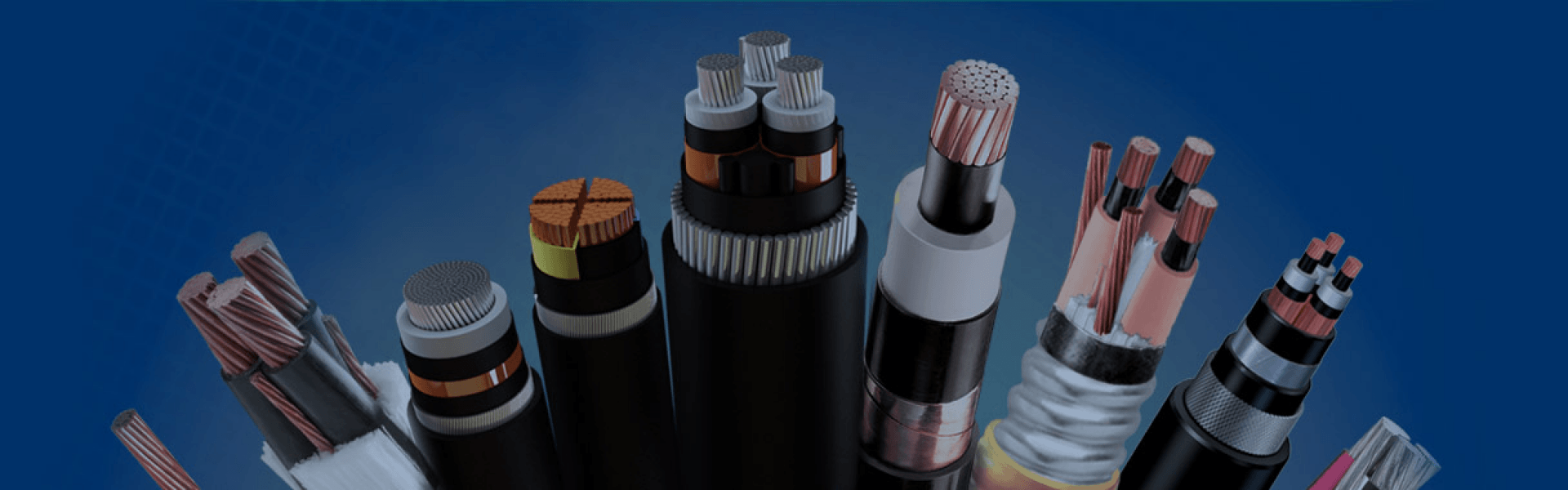
UL Listed Cable
UL Listed Cable refers to electrical cables that have been tested and evaluated by UL (Underwriters Laboratories) to ensure they meet specific safety and performance requirements. It is not a single cable type, but a broad category covering different cables designed for building wiring, industrial power distribution, renewable energy systems, and other electrical applications.
Each UL Listed Cable type is manufactured and tested according to its applicable UL standard, which defines requirements for cable construction, electrical performance, temperature rating, fire safety, and environmental resistance. Common UL Listed cables include THHN/THWN wires, XHHW/XHHW-2 cables, Metal Clad (MC) cables, Service Entrance (SER/SEU) cables, Tray Cables, USE-2 cables, and UL 4703 Solar PV Wire.
The core purpose of UL Listed Cable is to provide safe, reliable, and code-compliant electrical connections. Through UL testing and certification, these cables are verified for critical factors such as conductor performance, insulation durability, flame resistance, moisture protection, and suitability for specific installation environments.
For customers sourcing cables for the North American market, UL Listing provides confidence that the products meet recognized safety requirements and can support compliance with electrical installation codes such as the National Electrical Code (NEC). Whether used in commercial buildings, industrial facilities, power systems, or solar projects, UL Listed Cables help reduce installation risks and ensure long-term electrical reliability.
With a wide range of UL Listed cable solutions available, customers can select the right cable type based on voltage requirements, installation conditions, environmental exposure, and application needs.
What Does UL Listed Certification Verify?
The core purpose of UL Listed Certification is to ensure that electrical cables are safe, reliable, and suitable for their intended applications. Through a complete evaluation process, UL verifies key safety factors including electrical performance, material quality, fire resistance, and environmental durability.
The specific requirements may vary depending on the cable type and applicable UL standard, but UL Listed Cable certification generally focuses on the following core safety indicators:
| Core Safety Indicator | What UL Evaluates | Benefits for Cable Users |
| Electrical Performance | Conductor size, current-carrying capacity, voltage rating, insulation resistance, and dielectric strength | Ensures the cable can safely transmit power under rated operating conditions and reduces risks of electrical failure |
| Insulation Safety | Insulation material, thickness, durability, and resistance to electrical breakdown | Helps prevent short circuits, leakage, and insulation aging during long-term operation |
| Temperature Performance | Maximum allowable operating temperature under dry, wet, or specific installation conditions | Ensures stable performance under continuous load and high-temperature environments |
| Flame Resistance & Fire Safety | Flame propagation, combustion behavior, and fire-resistant characteristics | Reduces fire hazards and helps cables meet building and electrical safety requirements |
| Mechanical Strength | Cable construction, armor protection, impact resistance, and installation durability | Protects cables from damage during installation and operation, especially in industrial environments |
| Environmental Resistance | Resistance to moisture, sunlight, oil, chemicals, and outdoor exposure | Allows cables to maintain reliable performance in different installation conditions |
| Material and Construction Quality | Conductor materials, insulation systems, jackets, shielding, and overall cable design | Ensures consistent product quality and suitability for specific applications |
| Marking and Traceability | Cable identification, ratings, manufacturer information, and certification markings | Helps installers, inspectors, and engineers select and verify the correct cable type |
UL Listed Cable
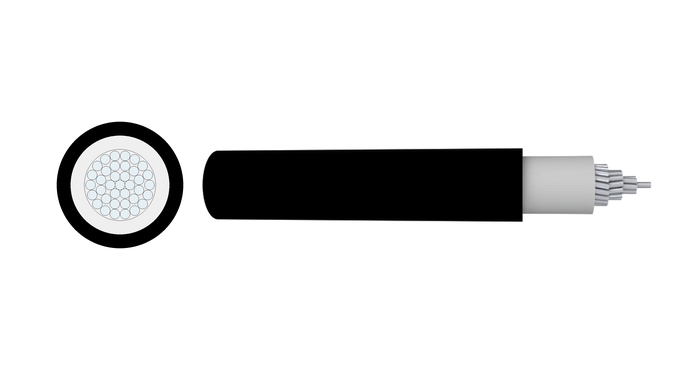
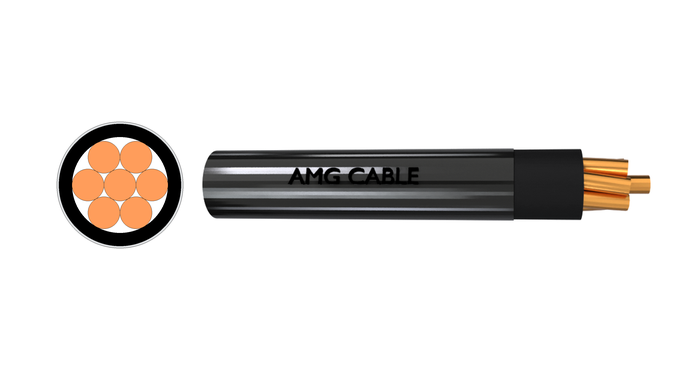
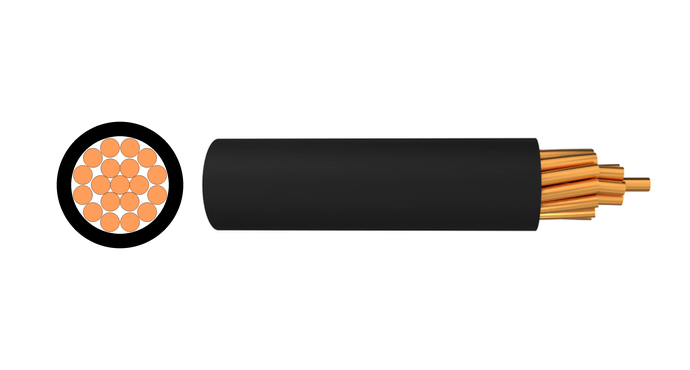
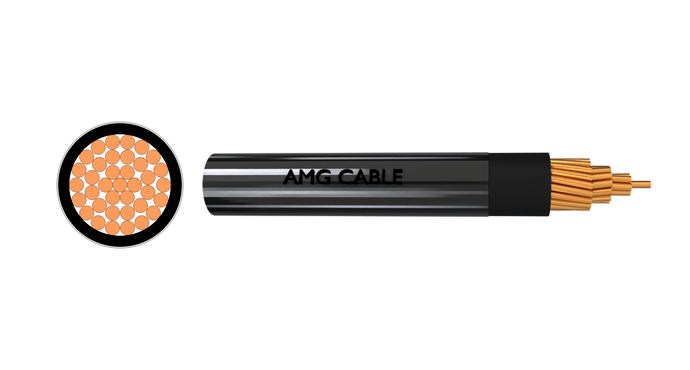
Get A Free Quote
Need Help?
Your Trusted Business Partner for Professional Cable Solutions
/ AMG FAQ /
Frequently Asked Questions
The main difference between UL Listed Cable and non-UL cable is whether the product has been independently tested and verified according to applicable UL safety standards.
| UL Listed Cable | Non-UL Cable |
| Tested and evaluated by UL according to specific safety standards | Usually manufactured without UL certification or third-party UL evaluation |
| Must meet requirements for electrical performance, insulation, fire safety, and environmental conditions | Quality and performance depend mainly on the manufacturer’s own standards |
| Clearly marked with UL identification and applicable ratings | May not have recognized certification markings |
| Commonly required for electrical projects in the U.S. and Canada | May not be accepted for certain regulated installations |
| Provides better assurance for code compliance and project approval | May require additional verification before use |
UL Listed does not automatically mean every cable is identical in quality, but it indicates that the product has passed defined safety evaluations for its intended application.
There is no single UL standard that covers all cables. Different cable types are evaluated according to different UL standards based on their construction, application, and installation environment.
Common UL cable standards include:
| UL Standard | Applicable Cable Types | Main Purpose |
| UL 83 | THHN, THWN wires | Requirements for thermoplastic insulated building wires |
| UL 44 | XHHW, XHHW-2, RHW wires | Requirements for thermoset insulated wires |
| UL 1569 | Metal Clad (MC) Cable | Requirements for armored electrical cables |
| UL 854 | SER, SEU, USE cables | Requirements for service entrance cables |
| UL 1277 | TC and TC-ER Tray Cables | Requirements for industrial power and control tray cables |
| UL 4703 | Solar PV Wire | Requirements for photovoltaic wire used in solar systems |
The applicable UL standard defines requirements such as conductor construction, insulation materials, voltage rating, temperature rating, flame resistance, and environmental performance.
Yes, UL Listed means the cable has been evaluated to meet specific UL safety requirements for its intended use.
During UL evaluation, cables are tested for important safety factors, including:
- Electrical insulation performance
- Voltage and temperature ratings
- Fire resistance characteristics
- Material and construction quality
- Resistance to moisture, sunlight, or other environmental conditions when required
However, UL Listed does not mean a cable can be used anywhere. Each UL Listed cable has specific ratings and application limitations. For example:
- THHN is designed mainly for building wiring in conduit systems.
- USE-2 is designed for underground and outdoor service applications.
- UL 4703 PV Wire is designed for solar photovoltaic systems.
Choosing the correct UL Listed cable type for the installation environment is essential for safe operation.
Yes, UL Listed is widely recognized as a reliable indicator of cable safety and compliance, especially in the U.S. and Canadian markets.
For engineers, contractors, and buyers, UL Listing provides several advantages:
- Improved safety confidence:Products have passed independent safety evaluations.
- Easier project approval:UL Listed cables are commonly accepted in electrical installations that follow NEC requirements.
- Reliable performance:Cables are verified for specific operating conditions, including voltage, temperature, and environment.
- Better market acceptance:Many commercial, industrial, and infrastructure projects require UL Listed products.
For applications such as buildings, industrial facilities, renewable energy systems, and power distribution projects, selecting UL Listed Cable helps ensure the cable is suitable for the required installation conditions and regulatory expectations.

Have Questions?
Get in Touch with Us.
AMG Cable Group support 24*7 service and technical assistance.
Phone /Whatsapp / Wechat
+86 188 3803 6118Address
High-Tech Industrial Development Zone,Zhengzhou City,Henan Province,ChinaSend Us a Message
Please feel free to leave a message. We will reply in 24 hours.
/ AMG WIRE&CABLE /
Your trusted partner in high- performance wire and cables
Our team stands by 24/7, responding promptly to
inquiries and providing most quotations within 24 hours.