

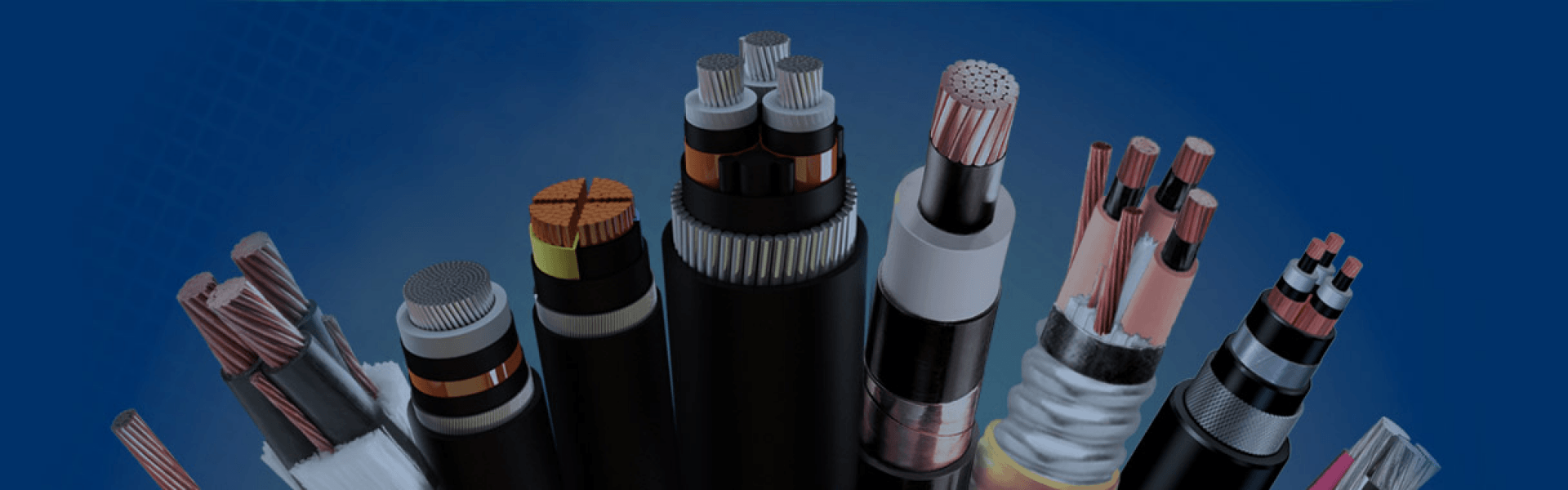
Rubber Cable
As a professional supplier of rubber cable solutions, we provide a complete range of flexible power and control cables designed for demanding industrial, commercial, and infrastructure applications. Whether you need cables for construction equipment, welding machines, submersible pumps, marine installations, or mobile industrial machinery, our rubber cable products are engineered to deliver reliable electrical performance, long service life, and dependable operation in challenging environments.
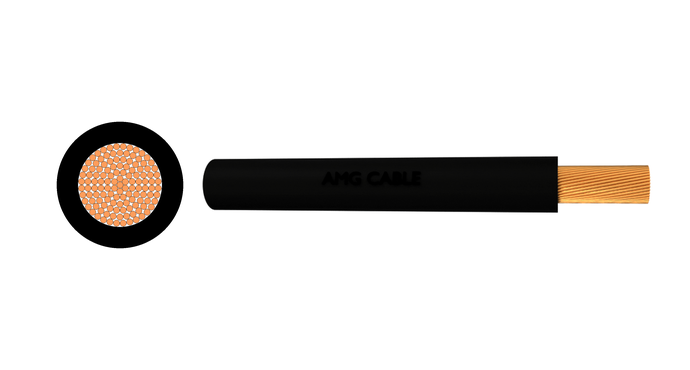
Rubber cable is a flexible electrical cable that uses rubber-based insulation and sheath materials to protect conductors from mechanical stress and environmental exposure. Its robust construction typically consists of finely stranded copper conductors, high-quality rubber insulation, and a durable outer sheath that helps the cable withstand bending, twisting, vibration, abrasion, moisture, oils, and outdoor conditions. This combination of flexibility and durability makes rubber cable a trusted choice for applications where cables are frequently moved or exposed to harsh working environments.
One of the most important advantages of rubber cable is its ability to maintain flexibility and performance under demanding operating conditions. Many rubber cable designs offer excellent resistance to mechanical impact, weathering, water ingress, UV exposure, and industrial chemicals. Depending on the cable type, they can also provide flame-retardant properties and reliable operation across a wide temperature range, helping reduce maintenance requirements and improve operational safety.
Rubber cables are widely used across industries such as construction, mining, manufacturing, marine, agriculture, energy, and water treatment. Typical applications include portable tools, generators, welding equipment, cranes, hoists, temporary power systems, submersible pumps, and industrial machinery. Their versatility allows them to support both fixed installations and mobile equipment where durability and flexibility are equally important.
Our Rubber Cable Product Range
| Cable Model / Type | Technical Product Description | Typical Industrial Applications |
| H07RN-F (Heavy-Duty European Cable) | Heavy-duty harmonized cable (450/750V). Robust, oil-resistant, and abrasion-proof jacket for high mechanical stress. | Heavy machinery, conveyor systems, cranes, and construction site power distribution. |
| H05RN-F (Medium-Duty European Cord) | Medium-duty harmonized cord (300/500V). Highly flexible, designed for light to moderate mechanical strain. | Handheld power tools, workshop appliances, and light industrial equipment. |
| H07RN8-F (Submersible European Cable) | Waterproof harmonized cable (450/750V). Certified for continuous submersion down to 10 meters. | Submersible pumps, water treatment plants, and deep-well drainage systems. |
| 0361TQ Cable (British Standard Line) | Built to BS 638 standard. Features a premium HOFR (Heat/Oil Resistant, Flame Retardant) rubber sheath. | High-current welding networks, localized factory distribution, and metal fabrication. |
| Silicon Rubber Cable (High-Temperature Series) | Ultra-flexible series operating from -60℃ to +180℃. High thermal stability and halogen-free. | Steel mills, glass factories, commercial kilns, and high-temp internal machinery. |
| Submersible Pump Cable (Deep-Well Heavy Duty) | Heavy-duty flat/round cable with water-blocking properties to resist high water pressure and long-term immersion. | Deep-well water extraction, agricultural irrigation, and mining dewatering pumps. |
| Welding Cable H01N2-D & H01N2-E | Compliant with EN 50525-2-81. Resists slag and tearing. H01N2-E offers extra fine-stranding for maximum flexibility. | Arc-welding secondary side connections, manual welding clamps, and robotic welding lines. |
| Portable Arc-Welding Cable (Rugged Field Cable) | Mobile welding line with a rugged, tear-resistant rubber jacket. Built for harsh ground handling and grease exposure. | Shipyard assembly, pipeline construction welding, and outdoor infrastructure repairs. |
Rubber Cable
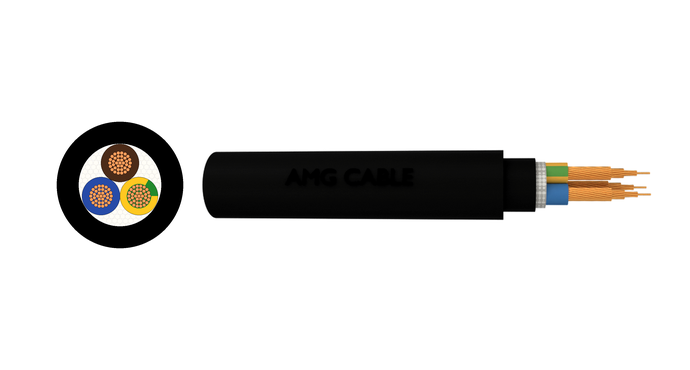
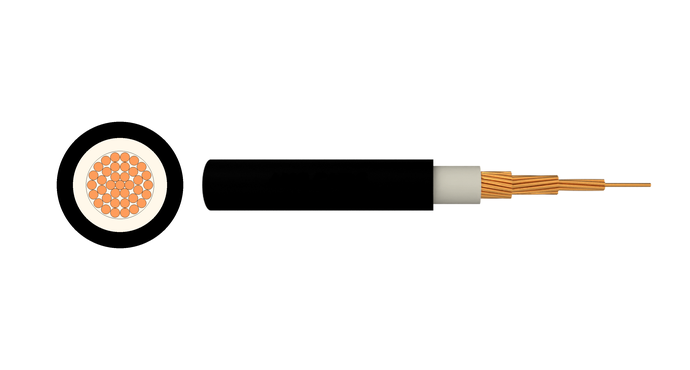
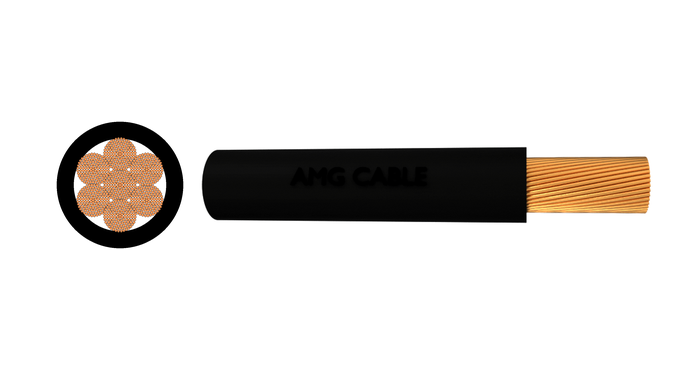
Get A Free Quote
Need Help?
Your Trusted Business Partner for Professional Cable Solutions
/ AMG FAQ /
Frequently Asked Questions
Selecting the right rubber cable ensures operational safety and avoids costly downtime. Follow this 7-step engineering guide:
- Determine Voltage Rating: Match your system’s power grid, such as 300/500V for light tools or 450/750V for heavy industrial machinery.
- Evaluate Installation Conditions: Assess ambient environmental temperatures (e.g., extreme heat up to 180°C or freezing sub-zero zones) and direct UV exposure.
- Consider Mechanical Stress: Choose Class 5 or Class 6 conductors based on whether operations require static layouts or continuous bending, dragging, and trailing.
- Check Water Exposure: Identify if the environment involves minor rain splashing or permanent underwater submersion (which requires specialized waterproof H07RN8-F).
- Assess Chemical Exposure: Check for potential contact with aggressive mineral oils, automated machinery grease, or corrosive chemical solvents on the factory floor.
- Select Conductor Size: Calculate the proper cross-sectional area (mm²) based on the required current-carrying capacity (ampacity) and acceptable voltage drop limits.
- Verify Applicable Standards: Ensure strict compliance with recognized international regulatory frameworks (IEC, EN, BS, VDE) mandated by your target market or project specification.
The fundamental difference lies in their intended use and material properties. Rubber cables are classified as mobile cables—they are designed for environments where the cable needs to move, bend, and flex repeatedly.Unlike rubber cables, PVC cables are typically used in fixed installations where they remain undisturbed after initial placement.
Rubber cables are constructed with multiple strands of fine copper conductors and a rubber outer sheath that provides excellent protection, abrasion resistance, and bending resistance. PVC cables use a polyvinyl chloride sheath which is more rigid.
The performance gap is significant. Rubber cables remain flexible even at extreme temperatures—down to -40°C—while PVC becomes brittle in cold and softens in high heat, reducing its safety factor. Rubber also offers superior resistance to oil, acid, alkali corrosion, and weathering.
The trade-off is cost. Rubber cables are more expensive than PVC cables. But in demanding environments where reliability matters, the upfront cost difference is quickly justified by longer service life and fewer failures.
Which one should you choose? If your cable needs to move, flex, or survive harsh conditions—choose rubber. If it’s a one-time fixed installation in a protected indoor environment—PVC will do the job at a lower cost.
Industrial rubber cables offer significant performance advantages over standard PVC alternatives in demanding environments:
- Flexibility and mechanical strength: Made with high‑grade elastomer compounds and fine‑stranded copper conductors (Class 5/6), these cables handle repeated bending, shocks, and dragging over rough surfaces without damage.
- Abrasion and tear resistance: The tough outer jacket provides reliable protection against constant friction, scuffing, and physical abuse on industrial work floors.
- Oil, Chemical & Water Resistance: They naturally repel aggressive mineral oils, automated machinery grease, and chemical solvents, while offering excellent water resistance against moisture ingress and heavy splashing.
- Wide Operating Temperature Range: this is the principle advantage of all rubber cables. They stay flexible in extreme cold and don’t soften in heat.
- UV & Weather Resistance: Built to withstand UV exposure and harsh weather, these cables resist ozone‑induced cracking and sun damage, delivering reliable performance over years of outdoor or marine service.
- Long Service Life: This comprehensive durability minimizes early cable degradation, delivering a long service life that effectively slashes maintenance overhead and costly operational downtime.
Rubber cable is used wherever standard PVC cable would fail. Its core purpose is to supply power and control signals in demanding environments that involve frequent movement, harsh weather, oil, chemicals, or extreme temperatures.
You’ll find it on construction sites powering temporary lighting, hoists, and heavy tools (H07RN-F). In industrial plants, it connects mobile machinery, cranes, and conveyor systems where oil and abrasion are constant threats. For welding, special flexible cables (HO1N2-D/E) carry high currents from the welder to the electrode, surviving heat and sparks. Submersible pump cables are built for permanent underwater use in deep wells, drainage, and offshore installations. Silicone rubber cables handle extreme heat in ovens, furnaces, and engine compartments, as well as severe cold in refrigeration.
Other common uses include marinas, mining, agriculture, portable workshop tools, stage lighting, and outdoor power distribution. In short, if your application involves movement, moisture, oil, temperature extremes, or mechanical stress, rubber cable is the reliable, long‑lasting solution.
Repairing a damaged rubber cable sheath is straightforward for minor damage, but safety comes first—always disconnect the cable from power before attempting any repair.
For minor damage (surface scratches or small cuts that haven’t penetrated to the inner insulation):
- Clean the surface — use a solvent cleaner and fine abrasive pad to remove dirt and roughen the damaged area for better adhesion.
- Apply repair tape — wrap the damaged section with a self‑amalgamating rubber repair tape, stretching it slightly and applying in a half‑lap pattern.
- Overwrap the ends — finish with a layer of high‑quality vinyl electrical tape over each end of the repair to secure it and prevent peeling.
For substantial damage (larger tears or missing sections):
- Trim loose edges – Carefully trim any tears or loose parts from the sheath.
- Clean and polish – Use the solvents and abrasives described above.
- Fill and seal — apply an electrical insulation putty or mastic compound to fill gaps and rebuild the missing profile.
- Wrap and overwrap — apply rubber repair tape over the entire repaired area, then overwrap the ends with vinyl tape for added mechanical protection.
Important: If the damage extends through the sheath into the core insulation, screen, or armour, a more substantial repair (such as a cast resin joint) is required. In these cases, or if you are unsure, consult a qualified electrician.
The answer depends on the specific cable type and rating.
Most rubber cables are water-resistant but not fully waterproof. The rubber sheath (particularly neoprene/chloroprene compounds) provides significantly better water resistance than PVC—PVC absorbs water over time, while rubber remains water-impermeable.
For outdoor and damp environments, many rubber cables are suitable. H07RN-F cables, for example, can be used in dry, damp, and wet rooms, and outdoors. They are waterproof, UV resistant, and weather resistant.
For temporary immersion (up to 10 metres depth), cables like H07RN8-F are specifically designed and tested for this purpose.
For permanent submersion, specialised submersible pump cables are required. Some rubber cables can be permanently submerged in fresh water, salt water, and even contaminated water to depths of 100 metres.
In short: Standard rubber cables (H05RN-F, H07RN-F) are water-resistant and fine for outdoor use and damp conditions. For immersion, choose H07RN8-F (temporary) or dedicated submersible pump cable (permanent).
The weight varies heavily based on the number of internal cores and the cross-sectional area
(measured in mm2). For perspective:
- A light-duty 3-core 1.5 mm2HO5RN-F cord weighs roughly 130 kg to 160 kkg per kilometer.
- A heavy-duty 4-core 50 mm2H07RN-F industrial cable can weigh upwards of 3,200 kg per
Always consult the specific product datasheet for exact shippiing and net weights prior to finalizing freight logistics.
Yes, absolutely. Many rubber cables are specifically designed for outdoor use.
Rubber cables suitable for outdoor applications typically feature:
- Weather resistance—they withstand rain, moisture, and temperature fluctuations
- UV resistance—the sheath protects against degradation from sunlight exposure
- Temperature tolerance—they remain flexible in cold and stable in heat
Common outdoor-rated rubber cables include H07RN-F, H05RN-F, SJOW, and SJOOW. H07RN-F cables, for example, are UV and ozone-resistant and particularly suitable for permanent outdoor cabling.
Typical outdoor applications include:
- Connecting outdoor lighting (floodlights, streetlights)
- Power tools on construction sites
- Garden and patio electrical equipment
- Temporary power distribution outdoors
- Agricultural equipment
One important note: While rubber cables can be used outdoors, they should not be left in standing water unless specifically rated for immersion.
Yes, but with important precautions.
Rubber cables can be buried underground, but they require additional mechanical protection — typically in the form of conduit, ducting, or a protective tube.
The reason is straightforward: while rubber cables have excellent weather and water resistance, they are not designed to withstand the mechanical stresses of direct burial — rocks, soil movement, digging, and ground pressure can damage the cable over time.
Key considerations for burying rubber cables:
Use mechanical protection — install the cable in a conduit, pipe, or cable tray before burying
Check the cable’s rating — ensure your specific cable is rated for the environment (damp, wet, or submerged conditions)
Follow local electrical codes — burial depth requirements vary by region (typically 450–600mm for cables in conduit)
Mark the cable route — buried cables should be clearly identified above ground for future safety
Bottom line: You can bury rubber cable, but always install it with mechanical protection (conduit or ducting) and verify that your specific cable type is suitable for the intended burial conditions.

Have Questions?
Get in Touch with Us.
AMG Cable Group support 24*7 service and technical assistance.
Phone /Whatsapp / Wechat
+86 188 3803 6118Address
High-Tech Industrial Development Zone,Zhengzhou City,Henan Province,ChinaSend Us a Message
Please feel free to leave a message. We will reply in 24 hours.
/ AMG WIRE&CABLE /
Your trusted partner in high- performance wire and cables
Our team stands by 24/7, responding promptly to
inquiries and providing most quotations within 24 hours.