

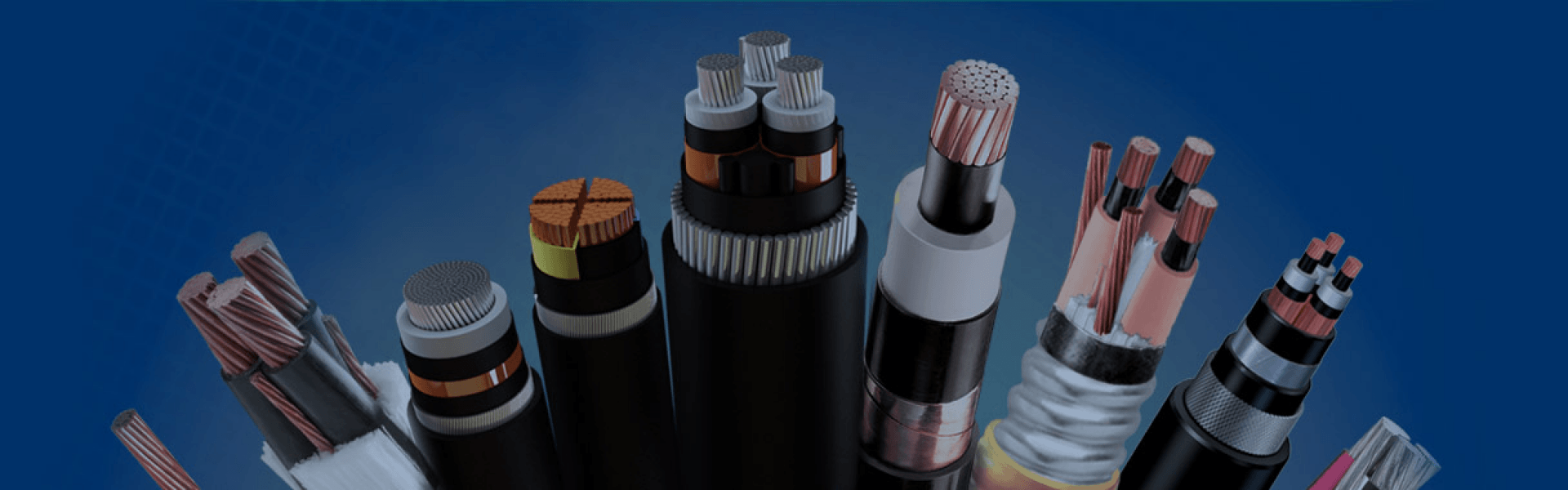
Welding Cable
Welding Cable is a heavy-duty flexible cable specially designed for transmitting high welding currents between welding equipment, electrode holders, and workpieces. Unlike ordinary power cables, Welding Cable is built for demanding welding environments where cables are frequently moved, bent, dragged, and exposed to heat, sparks, oil, and mechanical stress.
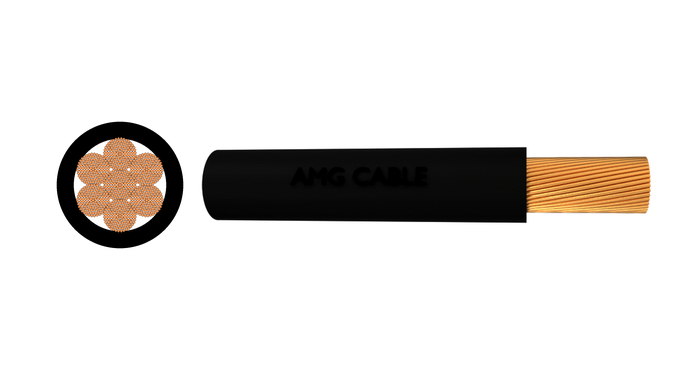
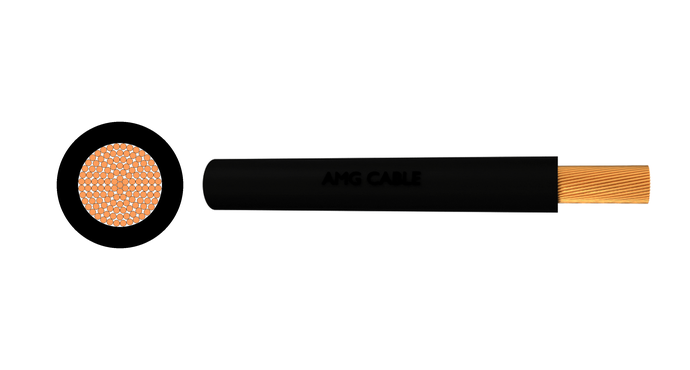
A reliable Welding Cable typically uses highly stranded copper conductors combined with durable rubber insulation and outer sheath. This construction provides excellent flexibility, low electrical resistance, and strong protection against abrasion and harsh conditions, helping ensure stable current transmission and long service life during welding operations.
Welding Cable plays an important role in arc welding applications because the cable directly affects welding performance, safety, and operating efficiency. A properly designed cable helps reduce power loss, prevent overheating, and maintain consistent welding current even under heavy-duty working conditions.
Our Welding Cable range includes H01N2-D, H01N2-E, and Portable Arc-Welding Cable, designed for different welding requirements. These cables are widely used in construction, shipbuilding, metal fabrication, automotive manufacturing, machinery repair, and other industrial welding applications where flexibility, durability, and reliable electrical performance are essential.
With compliance with relevant international requirements, Welding Cable provides a safe and dependable solution for transferring welding current in both fixed and mobile welding operations. It helps customers achieve efficient welding processes while reducing downtime caused by cable damage or performance issues.
Welding Cable Core Standards System
Welding Cable is designed for demanding welding environments where cables must safely transmit high welding currents while maintaining flexibility, durability, and reliable performance. Different international standards define the requirements for cable construction, electrical safety, mechanical strength, and resistance to harsh working conditions.
The following standards are commonly associated with Welding Cable, especially for H01N2-D, H01N2-E, and portable arc-welding cables.
| Standard | Scope | Key Requirements | Purpose |
| EN 50525-2-81 | Flexible cables for arc welding equipment | Defines requirements for H01N2-D and H01N2-E welding cables, including conductor construction, insulation, sheath properties, electrical performance, and testing methods | Ensures welding cables can safely handle high current loads while providing flexibility and durability in professional welding applications |
| IEC 60245 Series | Rubber insulated cables with rated voltages up to 450/750V | Specifies general requirements for rubber insulated flexible cables, including conductor structure, insulation materials, mechanical properties, and safety tests | Provides an international reference for the design and performance of rubber welding cables |
| HD 22.6 / Harmonized Rubber Cable Standards | European harmonized rubber cable requirements | Covers construction and testing requirements for heavy-duty flexible rubber cables used in industrial environments | Helps ensure product consistency and compatibility across European markets |
| H01N2-D | Standard flexible welding cable classification | Requires flexible copper conductors, rubber insulation, and protective sheath suitable for welding applications | Provides reliable performance for general arc welding operations |
| H01N2-E | Extra flexible welding cable classification | Requires enhanced flexibility and mechanical performance for applications involving frequent movement and repeated bending | Designed for mobile welding equipment and demanding industrial operations |
Welding Cable
Get A Free Quote
Need Help?
Your Trusted Business Partner for Professional Cable Solutions
/ AMG FAQ /
Frequently Asked Questions
Choosing the right welding cable depends on several factors, including welding current, cable length, duty cycle, working environment, and flexibility requirements.
- Current capacity: Higher welding currents require larger conductor sizes to prevent overheating and voltage drop.
- Cable length: Longer cables may require a larger cross-sectional area to maintain stable current transmission.
- Flexibility: For applications with frequent movement, bending, or portable welding equipment, extra flexible cables such as H01N2-E are recommended.
- Environment: Consider resistance to abrasion, oil, heat, moisture, and outdoor exposure when selecting the cable sheath material.
Selecting the correct welding cable size helps ensure safe operation, stable welding performance, and longer service life.
Welding cable and DLO (Diesel Locomotive) cable are both highly flexible single-conductor cables, but they are designed for different applications.
| Feature | Welding Cable | DLO Cable |
|---|---|---|
| Main application | Welding current transmission | Heavy-duty power supply and industrial equipment |
| Typical standard | EN 50525-2-81, IEC 60245 related requirements | UL 44 / ICEA standards commonly used |
| Voltage rating | Usually lower voltage welding applications | Higher voltage ratings, commonly up to 2kV |
| Flexibility | Very flexible for welding movement | Highly flexible for industrial applications |
| Common use | Arc welding machines, electrode holders | Mining equipment, generators, power distribution |
Welding cable is optimized for welding operations, while DLO cable is designed for heavy-duty power distribution and mobile industrial equipment.
Welding cables are generally classified as flexible rubber insulated cables. Under European harmonized cable classification, common welding cables include:
- H01N2-D: Flexible arc welding cable
- H01N2-E: Extra flexible arc welding cable
These cables use flexible copper conductors and rubber insulation systems to withstand frequent movement and harsh working conditions.
No. Welding cable and battery cable are similar in appearance because both use flexible copper conductors, but they are designed for different purposes.
Welding cable:
- Designed to carry high welding currents
- Built for frequent movement and harsh industrial environments
- Usually has a durable rubber sheath
Battery cable:
- Designed mainly for connecting batteries and electrical systems
- Commonly used in vehicles, boats, and power systems
- May use PVC or other insulation materials depending on the application
While welding cable can sometimes be used for battery connections due to its flexibility and current capacity, it is not specifically designed as a replacement for all battery cables.
Welding cable is typically connected between the welding machine and the welding components:
- Turn off the welding equipment before installation.
- Select the correct cable size based on welding current and cable length.
- Attach one end of the cable to the welding machine terminal.
- Connect the other end to the electrode holder or work clamp.
- Ensure all connections are tight and properly insulated.
Proper connections help reduce resistance, prevent overheating, and ensure stable welding performance.
A typical welding cable consists of three main parts:
- Flexible Copper Conductor
- Made from multiple fine copper strands
- Provides excellent conductivity and flexibility
- Rubber Insulation
- Electrically separates the conductor
- Provides heat resistance and mechanical protection
- Rubber Outer Sheath
- Protects against abrasion, oil, moisture, ozone, and harsh working conditions
This construction allows welding cable to perform reliably in demanding industrial environments.
Yes, welding cable can sometimes be used for solar battery connections because it offers:
- High flexibility
- Low electrical resistance
- High current carrying capability
However, welding cable is not specifically designed as a solar battery cable. For permanent solar installations, it is usually recommended to use cables designed for photovoltaic and battery storage systems, which may provide better performance for:
- Continuous outdoor exposure
- UV resistance
- Long-term installation
- Specific solar system requirements
For temporary, mobile, or high-current battery connections, welding cable can be a practical option when properly sized.
Welding cable is mainly used to transfer electrical current between welding equipment and the welding point.
Common applications include:
- Arc welding machines
- Electrode holders and work clamps
- Construction welding
- Shipbuilding
- Metal fabrication
- Automotive manufacturing
- Industrial equipment repair
- Portable welding operations
Its high flexibility and durability make it suitable for environments where cables are frequently moved and exposed to mechanical stress.
Inside a welding cable is a highly stranded copper conductor designed for maximum flexibility and current transmission.
The typical structure is:
Flexible copper strands → Rubber insulation → Protective rubber sheath
The large number of fine copper strands allows the cable to bend repeatedly without easily breaking, while the rubber insulation and sheath protect the cable from heat, abrasion, oil, and environmental damage. This structure is what makes welding cable suitable for heavy-duty welding applications.

Have Questions?
Get in Touch with Us.
AMG Cable Group support 24*7 service and technical assistance.
Phone /Whatsapp / Wechat
+86 188 3803 6118Address
High-Tech Industrial Development Zone,Zhengzhou City,Henan Province,ChinaSend Us a Message
Please feel free to leave a message. We will reply in 24 hours.
/ AMG WIRE&CABLE /
Your trusted partner in high- performance wire and cables
Our team stands by 24/7, responding promptly to
inquiries and providing most quotations within 24 hours.