

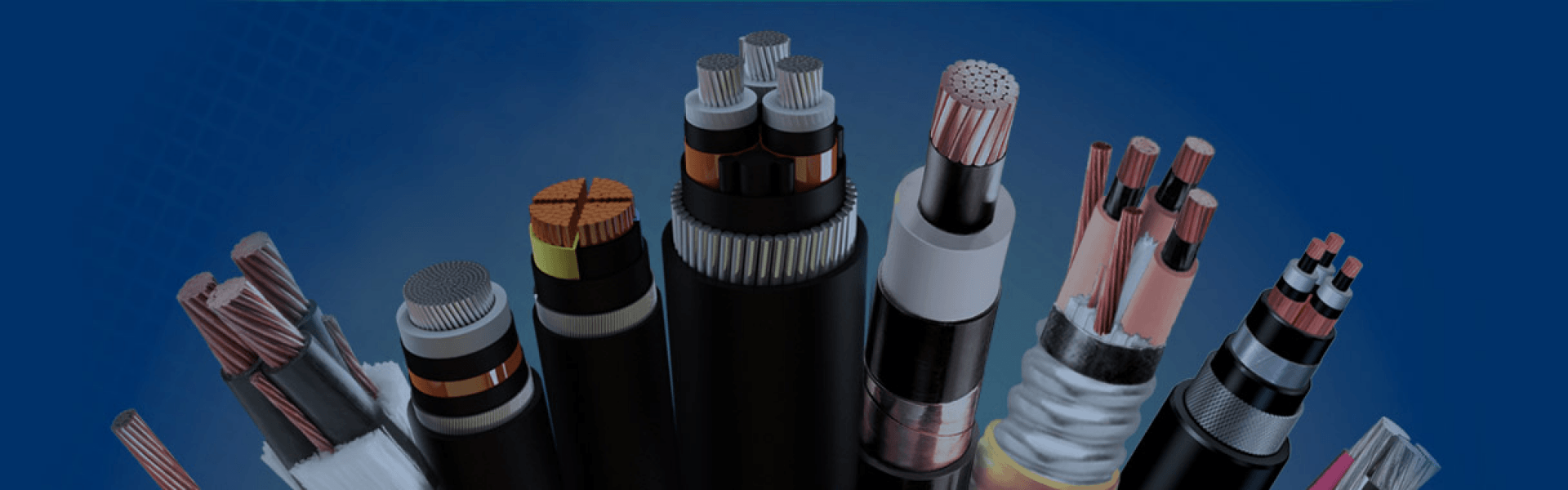
Concentric Cable
At AMG, we supply a wide range of concentric cables for utility service connections, low-voltage distribution networks, residential developments, commercial buildings, and infrastructure projects. Designed for reliable power delivery and long service life, concentric cables are widely used where safety, durability, and dependable neutral performance are essential.
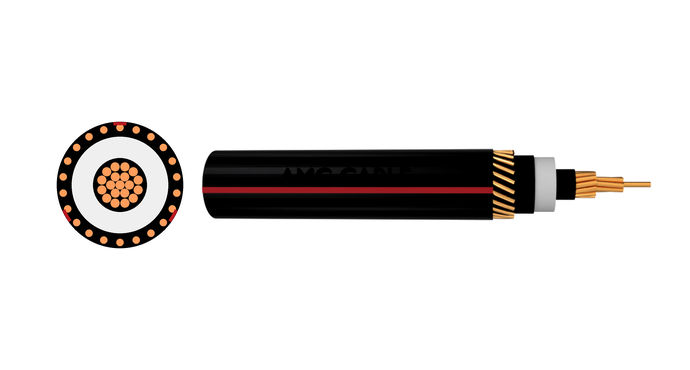
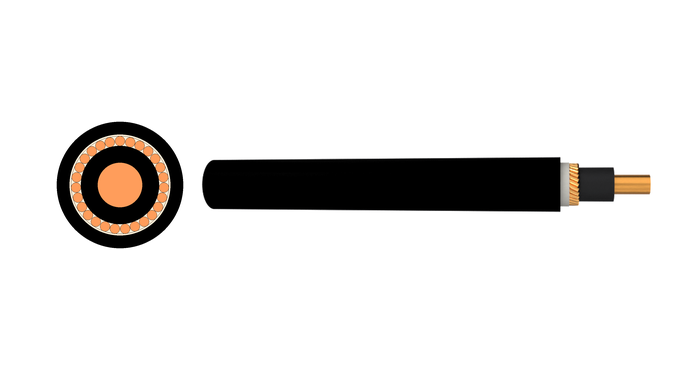
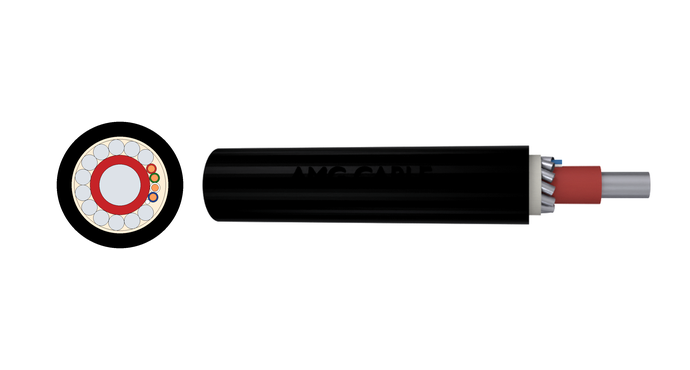
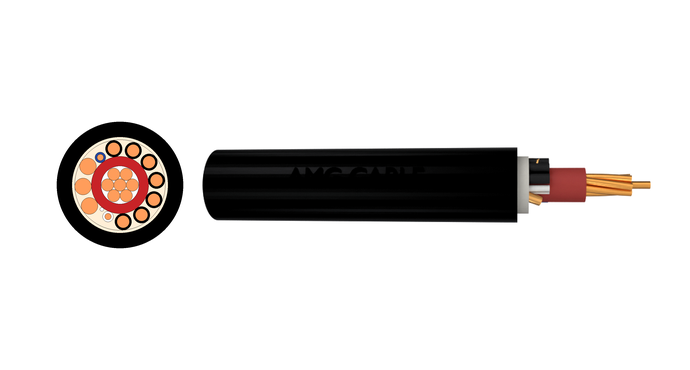
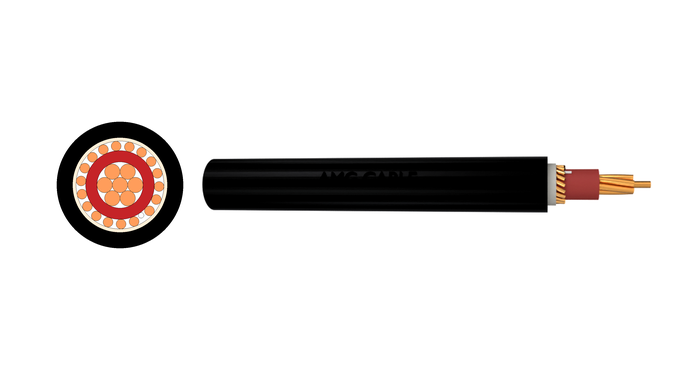
A concentric cable is a type of low-voltage power cable that features a central conductor surrounded by concentrically arranged copper wires. These outer wires typically function as a neutral conductor, earth conductor, or combined neutral and earth conductor. The cable is called “concentric” because the neutral wires are evenly positioned around the insulated core, creating a balanced and compact structure.
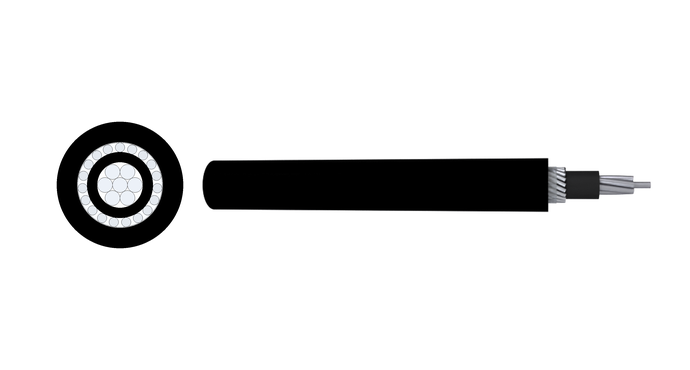
Typical construction includes a copper or aluminum conductor, PVC or XLPE insulation, a concentric layer of copper wires, and a protective outer sheath. This design provides a reliable current return path, good fault current capability, and enhanced mechanical protection, making it particularly suitable for utility service connections and underground power distribution.
The primary function of concentric cable is to deliver electrical power while incorporating the neutral or protective conductor within the same cable assembly. Compared with standard power cables, concentric cables offer a more integrated design, simplified installation, and improved reliability for service entrance and distribution applications.
Most concentric cables are manufactured for low-voltage systems, with 0.6/1kV being the most common voltage rating. Common variations include standard concentric cable, split concentric cable, CNE (Combined Neutral and Earth) cable, and SNE (Separate Neutral and Earth) cable, allowing users to select the most suitable solution for different utility and installation requirements.
Key Features and Benefits
The concentric design brings practical advantages that show up directly in installation, safety, and cost.
- Built-in safety :The earthed neutral layer surrounds the live core; most accidental penetrations hit neutral first, causing the circuit to trip immediately.
- All-in-one construction : Phase, neutral, and earth are combined in a single cable, so there is no separate earth wire to pull or additional conduit to install.
- Flexible handling :No steel armour means a tighter bending radius (typically 8–10 × outer diameter), making routing through meter boxes and tight entries much easier.
- Natural EMI shielding :The outer copper layer reduces electromagnetic interference on its own, without extra shielding tape or foil.
- Lighter weight :Weighs noticeably less than equivalent SWA cable, which simplifies transport and reduces strain on supports.
- Cost-effective :Simple construction with fewer manufacturing steps provides reliable LV distribution performance at a lower material cost than armoured alternatives.
- Utility-compliant :Matches national standards in many markets, avoiding time spent on design deviations and approval delays.
- Two proven types for different conditions :CNE (bare concentric neutral) for overhead service drops; SNE (insulated neutral) for underground or direct-burial applications.
Concentric Cable
Get A Free Quote
Need Help?
Your Trusted Business Partner for Professional Cable Solutions
/ AMG FAQ /
Frequently Asked Questions
- Voltage Rating – Confirm your system runs on standard low voltage; 0.6/1 kV concentric cable covers virtually all residential service drops and street lighting circuits.
- Conductor Material & Size – Copper for its conductivity and corrosion resistance; aluminium where lower weight or initial cost is the priority. Size the cross-section according to load current, run length, and the voltage drop limits in your local code.
- Installation Environment – Decide overhead or underground first. Overhead points to a lightweight design; underground or ducted work needs the moisture resistance of an insulated neutral. Match the outer sheath to the site: UV-resistant PVC for general conditions, tougher PE for aggressive soils, termites, or rodent risk.
- Neutral Configuration – CNE (bare copper neutral) is the standard for overhead lines where the cable sits in air. SNE (insulated neutral) is the requirement for underground and direct burial, giving a separated earth path and better long-term protection against dampness.
- Utility Requirements – Many markets, including Chile, Peru, and Dominica, have fixed standards for colour coding, insulation material, and testing. Building to the local approved design from the start avoids failed inspections and rework.
- Current Capacity – Let the actual load and installation method determine the conductor size. Use your local ampacity tables, or share load details, run length, and ambient conditions with your supplier to verify the correct cross-section.
- Mechanical Protection – Concentric cable does not have steel armour. If the cable will be buried under roads or in rocky ground, plan for conduit, or switch to an armoured cable for that section.
- Clear Specification – Give your supplier(AMG)the installation type, voltage, length, country of use, and any approvals you need. A complete spec allows cross-checking against local standards and ensures you receive the right CNE or SNE configuration.
Concentric cable is primarily used for low‑voltage power distribution in residential and street‑lighting networks. It handles service drops from poles to houses, underground residential connections, and secondary distribution between distribution boxes and end users.
A concentric cable works by using a central conductor (usually the phase/live) surrounded by one or more layers of helically wound conductors that serve as the neutral, earth, or both. Current flows through the inner core and returns via the outer concentric layer. This coaxial-like arrangement provides a low-impedance return path, reduces electromagnetic interference, and offers some mechanical protection to the inner insulation.
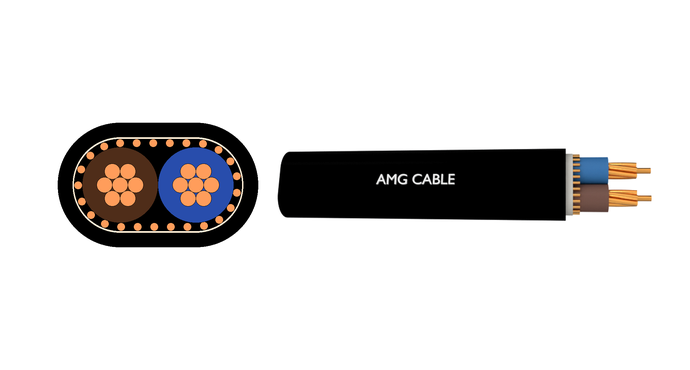
Split concentric cable is a type of concentric cable where the outer concentric layer is divided into two distinct sets of conductors. One set is used as the neutral and the other as the separate earth (CPC – circuit protective conductor). This allows the neutral and earth to remain electrically separate, making it suitable for TN-S earthing systems where separate neutral and earth conductors are required right up to the supply cut-out.
Power utilities and contractors choose concentric neutral cables for three main reasons:
- Anti-Tampering: It provides unmatched protection against illegal electricity theft.
- Built-in Mechanical Safety: The tightly wrapped outer wire layer acts as a protective shield against accidental impacts or crushing forces without requiring heavy, rigid steel armor.
- Weight & Space Efficiency: It is much lighter, more compact, and easier to handle for field installation crews compared to traditional multi-core armored alternatives.
No, they are not the same. While they share a similar geometric shape (layers sharing a single central axis), they serve entirely different industries:
- Concentric Cables are heavy-duty power cables rated for 0.6/1 kV, built to transmit high-current electrical energy for power grids.
- Coaxial Cables are shielded data/signal cables (like those used for cable TV, internet, or RF antennas) built to transmit high-frequency low-current data while blocking external electromagnetic interference.
Concentric cables come in a wide range of cross-sectional sizes depending on international standards (such as BS 7870 or IEC 60502-1):
- Conductor Material: Usually feature Class 2 stranded copper or Class 1 solid/stranded aluminum alloy.
- Common Sizes: For typical residential service connections, standard cross-sectional areas range from 4 mm², 6 mm², 10 mm², 16 mm², 25 mm², up to 35 mm² or larger for heavy-duty commercial feeds.
Yes, concentric cable can be joined. Jointing must be done using purpose-designed kits or connectors that ensure full continuity of all conductors (phase, neutral, and earth) and restore the insulation and mechanical protection. It is critical to connect all the individual concentric neutral/earth wires securely — for example by twisting them together and fitting them into an appropriate terminal or crimp — and to follow local wiring regulations and manufacturer instructions.
- Strip: Carefully strip back the outer PVC or LSZH jacket to expose the outer concentric copper wires without nicking them.
- Bunch: Separate and bunch all the outer concentric wires together, twisting them tightly into a single solid strand (or separate them into Neutral and Earth groups if dealing with a split concentric cable).
- Insulate: Slide heat-shrink tubing over both the central phase core and the newly formed outer strand to ensure clean isolation.
- Crimp: Crimp appropriate heavy-duty cable lugs onto the ends of the inner core and the bunched outer conductor(s).
- Connect: Secure the lugs tightly onto the target terminal block or meter panel connections.
A standard coaxial cable consists of two concentric conductors sharing the same axis:
- The Inner Conductor: A central solid or stranded copper wire that carries the actual data signal.
- The Outer Conductor: A cylindrical layer of braided copper wire, foil shield, or a combination of both that serves as the signal return path and shields against external interference.

Have Questions?
Get in Touch with Us.
AMG Cable Group support 24*7 service and technical assistance.
Phone /Whatsapp / Wechat
+86 188 3803 6118Address
High-Tech Industrial Development Zone,Zhengzhou City,Henan Province,ChinaSend Us a Message
Please feel free to leave a message. We will reply in 24 hours.
/ AMG WIRE&CABLE /
Your trusted partner in high- performance wire and cables
Our team stands by 24/7, responding promptly to
inquiries and providing most quotations within 24 hours.