

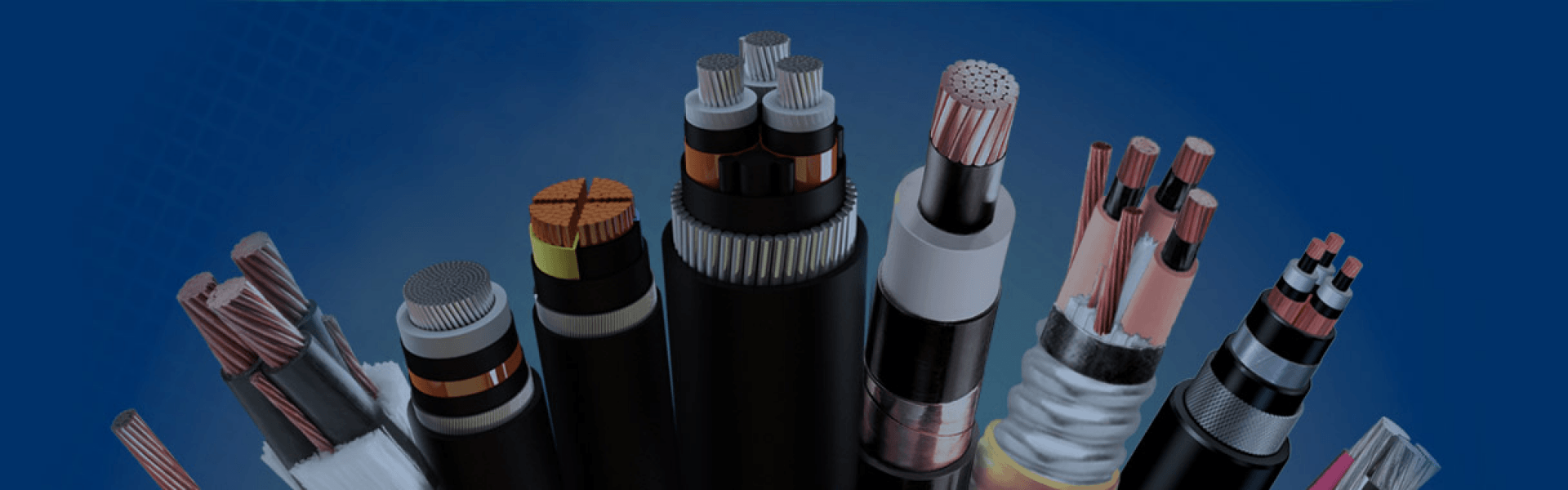
Electrical Wire
Electrical wire is used to safely transmit electrical power and signals between power sources, equipment, and electrical systems. It is widely used in residential buildings, commercial facilities, industrial equipment, automation systems, and power distribution projects. Different wire types are designed for different voltage levels, installation environments, flexibility requirements, and safety standards.
A typical electrical wire mainly consists of a conductor and an insulation layer. The conductor, usually made of copper or aluminum, carries electrical current, while the insulation protects against electrical leakage, heat, moisture, and mechanical damage. Depending on the application, additional layers such as sheathing or shielding may also be added for better protection and durability.
In the electrical industry, “wire” and “cable” are related but slightly different terms. A wire usually refers to a single electrical conductor, either solid or stranded, while a cable generally contains two or more insulated conductors combined within an outer protective sheath. Wires are commonly used for internal wiring and building installations, while cables are more suitable for power distribution and industrial applications requiring higher mechanical protection.
Electrical wire works by allowing electric current to flow through conductive metal materials with low resistance. When voltage is applied, electrical energy travels through the conductor to connected equipment or systems. The insulation helps maintain safe and stable operation by preventing short circuits and electrical shock.
Copper and aluminum are the most common conductor materials used in electrical wire manufacturing. Copper provides higher conductivity, better flexibility, and more reliable connections, making it widely used in building and industrial wiring. Aluminum is lighter and more cost-effective, especially for large-scale power distribution projects. The choice between copper and aluminum depends on installation conditions, electrical load requirements, and project budget.
Types of Electrical Wire
| Classification & Included Styles | Voltage | Conductor | Insulation & Jacket | Cores | Sizing Range | Primary Applications |
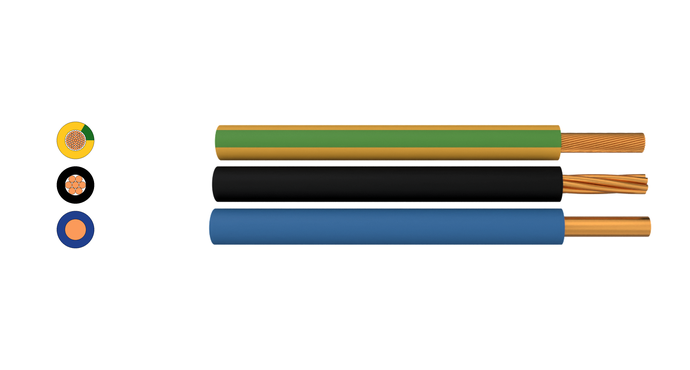
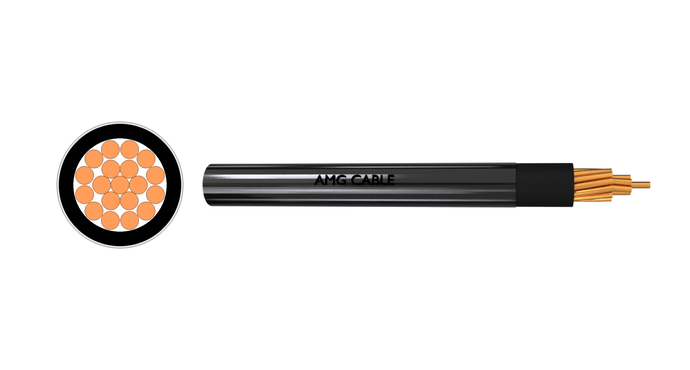
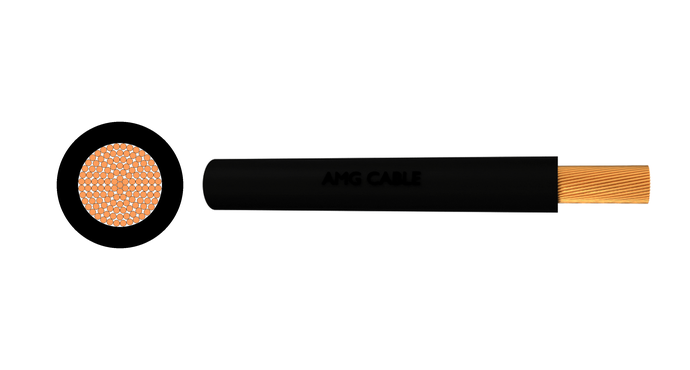
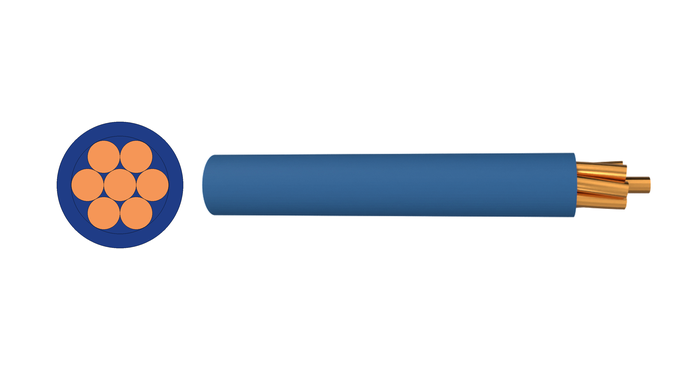
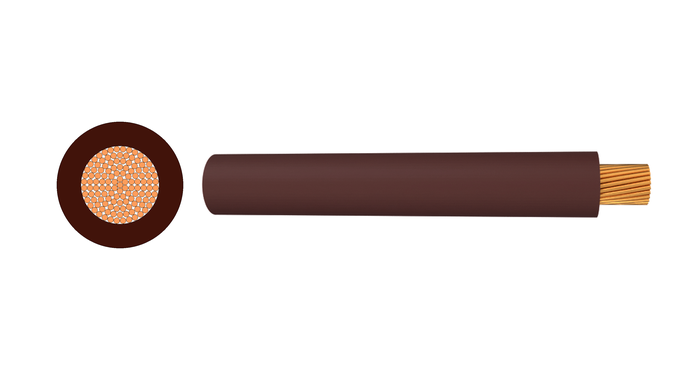
| Single-Core Conduit Wires | 300V to 600V | 100% Pure Copper (Solid/Stranded/Flexible) | PVC, Nylon-Coated PVC, or LSZH (Low-Smoke Zero-Halogen) | 1C | 14 AWG – 1000 kcmil / 0.5 – 240 mm² | Electrical panels, switchgear, and commercial branch circuits via conduit or trays. |
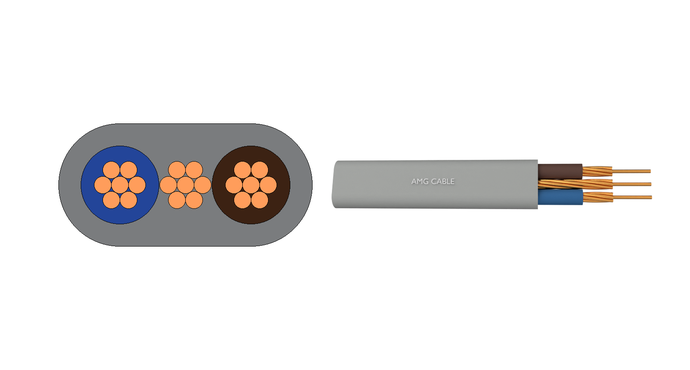
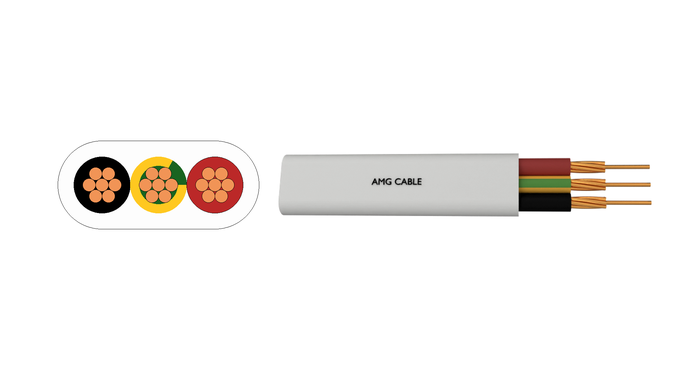
| Flat Fixed Building Wires | 300V to 750V | High-Conductivity Copper (Solid/Stranded) | Flame-Retardant PVC with Easy-Strip PVC Outer Jacket | 2C, 2C+E, 3C+E | 1.0 – 16 mm² | Domestic and commercial fixed wiring hidden inside wall cavities and roof spaces. |
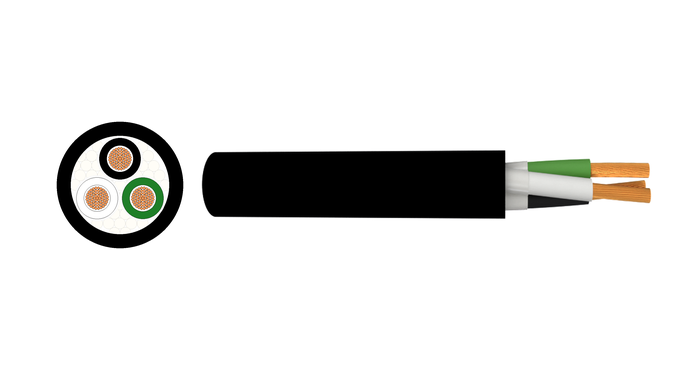
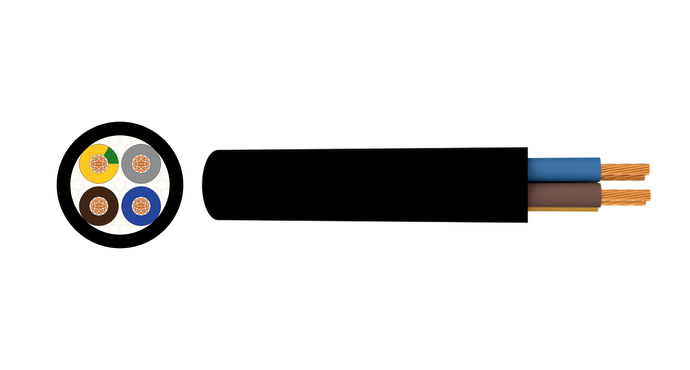
| Flexible Multi-Core Cords | 300V to 600V | High-Flexibility Stranded Copper | Standard PVC, Heat-Resistant PVC (90°C), or Nylon-Jacketed PVC | 2C to 5C | 18 – 10 AWG / 0.5 – 4.0 mm² | Power supply cords for appliances, office equipment, and light-duty portable tools. |
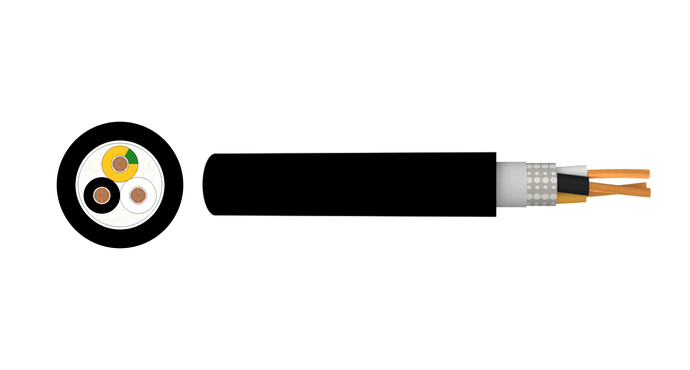
| Heavy-Duty & Industrial Wires | 300V to 1000V | Compacted Stranded Copper or Ultra-Fine Moving Copper | Heavy PVC, XLPE, Oil-Resistant PVC, or Advanced LSZH | 1C (Mains), 2C – 60C (Automation) | 10 – 630 mm² / 0.14 – 25 mm² | Main power supply lines, commercial switchboards, and moving CNC or robotic drag chains. |
Global Electrical Wire Standards Cross Reference
| Standard System & Region | Core Wire Styles & Models | Primary Governing Standards | Voltage Ratings | Material Construction & Insulation Profile |
| North America (UL / CSA) | THHN, THWN, THWN-2, TW, THW; TSJ, TSJ-N | UL 83; UL 62 | 600 V | Copper, PVC + nylon jacket (THHN/THWN); plain PVC (TW/THW); TSJ/TSJ-N: nylon core jacket + PVC sheath |
| Europe / International (EN / IEC / VDE) | H07V-U/R/K, H07Z1-K; H05V-U/R/K; H03VV-F/H2-F, H03V2V2-F/H2-F, H05VV-F/H2-F; TRVV | EN 50525-2-31; EN 50525-3-31; EN 50525-2-11; VDE/EN/IEC | 450/750V (H07), 300/500V (H05), 300/300V (H03), 0.6/1kV (TRVV) | Copper, PVC or LSZH insulation; flexible cords: PVC or heat-resistant PVC sheath (round/flat); TRVV: PVC insulated, high-flex stranding |
| United Kingdom (BS) | 6242Y flat twin & earth | BS 6004 | 300/500V | Copper, PVC insulation, grey PVC sheath, flat with bare earth |
| Australia / New Zealand (AS/NZS) | 450/750V flat TPS; 0.6/1kV PVC single core, PVC earth; 0.6/1kV X-HF-90 (XLPE) single core | AS/NZS 5000.2; AS/NZS 5000.1 | 450/750V (TPS); 0.6/1kV (single core) | Copper, V-90 PVC or XLPE insulation; TPS with PVC sheath; earth cables with green/yellow PVC |
Electrical Wire
Get A Free Quote
Need Help?
Your Trusted Business Partner for Professional Cable Solutions
/ AMG FAQ /
Frequently Asked Questions
Start by matching the wire to the voltage of your system (300/500V, 450/750V, 600V, or 0.6/1kV). Then look at the current the circuit will draw, because that determines the cross-sectional area—larger loads need thicker conductors to avoid overheating. Next, decide on the insulation material: PVC works for most indoor dry locations, XLPE offers higher temperature headroom, and low-smoke zero-halogen (LSZH) is required in public buildings and confined spaces. Also think about the environment: wet or dry, fixed or flexing, exposed to oil or sunlight. If you are working to a specific regional standard, that will further narrow your options. When you have those basics, the product comparisons on this page will guide you to the right family. If you get stuck, send us your voltage, load, and installation conditions—we will help you pin down the correct wire.
Electrical wire is used to carry electric current safely from a power source to the equipment, appliance, or fixture that needs it. In a building, it runs inside walls and conduit to supply socket outlets, lighting, and fixed appliances like water heaters. Inside machines and control panels, single-core wires route power and signals between components. Flexible cords connect portable appliances—everything from a table lamp to a washing machine—to the wall outlet. Industrial cables handle heavier tasks, such as powering motors on a production line or bending millions of times in a drag chain. In every case, the wire’s job is the same: deliver the required current without overheating, without breaking down, and without creating a shock or fire hazard.
Testing ensures circuit integrity and prevents electrical hazards. Common testing methods include:
Continuity Testing: Use a digital multimeter set to the continuity mode (the audio beep icon). Touch the probes to both ends of a de-energized wire to ensure there are no internal breaks.
Voltage Testing: Use a non-contact voltage tester or a multimeter on the AC Voltage setting to verify if a line is live before handling it.
Insulation Resistance Testing (Megger Test): For industrial and commercial handovers, use an insulation tester to apply a high voltage across the insulation. This checks for microscopic degradation, leaks, or short circuits to the ground.
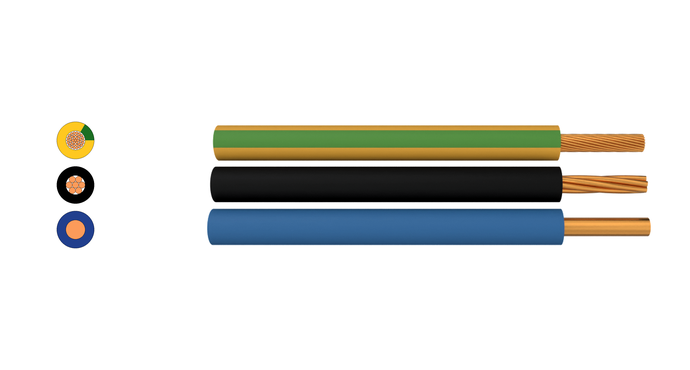
The safest connections are made inside an approved junction box or enclosure. Strip the insulation back carefully, leaving enough bare copper to fully insert into the connector but not so much that bare metal is exposed. For solid-core building wires, twist-on wire nuts or push-in lever connectors are standard and reliable. Stranded and flexible wires often perform best with ferrules or terminal blocks. Always match like colors to like colors—typically live (brown or black), neutral (blue or white), and earth (green/yellow or bare). After connecting, tug each wire gently to confirm it is secure, then close the box. Never leave a connection buried in a wall without an accessible box; that is both dangerous and a code violation.
Running wire means routing it from the power source to the outlet, switch, or appliance following a planned path. In most residential and commercial buildings, wire is pulled through conduit, through holes drilled in studs and joists, or along cable trays. Secure the cable at regular intervals with approved staples or clips, keep it away from sharp edges, and leave enough slack at both ends for termination. Always shut off the power before handling any circuit, and check your local wiring regulations for rules on support spacing, bend radius, and permitted zones. If the route passes through damp areas or outdoors, choose wire rated for those conditions and install it in conduit or use an appropriately sheathed cable. When in doubt about the load calculation or circuit protection, involve a licensed electrician.
Where you buy electrical wire depends entirely on your project scale. For small DIY tasks, local hardware stores or regional supply houses offer quick, off-the-shelf single rolls.
However, for engineering contractors, commercial wholesalers, and industrial manufacturers, the most reliable and cost-effective method is to buy factory-direct from an enterprise manufacturer like MAG.
Sourcing bulk orders directly through the MAG website gives your business several critical advantages:
Factory Wholesale Pricing: Wire costs are tied directly to raw copper market indices. Sourcing from MAG eliminates middleman markups, giving you the best bulk rates.
Global Compliance Standards: Unlike local retail stores, MAG supplies full mill test reports and certifications for major global frameworks, including UL (America), VDE (Europe), and AS/NZS (Oceania).
Custom OEM Production: We can manufacture wires to your exact engineering project blueprints, allowing you to customize core counts, advanced insulation compounds (like LSZH or Nylon), colors, and specific reel lengths.
Heavy-Duty Logistic Packaging: Your order is packed in reinforced wooden drums or robust plastic wrapping to ensure heavy copper cargo arrives without damage.
If you are planning a commercial, residential, or automation layout, skip the retail markups. Explore our full catalog or submit your bill of materials (BOM) directly to our sales engineering team right here on the MAG website.
The pricing of electrical wire per meter is dynamic and depends heavily on raw material markets:
Copper LME Index: Because copper makes up the majority of a high-quality wire’s cost, global London Metal Exchange (LME) copper prices directly dictate wire costs.
Wire Gauge & Construction: Thicker gauges (like 16 mm² or 2 AWG) require significantly more copper mass per meter than thin lines (like 1.5 mm² or 14 AWG) and cost more.
Insulation Complexity: Advanced compounds like chemical-resistant Nylon jackets or specialized LSZH materials add a premium over standard utility PVC.
Order Volume: Bulk commercial wholesale orders significantly reduce the cost-per-meter compared to retail spot purchasing.
Contact our sales engineering team directly for a precise, real-time bulk quote mapped to your bill of materials.
In a properly installed, dry, temperature-controlled environment, copper electrical wire with PVC or XLPE insulation can easily last 50 to 70 years—and in many cases, it remains safe and functional well beyond that. The conductor itself does not degrade under normal use; it is the insulation that ages, and its lifespan is driven almost entirely by the conditions it lives in. Excessive heat is the biggest enemy. If a wire is habitually overloaded or installed in a hot attic without derating, the insulation hardens and becomes brittle far sooner. Moisture, prolonged UV exposure, and contact with chemicals or oils also accelerate breakdown. Aluminium wiring has a similar potential lifespan, but it expands and contracts more under load, so terminations need to be checked and maintained properly to avoid loosening over decades of thermal cycling.
In practical terms, if you can see cracks in the insulation, discolouration, or exposed copper, or if the outer sheath feels stiff and crumbly, it is time to replace or professionally assess the circuit. For most residential and commercial installations done to code, the wiring will outlast the appliances and light fixtures it supplies, and many electricians will tell you that the wire itself is rarely the first component to fail—it is the connections, switches, and outlets that give up first.
Underground lines must be heavily protected against moisture, soil pressure, and shifting earth:
Direct Burial Approach: Use cables specifically engineered and rated for direct earth contact (such as UF-B cables or steel-wire armored cables). These feature an extremely rugged outer jacket that seals out moisture and resists soil chemicals.
Conduit Approach: Alternatively, run standard single-core wires inside a continuous run of heavy-wall Schedule 40 or Schedule 80 PVC conduit.
Trench Depth: Always dig your trench to code-approved depths—typically 24 inches deep for direct burial cables or 18 inches deep when using protective PVC conduit—and lay down warning tape above the run before backfilling.
Outdoor wiring needs products rated for sunlight, moisture, and temperature swings. Cables like UF-B, SWA (steel wire armoured), or outdoor-rated flexible cords are common choices. Run the wire along a protected route—under eaves, inside conduit fixed to a wall, or directly buried if the cable is rated for it. All connections, splices, and terminations must be made inside weatherproof junction boxes with appropriate cable glands or seals. Use clips or clamps designed for outdoor use, and avoid leaving any cable sagging where it can collect water or be snagged. If the circuit is within reach of a garden hose or likely to get wet, make sure it has proper GFCI or RCD protection at the supply.
The standardized wire for residential housing varies significantly by regional building codes:
North American Markets (UL Blueprints): The standard is NM-B cable (often referred to by the brand name Romex). Typically, 14 AWG wire on a 15-amp breaker is used for standard lighting, and 12 AWG wire on a 20-amp breaker is used for kitchen and living area power outlets.
UK & Commonwealth Markets (British Standards): The standard is 6242Y Flat Twin & Earth cable, utilizing a 1.5 mm² core for lighting circuits and a 2.5 mm² core for radial or ring power mains.
Australian & New Zealand Markets (AS/NZS Codes): The absolute standard is Flat TPS cable, utilizing 1.5 mm² for lighting networks and 2.5 mm² for general power outlets.
Across all these regions, single-core wires—like H07V-K in Europe or THHN in North America—are used inside distribution boards and for earthing. The common thread is a copper conductor, PVC or thermoset insulation, and a design that balances cost, ease of installation, and long-term safety.
You can never simply twist two electrical wires together and hide the connection behind drywall or inside a ceiling cavity. To extend a wire safely and legally:
1.Install a Junction Box: Cut back the wires and bring both ends into an approved plastic or metal junction box.
2.Secure the Box: The junction box must remain permanently accessible (e.g., behind a removable blank faceplate or inside an open attic space)—never sealed permanently behind plaster or drywall.
3.Splice Correctly: Joint the matching conductors (Line to Line, Neutral to Neutral, Earth to Earth) using code-approved splicing connectors or wire nuts inside the enclosure, then secure the box cover.

Have Questions?
Get in Touch with Us.
AMG Cable Group support 24*7 service and technical assistance.
Phone /Whatsapp / Wechat
+86 188 3803 6118Address
High-Tech Industrial Development Zone,Zhengzhou City,Henan Province,ChinaSend Us a Message
Please feel free to leave a message. We will reply in 24 hours.
/ AMG WIRE&CABLE /
Your trusted partner in high- performance wire and cables
Our team stands by 24/7, responding promptly to
inquiries and providing most quotations within 24 hours.