Product Description
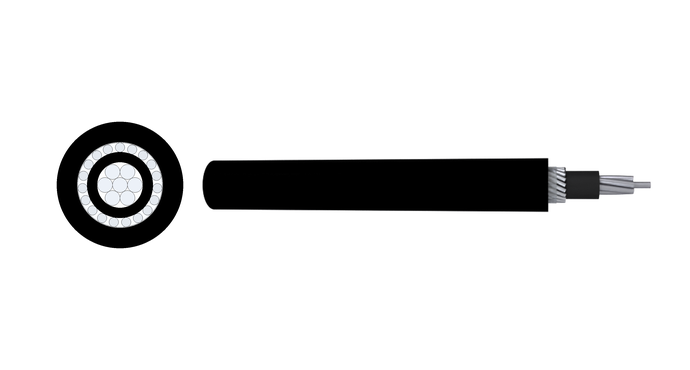
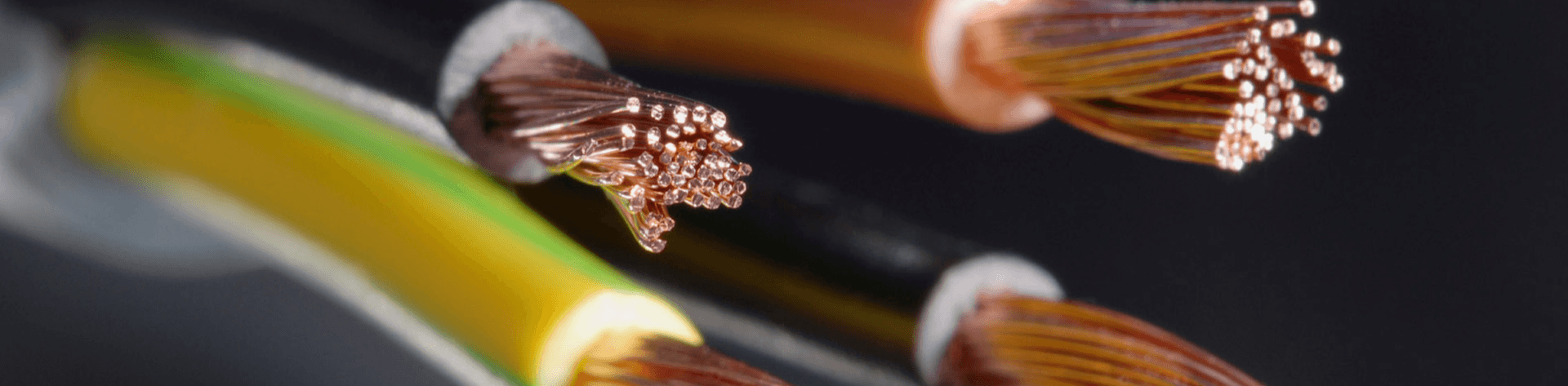
Plain bare hard-drawn or annealed Copper Conductor
Application
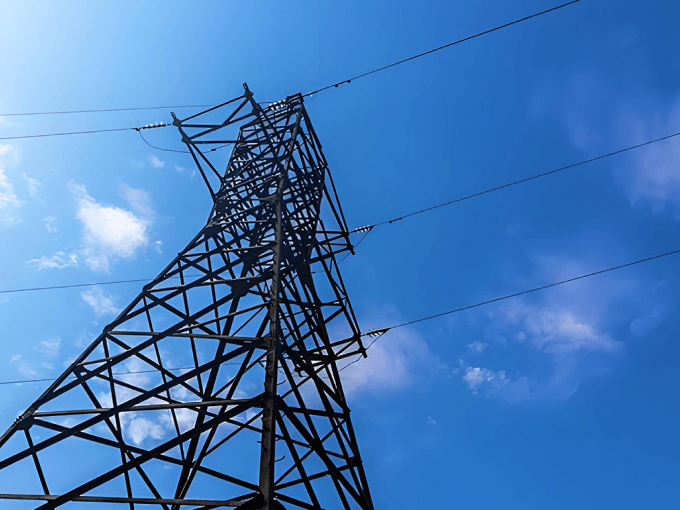
Used in overhead electrical distribution lines, grounding of electrical substations, electrical testing equipment, and various other electrical systems. Also suitable for a wide range of additional applications.

Applicable Standard
BS 7884, IEC 60228, ASTM B1, ASTM B2, ASTM B3,ASTM B8,AS/NZS 1125 or AS/NZS 1746
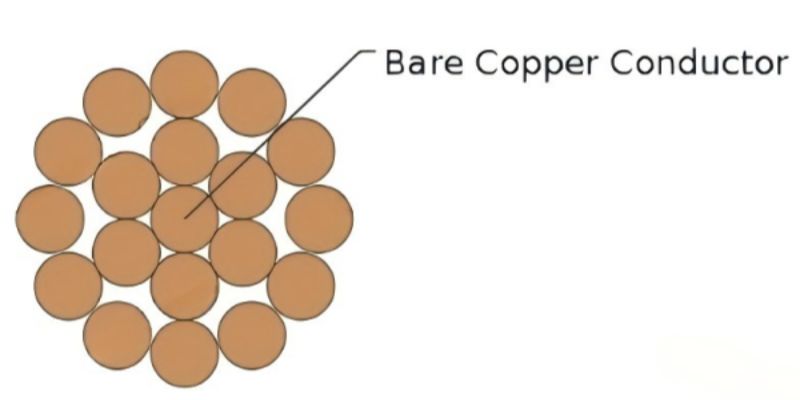
Construction
Technical Parameters
| Nominal Cross Section Area |
No./Nominal Dia. of Wire |
Approx.Overall Dia. |
Approx. Weight |
Nominal DC Resistance at 20℃ |
Nominal Breaking Load |
|
| Nominal | Max. | |||||
| mm2 | No./mm | mm | kg/km | Ω/km | Ω/km | N |
| 10 | 7/1.35 | 4.05 | 89.82 | 1.7880 | 1.8290 | 3752 |
| 14 | 7/1.60 | 4.80 | 126.2 | 1.2730 | 1.3030 | 5267 |
| 16 | 3/2.65 | 5.70 | 148.3 | 1.0820 | 1.1060 | 6194 |
| 16 | 7/1.70 | 5.10 | 142.4 | 1.1280 | 1.1540 | 5946 |
| 25 | 7/2.10 | 6.30 | 2173 | 0.7391 | 0.7563 | 9073 |
| 32 | 3/3.75 | 8.06 | 296.9 | 0.5405 | 0.5520 | 12400 |
| 32 | 7/2.46 | 738 | 298.2 | 0.5386 | 0.5497 | 12442 |
| 35 | 7/2.50 | 750 | 308.0 | 0.5215 | 0.5337 | 12860 |
| 50 | 7/3.00 | 9.00 | 443.5 | 0.3622 | 0.3706 | 18520 |
| 50 | 19/1.80 | 9.00 | 435.8 | 0.3727 | 0.3819 | 17700 |
| 70 | 7/3.55 | 10.65 | 621.1 | 0.2586 | 0.2646 | 25930 |
| 70 | 19/2.10 | 10.50 | 593.2 | 0.2738 | 0.2806 | 24090 |
| 95 | 19/2.50 | 12.50 | 840.7 | 0.1932 | 0.1980 | 34140 |
| 100 | 7/4.30 | 12.90 | 911.2 | 0.1763 | 0.1810 | 36540 |
| 120 | 19/2.80 | 14.00 | 1055 | 0.1540 | 0.1578 | 42830 |
| 125 | 19/2.90 | 14.50 | 1131 | 0.1436 | 0.1471 | 45940 |
| 150 | 19/3.20 | 16.00 | 1377 | 0.1180 | 0.1208 | 55940 |
| 150 | 37/2.25 | 15.75 | 1334 | 0.1233 | 0.1264 | 53880 |
| 185 | 19/3.55 | 1775 | 1695 | 0.09582 | 0.09815 | 68860 |
| 185 | 37/2.50 | 17.50 | 1647 | 0.09981 | 0.1024 | 66490 |
| Size | Nominal Cross Section Area |
No./Nominal Dia. of Wire |
Approximate Overal Dia. |
Approx. Weight |
Nominal Breaking Load |
Nominal DC Resistance at 20℃ |
|
| AWG | kcmils | mm2 | No./mm | mm | Kg/km | kN | Ω/km |
| 6 | 26240 | 13.3 | 7/1.56 | 4.67 | 121.0 | 6.0 | 1.3800 |
| 4 | 41740 | 21.1 | 7/1.96 | 5.88 | 192.0 | 9.6 | 0.8650 |
| 2 | 66360 | 33.6 | 7/2.47 | 742 | 305.0 | 14.9 | 0.5440 |
| 1/0 | 105600 | 53.5 | 19/1.89 | 9.47 | 485.0 | 24.3 | 0.3420 |
| 2/0 | 133100 | 674 | 19/2.13 | 10.60 | 611.0 | 30.3 | 0.2710 |
| 4/00 | 211600 | 1072 | 19/2.68 | 13.40 | 972.0 | 47.7 | 0.1710 |
| 250 | 250000 | 126.7 | 37/2.09 | 14.60 | 1149.0 | 57.0 | 0.1440 |
| 300 | 300000 | 152.0 | 37/2.29 | 16.00 | 1379.0 | 68.4 | 0.1200 |
| 350 | 350000 | 1773 | 37/2.47 | 1730 | 1609.0 | 78.9 | 0.1030 |
| 400 | 400000 | 202.7 | 37/2.64 | 18.50 | 1838.0 | 90.2 | 0.0900 |
| 500 | 500000 | 253.4 | 37/2.95 | 20.70 | 2298.0 | 111.5 | 0.0720 |
| 600 | 600000 | 304.0 | 61/2.52 | 22.70 | 2758.0 | 135.3 | 0.0600 |
| 700 | 700000 | 354.7 | 61/2.72 | 24.50 | 3216.0 | 1578 | 0.0520 |
| 750 | 750000 | 380.0 | 61/2.82 | 25.30 | 3447.0 | 169.1 | 0.0480 |
| 800 | 800000 | 405.4 | 61/2.91 | 26.20 | 3676.0 | 178.4 | 0.0450 |
| 900 | 900000 | 456.0 | 61/3.09 | 27.80 | 4136.0 | 200.6 | 0.0400 |
| 1000 | 1000000 | 506.7 | 61/3.25 | 29.30 | 4596.0 | 223.0 | 0.0360 |
| Size | Nominal Cross Section Area |
No./Nominal Dia. of Wire |
Approx.Overall Dia. |
Approx. Weight |
Nominal Breaking Load |
Nominal DC Resistance at 20℃ |
|
| AWG | kcmils | mm2 | No./mm | mm | kg/km | kN | Ω/km |
| 4 | 41740 | 21.1 | 7/1.96 | 5.88 | 192.0 | 9.6 | 0.8650 |
| 2 | 66360 | 33.6 | 7/2.47 | 742 | 305.0 | 14.9 | 0.5440 |
| 1/0 | 105600 | 53.5 | 7/3.12 | 9.36 | 485.0 | 23.5 | 0.3420 |
| 2/0 | 133100 | 674 | 7/3.50 | 10.50 | 611.0 | 29.3 | 0.2710 |
| 4/0 | 211600 | 107.2 | 7/4.42 | 13.20 | 972.0 | 45.0 | 0.1710 |
| 250 | 250000 | 126.7 | 19/2.91 | 14.60 | 1149.0 | 56.4 | 0.1440 |
| 300 | 300000 | 152.0 | 19/3.19 | 16.00 | 1379.0 | 66.9 | 0.1200 |
| 350 | 350000 | 1773 | 19/3.45 | 17.20 | 1609.0 | 77.1 | 0.1030 |
| 400 | 400000 | 202.7 | 19/3.69 | 18.40 | 1838.0 | 870 | 0.0900 |
| 500 | 500000 | 253.4 | 37/2.95 | 20.70 | 2298.0 | 111.5 | 0.0720 |
| 600 | 600000 | 304.0 | 37/3.23 | 22.60 | 2758.0 | 133.8 | 0.0600 |
| 700 | 700000 | 354.7 | 61/2.72 | 24.50 | 3216.0 | 1578 | 0.0520 |
| 750 | 750000 | 380.0 | 61/2.82 | 25.30 | 34470 | 169.1 | 0.0480 |
| 800 | 800000 | 405.4 | 61/2.91 | 26.20 | 3676.0 | 178.4 | 0.0450 |
| 900 | 900000 | 456.0 | 61/3.09 | 2780 | 4136.0 | 200.6 | 0.0400 |
| 1000 | 1000000 | 506.7 | 61/3.25 | 29.30 | 4596.0 | 223.0 | 0.0360 |
| Size | Nominal Cross Section Area |
No./Nominal Dia. of Wire |
Approximate Overal Dia. |
Approx. Weight |
Nominal Breaking Load |
Nominal DC Resistance at 20℃ |
|
| AWG | Cmils | mm2 | No./mm | mm | Kg/km | kN | Ω/km |
| 6 | 26240 | 13.3 | 7/1.56 | 4.67 | 121.0 | 6.0 | 1.3800 |
| 4 | 41740 | 21.1 | 7/1.96 | 5.88 | 192.0 | 9.6 | 0.8650 |
| 2 | 66360 | 33.6 | 7/2.47 | 742 | 305.0 | 14.9 | 0.5440 |
| 1/0 | 105600 | 53.5 | 19/1.89 | 9.47 | 485.0 | 24.3 | 0.3420 |
| 2/0 | 133100 | 674 | 19/2.13 | 10.60 | 611.0 | 30.3 | 0.2710 |
| 4/0 | 211600 | 1072 | 19/2.68 | 13.40 | 972.0 | 47.7 | 0.1710 |
| 250 | 250000 | 126.7 | 37/2.09 | 14.60 | 1149.0 | 57.0 | 0.1440 |
| 300 | 300000 | 152.0 | 37/2.29 | 16.00 | 1379.0 | 68.4 | 0.1200 |
| 350 | 350000 | 1773 | 37/2.47 | 1730 | 1609.0 | 78.9 | 0.1030 |
| 400 | 400000 | 202.7 | 37/2.64 | 18.50 | 1838.0 | 90.2 | 0.0900 |
| 500 | 500000 | 253.4 | 37/2.95 | 20.70 | 2298.0 | 111.5 | 0.0720 |
| 600 | 600000 | 304.0 | 61/2.52 | 22.70 | 2758.0 | 135.3 | 0.0600 |
| 700 | 700000 | 354.7 | 61/2.72 | 24.50 | 3216.0 | 1578 | 0.0520 |
| 750 | 750000 | 380.0 | 61/2.82 | 25.30 | 3447.0 | 169.1 | 0.0480 |
| 800 | 800000 | 405.4 | 61/2.91 | 26.20 | 3676.0 | 178.4 | 0.0450 |
| 900 | 900000 | 456.0 | 61/3.09 | 27.80 | 4136.0 | 200.6 | 0.0400 |
| 1000 | 1000000 | 506.7 | 61/3.25 | 29.30 | 4596.0 | 223.0 | 0.0360 |
| Stranding | Nom. Overall Diam. |
Cross Section |
Approx. Weight |
Calculated Breaking Load |
Final Modulus of Elasticity |
Elongation Coef. |
| No./mm | mm | mm2 | KG/KM | KN | MPA | 10E-6/℃ |
| 7/1.00 | 3.0 | 5.5 | 49.3 | 2.32 | 120000 | 17 |
| 7/1.75 | 5.25 | 16.8 | 151 | 6.89 | 120000 | 17 |
| 7/2.00 | 6.0 | 22 | 197 | 8.89 | 120000 | 17 |
| 7/2.75 | 8.25 | 41.6 | 375 | 16.2 | 120000 | 17 |
| 19/1.75 | 8.75 | 45.7 | 413 | 18.3 | 118000 | 17 |
| 19/2.00 | 10.0 | 59.7 | 538 | 23.6 | 118000 | 17 |
| 7/3.50 | 10.5 | 67.4 | 607 | 25.4 | 120000 | 17 |
| 37/1.75 | 12.3 | 89 | 806 | 35.6 | 117000 | 17 |
| 19/2.75 | 13.8 | 113 | 1020 | 43.1 | 118000 | 17 |
| 19/3.00 | 15.0 | 134 | 1210 | 50.8 | 118000 | 17 |
| 37/2.50 | 17.5 | 182 | 1640 | 70.3 | 117000 | 17 |
| 37/2.75 | 19.3 | 220 | 1990 | 83.9 | 117000 | 17 |
| 37/3.00 | 21.0 | 262 | 2370 | 98.9 | 117000 | 17 |
| 61/2.75 | 24.8 | 362 | 3290 | 138.0 | 117000 | 17 |
| 7/3.75 | 11.3 | 77.3 | 696 | 28.8 | 120000 | 17 |
FAQs
Bare copper conductor has excellent electrical conductivity and durability, but it also has some limitations. Since it does not have an insulation layer, it requires careful installation to prevent accidental contact with other conductive materials, which may cause short circuits or safety hazards. Bare copper conductors are also more exposed to environmental factors such as moisture, chemicals, and mechanical damage. Compared with aluminum conductors, copper has a higher material cost and greater weight, which may increase transportation and installation costs in large-scale power projects.
The value of a bare copper conductor depends mainly on copper market prices, conductor purity, size, weight, and application requirements. Since bare copper conductors contain a high percentage of pure copper, they generally have a higher recycling value than insulated copper wires. The actual price changes with global copper market conditions and supplier factors. For industrial projects, the final cost is usually calculated based on conductor specifications, quantity, standards, and delivery requirements.
Yes, bare copper conductor can get wet, and copper has good resistance to corrosion compared with many other metals. However, continuous exposure to moisture, salt, chemicals, or harsh environments may cause oxidation and affect long-term reliability. Bare copper conductors used in outdoor grounding systems, substations, or industrial environments should be installed according to relevant electrical standards and environmental conditions to ensure safe and stable performance.
Bare copper conductor is generally not used as a neutral conductor in standard electrical wiring systems. Neutral conductors typically require insulation and proper identification according to electrical codes. However, bare copper conductors are widely used for grounding and bonding applications because they provide excellent electrical conductivity and reliable fault current paths. The selection of neutral conductors should always follow local electrical regulations and project requirements.
Yes, bare copper conductor does tarnish when exposed to air and moisture. Copper naturally reacts with oxygen to form a thin layer of copper oxide, and in the presence of sulfur compounds, it forms copper sulfide. This tarnishing process can begin within days or weeks, resulting in a brown, dark, or greenish patina. While some sources note that this oxidation layer is only a few molecules thick and may then stop further oxidation (unlike iron rust, which continues to penetrate), it is still a concern for electrical performance. The tarnish, which can be a semiconductor, increases electrical resistance at connection points and can degrade performance over time. In critical applications, tarnished connections should be cleaned before termination.
Bare copper conductors are widely used in grounding, bonding, power distribution, electrical substations, telecommunications, and industrial electrical systems. They are commonly applied as grounding electrodes, grounding grids, lightning protection conductors, and equipment bonding conductors because copper provides excellent conductivity and corrosion resistance. Bare copper conductors are also used in applications where exposed conductors are allowed by electrical standards and system designs.
The cost of bare copper conductor depends on factors such as copper market price, conductor size, purity, weight, manufacturing standards, and order volume. Larger conductors generally have a higher total cost due to the greater amount of copper used. For bulk purchases, pricing is usually based on current copper prices plus manufacturing, packaging, and transportation costs. Customers should provide conductor specifications and project requirements to receive an accurate quotation.