

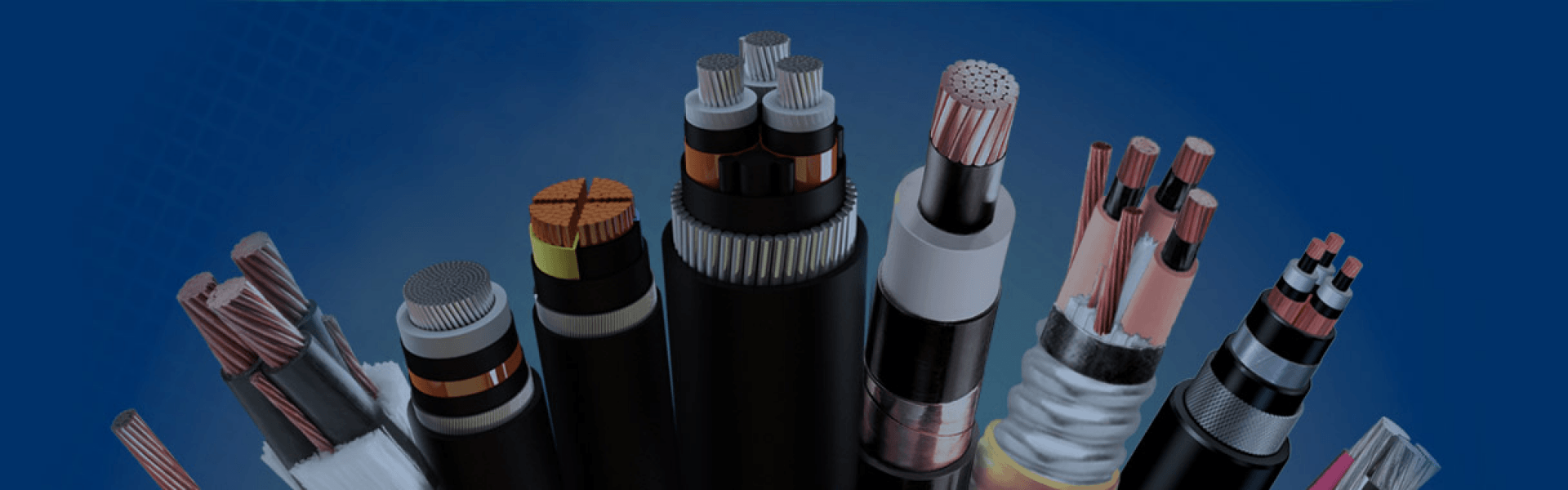
Industrial Cable
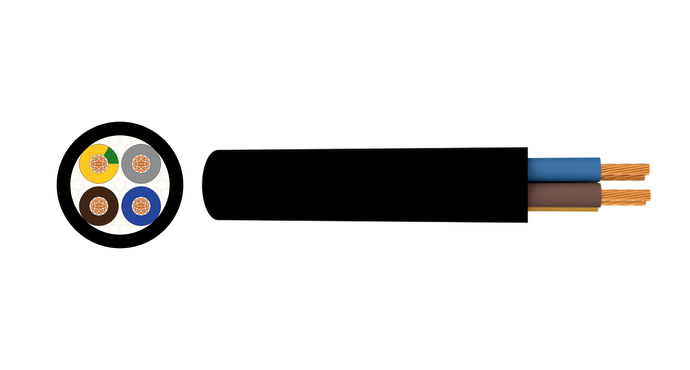
Industrial cables are designed for demanding industrial environments where stable electrical performance, mechanical durability, and long-term reliability are essential. We supply a wide range of industrial cable solutions for power transmission, control systems, instrumentation, automation equipment, machinery, and industrial facilities. Our product range includes control cables, flexible cables, instrumentation cables, industrial power cables, and signal cables used in factories, processing plants, construction projects, mining operations, energy systems, and heavy-duty industrial equipment.
Compared with ordinary residential or commercial wiring, industrial cables are built to operate under much harsher conditions. Industrial environments often involve oil exposure, chemicals, moisture, vibration, abrasion, UV exposure, continuous movement, and high mechanical stress. In these conditions, standard cables may experience insulation damage, signal interference, cracking, or reduced service life. Industrial cables are engineered with stronger insulation materials, flexible conductors, shielding structures, and protective jackets to ensure reliable operation even in difficult working environments.
Different industrial applications require different cable structures and performance characteristics. Flexible industrial cables are commonly used in robotics, automation systems, and moving machinery where continuous bending is required. Shielded instrumentation and control cables help reduce electromagnetic interference and maintain stable signal transmission in sensitive industrial systems. Rubber and heavy-duty industrial cables provide excellent resistance to oil, weather, chemicals, and mechanical impact, making them suitable for outdoor installations and harsh operating conditions.
Using the right industrial cable is important not only for electrical performance, but also for operational safety and maintenance efficiency. High-quality industrial cables can help reduce equipment downtime, improve system stability, and lower long-term replacement and maintenance costs. Many industrial cables are also designed with flame retardant, UV resistant, oil resistant, and chemical resistant properties to support safe and reliable operation in complex industrial environments. With excellent flexibility, strong mechanical durability, stable signal transmission, and long service life, industrial cables play an essential role in modern industrial infrastructure and automation systems.
Industrial Cable Product Categories
| Cable Type | Description |
| Control Cable | Used for transmitting control signals in industrial automation systems, machinery, control panels, and production equipment. |
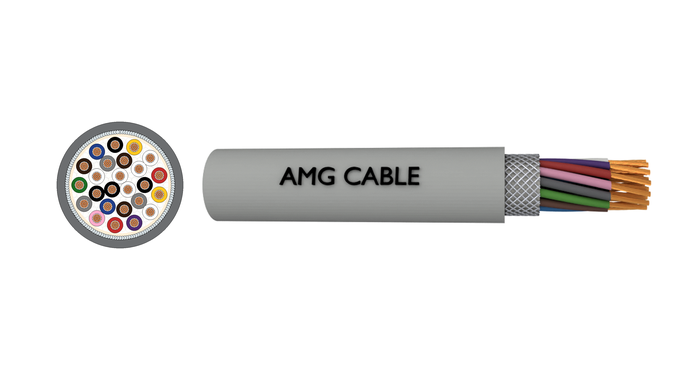
| Flexible Control Cable | Designed for applications requiring repeated bending and movement, commonly used in robotics, drag chains, and automated systems. |
| Instrumentation Cable | Used for low-voltage signal and data transmission in process control, instrumentation, and monitoring systems. |
| Industrial Power Cable | Designed for industrial power distribution and electrical equipment operating in harsh environments. |
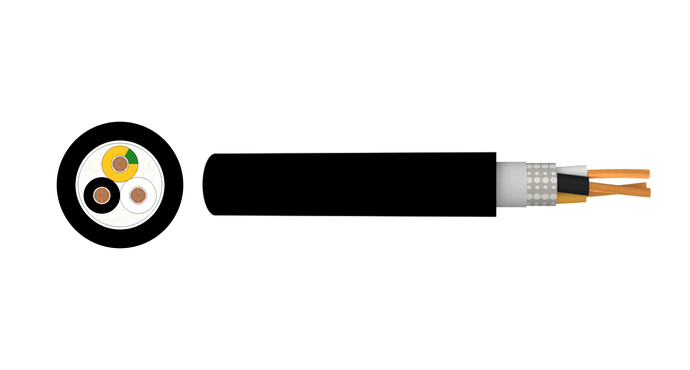
| Shielded Cable | Provides protection against electromagnetic interference (EMI) and helps maintain stable signal transmission. |
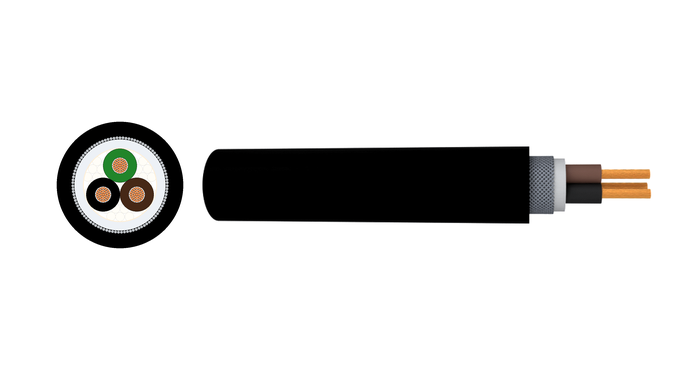
| Armored Cable | Features additional mechanical protection for underground, outdoor, or heavy-duty industrial installations. |
| Rubber Cable | Offers excellent flexibility, abrasion resistance, and weather resistance for portable and outdoor equipment. |
| Tray Cable | Suitable for cable tray installations in industrial plants, factories, and commercial facilities. |
| Drag Chain Cable | High-flex cable designed for continuous movement in cable carriers and automated machinery. |
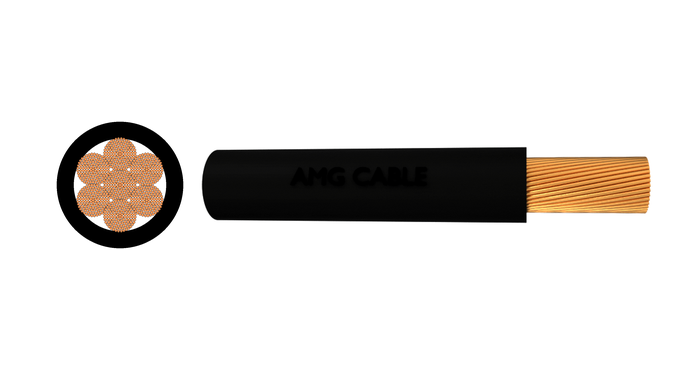
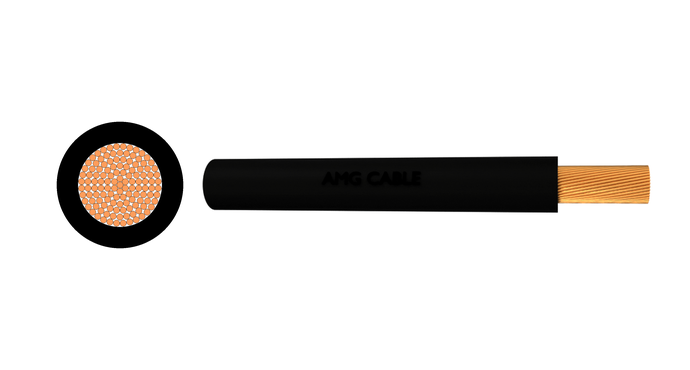
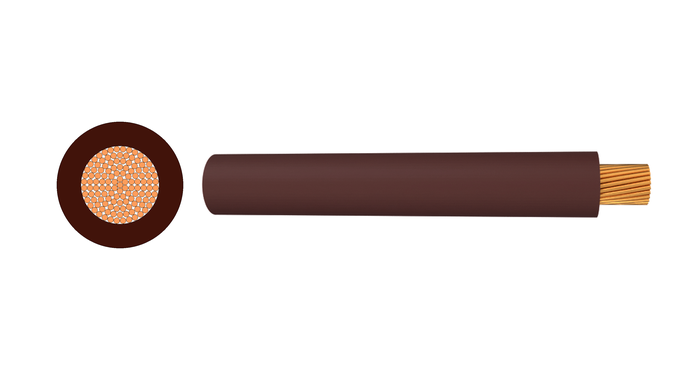
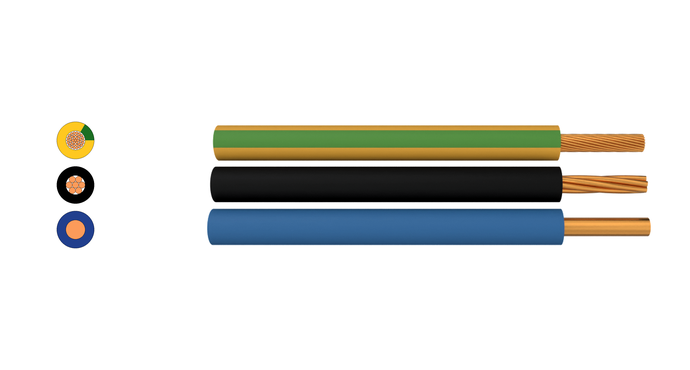
| Welding Cable | Flexible power cable used for welding machines and portable electrical equipment. |
Industrial Cable
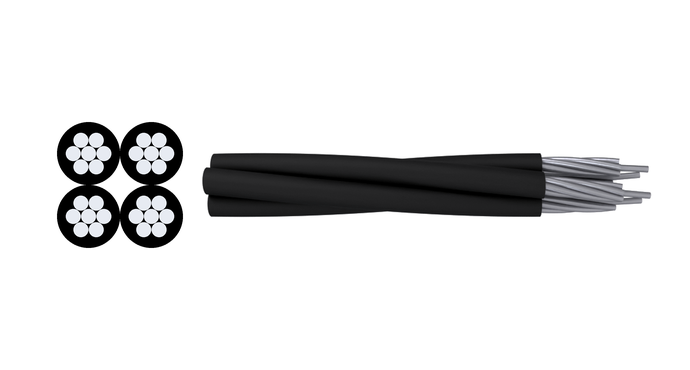
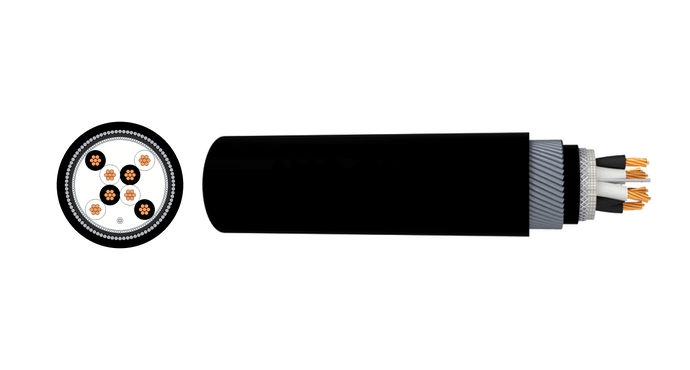
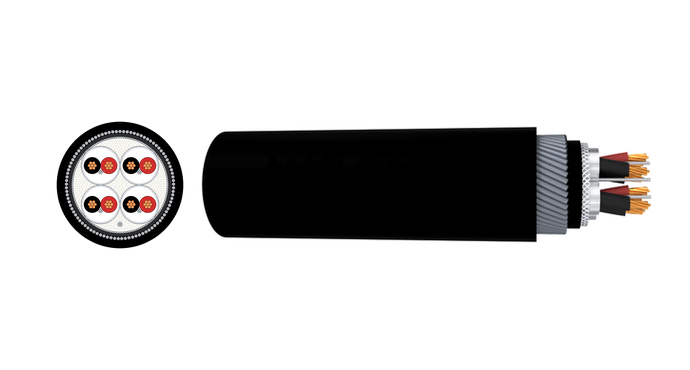
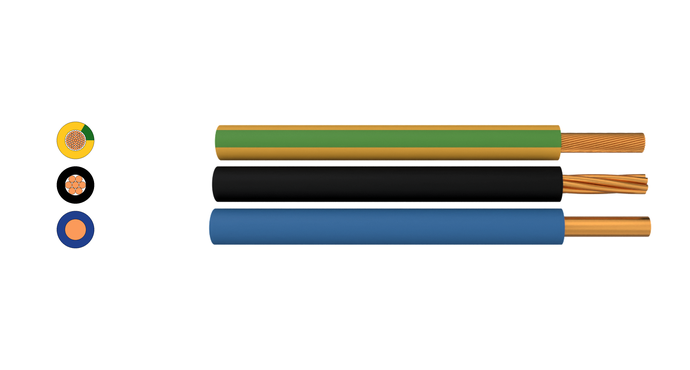
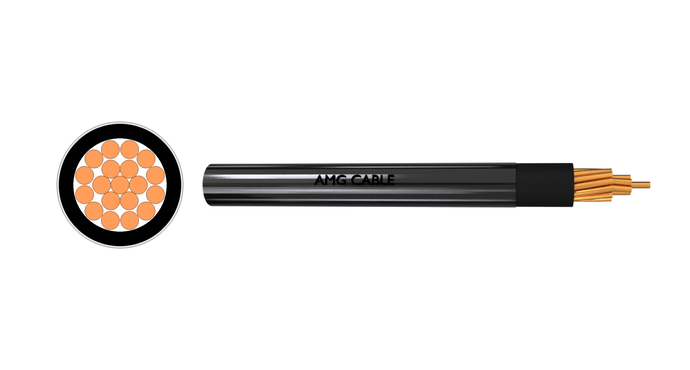
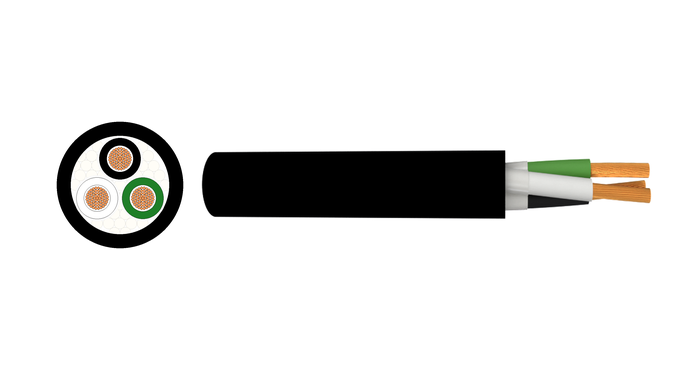
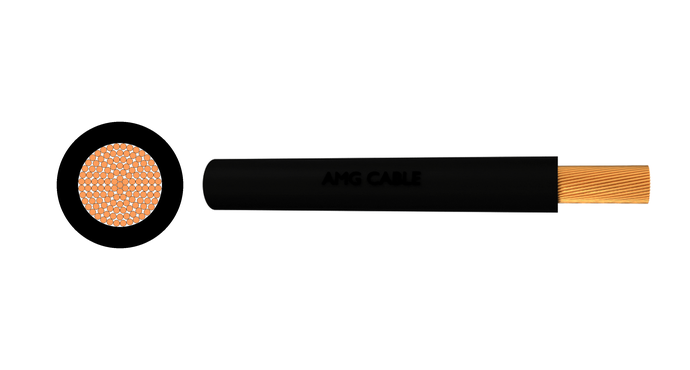
Get A Free Quote
Need Help?
Your Trusted Business Partner for Professional Cable Solutions
/ AMG FAQ /
Frequently Asked Questions
- Start with the application. Power, control or instrumentation? This dictates conductor size, insulation and whether shielding is required.
- Confirm voltage rating. Match the cable’s rated voltage — 300/500V, 450/750V or 0.6/1kV — to the system. Under-rating is a safety failure.
- Evaluate the environment. Oil, chemicals, moisture, UV or extreme heat demand specific jacket materials — PVC, CPE, XLPE, rubber or silicone.
- Consider mechanical stress. Fixed installation needs standard construction; occasional flexing calls for stranded conductors; continuous movement requires a drag chain cable like TRVV.
- Decide on shielding. Screened cables (CY, instrument types) protect signals near motors and drives. Steel braid (SY) or armour adds physical protection instead.
- Check regional standards. Ensure compliance with AS/NZS, HAR/EN or UL/NEC as required for the installation site.
- Account for installation. Bend radius, strain relief and proper glanding all affect on-site reliability.
- Think service life, not just price. A cable that lasts ten years costs far less than repeated replacements in downtime and labour.
You can source reliable suppliers for industrial cables through three main channels:
- Direct Specialized Manufacturers: For project-level procurement, partnering directly with dedicated manufacturers offers custom OEM capabilities, bulk pricing, and strict regulatory compliance. Specialized providers like AMG Cable offer comprehensive, rugged product portfolios—ranging from high-flexing drag chain wires to UL-listed tray cables—specifically engineered to handle severe factory environments and prevent operational downtime.
- B2B Sourcing Platforms: Digital marketplaces such as ThomasNet (for North America) and Alibaba (for global trade) allow you to filter factories by specific certifications, compare minimum order quantities (MOQs), and request custom technical datasheets.
- Global Industrial Distributors: Large-scale supply chain companies like Wesco (Anixter), Graybar, and Mouser stock massive inventories of standard pre-certified wires, making them ideal for quick-ship maintenance, repair, and operations (MRO) needs.
Balancing direct engineering relationships with specialized partners like AMG Cable alongside broad commercial distributors ensures you meet both your custom technical specifications and your project budget targets.
Industrial cable spools (reels) vary widely based on the cable’s diameter and length:
- Small Reels (Plastic/Cardboard): Typically 12 to 24 inches in diameter. Used for lightweight hook-up wires or thin signal cables (usually 100-meter or 500-foot lengths).
- Medium Wooden Reels: Typically 30 to 48 inches in diameter. Standard for multi-core control cables and lighter rubber power cords.
- Heavy-Duty Master Reels (Wooden/Steel): Can range from 60 to over 96 inches (5 to 8+ feet) in diameter. These transport thousands of feet of heavy armored power cable or medium-voltage lines and require forklifts or cranes to move.
Industrial cables themselves carry electrical loads, not structural weights. However, the relevant figure for handling is the maximum pulling tension during installation, which is specified by the manufacturer and depends on conductor material, cross-sectional area, and construction. For instance, a typical 15 kV copper TECK90 cable may have a maximum pulling tension of approximately 355 kg (783 lbs). Beyond installation, cables are rated by their mechanical load-bearing capacity in dynamic applications such as reeling systems, where permitted tensile loads (measured in Newtons) are defined based on the conductor cross-section and stranding class. Always consult the manufacturer’s data sheet — exceeding the rated pulling tension can damage conductors and compromise insulation integrity. It is also important to distinguish this from the supported mass of a cable when it is fixed vertically: the cable must be able to support its own weight over the installed vertical drop.
Industrial cable sizing is a precise engineering process determined by five primary factors:
- Amperage Load (Current): The total continuous and non-continuous current the circuit must carry.
- Voltage Drop: For long cable runs, sizes are increased to prevent power loss (typically keeping voltage drop under 3% to 5%).
- Temperature Rating & Derating: The ambient environment matters. If cables are bundled together or run in hot factory areas, their current-carrying capacity drops, requiring a larger size.
- Installation Method: Cables run in free, open air dissipate heat better—and can therefore be smaller—than cables packed inside sealed underground conduits.
- Code Compliance: Sizing must strictly follow regional electrical codes, such as the National Electrical Code (NEC) tables in the US or IEC/AS/NZS standards globally.
An industrial cable tray is a structural support system designed to securely hold, route, and organize electrical cables throughout a facility. Made of galvanized steel, aluminum, or fiberglass, they typically resemble rigid ladders, ventilated troughs, or wire baskets. Cable trays act as an open alternative to rigid conduit piping, making it much easier for maintenance teams to inspect, add, or replace cables over time.
An industrial electric cable transmits power, control signals, or data within industrial machinery and infrastructure. The specific functions break down by cable type: power cables convey electrical energy from distribution panels to equipment and motors; control cables carry low-voltage command and monitoring signals between automation systems and field devices; instrumentation cables transmit precise low-energy measurement signals from sensors and transmitters to process control systems; and data cables handle high-speed communication within production networks. What distinguishes industrial cables from standard building wire is their ability to perform these functions reliably under extreme temperatures, moisture, chemicals, and physical stress that would cause ordinary cables to fail prematurely
An industrial cable tray is a structural support system designed to securely hold, route, and organize electrical cables throughout a facility. Made of galvanized steel, aluminum, or fiberglass, they typically resemble rigid ladders, ventilated troughs, or wire baskets. Cable trays act as an open alternative to rigid conduit piping, making it much easier for maintenance teams to inspect, add, or replace cables over time.
Industrial cables utilize different metals depending on the layer’s function:
- Conductors (Power/Signal): High-purity Copper (often tinned to prevent oxidation) due to its excellent conductivity, and Aluminum (used in large power feeds for its lightweight and cost-effective properties).
- Shielding (EMI Protection): Tinned copper braids, aluminum foil, or copper tape wrapped around the inner cores to block electrical noise.
- Armoring (Mechanical Defense): Galvanized steel wires (used in SY or SWA cables) or aluminum interlocking armor designed to protect the cable from physical crushing and impact.

Have Questions?
Get in Touch with Us.
AMG Cable Group support 24*7 service and technical assistance.
Phone /Whatsapp / Wechat
+86 188 3803 6118Address
High-Tech Industrial Development Zone,Zhengzhou City,Henan Province,ChinaSend Us a Message
Please feel free to leave a message. We will reply in 24 hours.
/ AMG WIRE&CABLE /
Your trusted partner in high- performance wire and cables
Our team stands by 24/7, responding promptly to
inquiries and providing most quotations within 24 hours.