

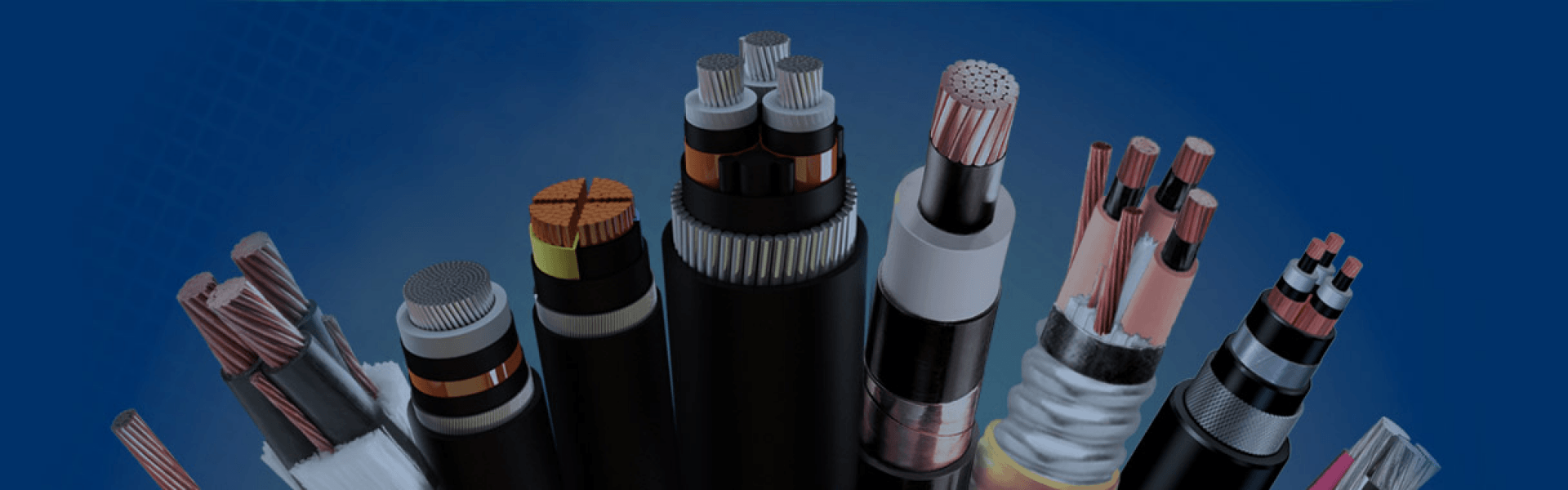
Single Core Cable
Single core cable is a cable built around one insulated conductor, used to carry power through a single electrical path. The conductor can be solid or stranded copper or aluminium, depending on the required flexibility, current capacity, and installation method. Single core cables are commonly used in building wiring, switchboards, distribution panels, grounding systems, industrial equipment, and medium-voltage power circuits where a dedicated conductor is required.
We supply a wide range of single core power and wiring cables for different voltage levels, installation conditions, and project standards. Our range includes PVC, XLPE, LSZH, screened, armoured, and medium-voltage single core cables, covering applications from fixed building wiring and panel connections to industrial distribution and utility power networks. Instead of offering only standard products, we help customers choose the right cable based on voltage, conductor material, insulation type, installation environment, and required standard.
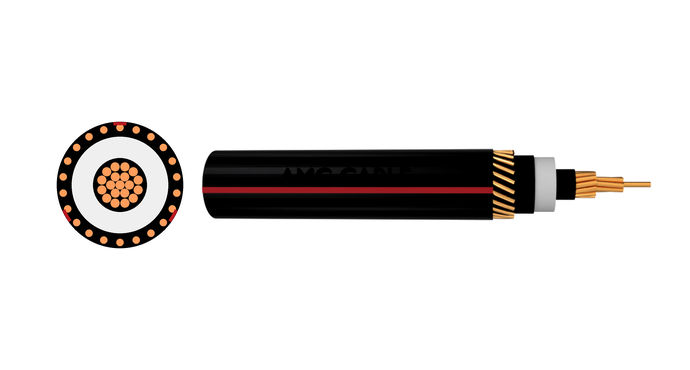
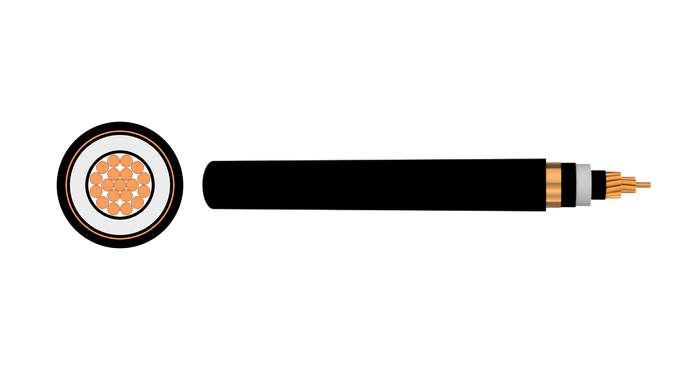
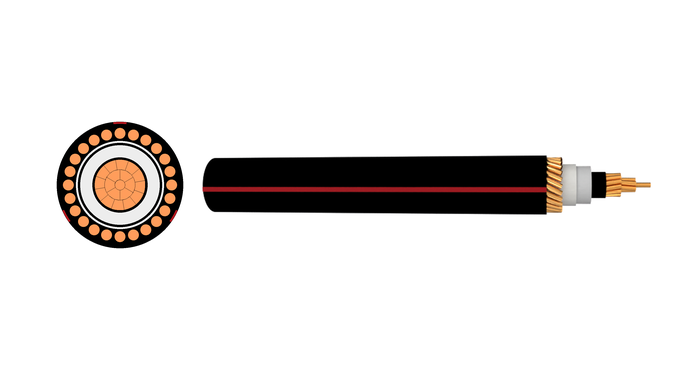
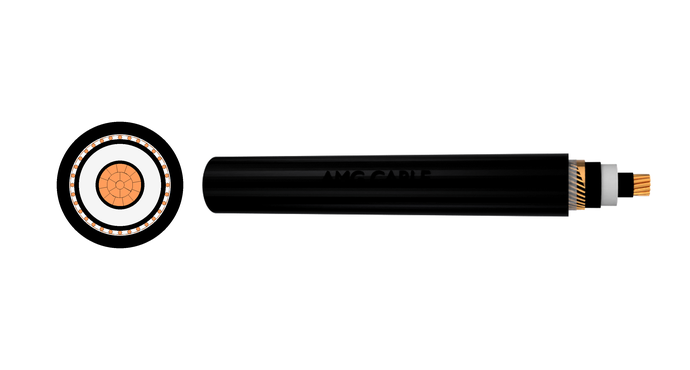
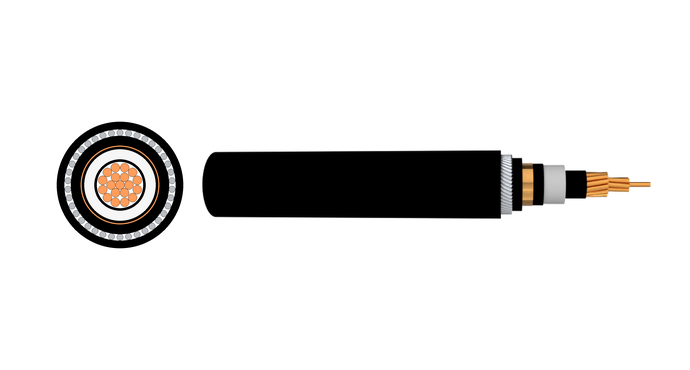
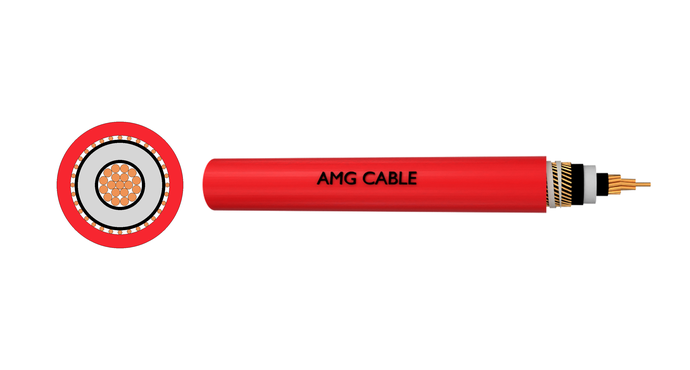
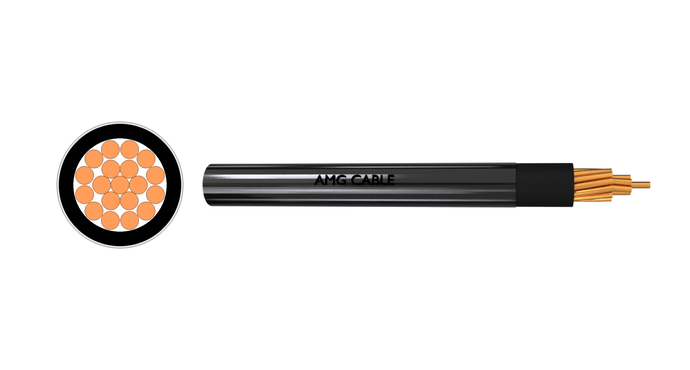
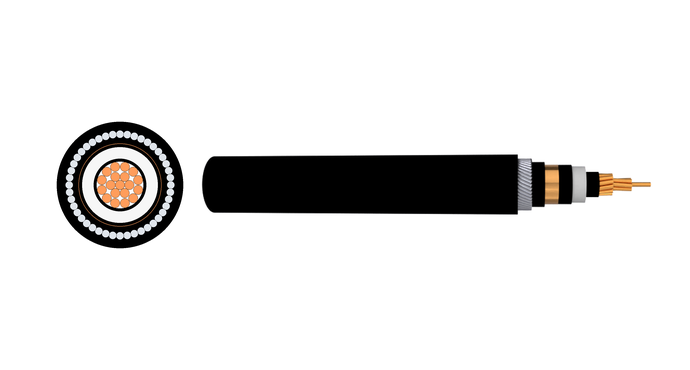
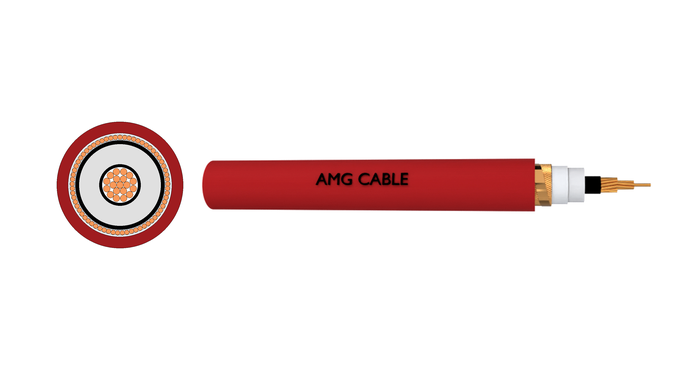
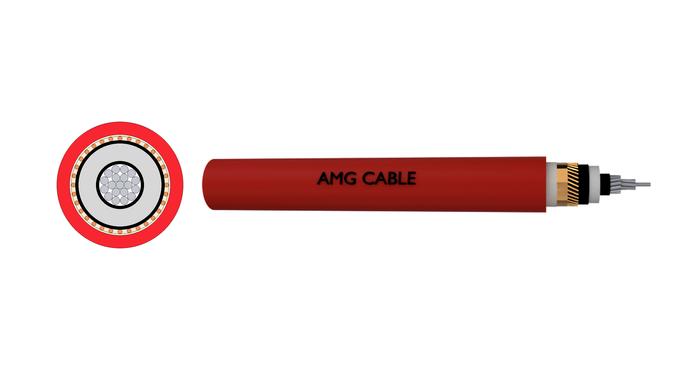
A typical single core cable consists of a conductor, insulation layer, and in some cases an outer sheath, screen, or armour depending on the application. Its main advantage is a simple structure, clear circuit separation, and strong suitability for fixed power circuits and higher-current installations. Single core cables are often preferred where engineers need flexible circuit design, reliable electrical performance, and a cable matched to a specific power, earthing, or medium-voltage duty.
How to Choose the Right Single Core Cable
| Application Environment | Key Requirements | Recommended Product Series |
| Low-voltage building & general wiring (residential, commercial, control panels) | ≤ 0.6/1kV, PVC insulated, single-core or earth cable | NYY Unipolar · THHN/THWN · TW/THW · AS/NZS 5000.1 (PVC & Earth) |
| Low-voltage flexible or fire-safe indoor use (equipment leads, public buildings) | 450/750V or 0.6/1kV, flexible, LSZH (X-HF-90) | H07Z1-K · AS/NZS 5000.1 X-HF-90 |
| Medium–voltage general power distribution (utility networks, industrial feeders, cable trays) | 6-30kV, XLPE insulated, non-armoured, PE or PVC sheath | N2XS2Y / NA2XS2Y · N2XSY / NA2XSY · RHZ1-AL OL · RH5Z1-OL |
| Medium-voltage with mechanical protection (direct burial, vertical runs, high-tension pulling) | 6-30kV, steel tape or wire armour | N2XSBY / NA2XSBY (YJV62/YJLV62) – tape armour N2XSRY / NA2XSRY (YJSV72/YJLSV72) – wire armour |
| Medium-voltage in harsh or fire-sensitive environments (wet areas, tunnels, hospitals, schools) | 6-30kV, waterproofing or LSZH (low smoke zero halogen) | Lead Sheathed Cable · RHZ1-AL 2OL / RH5Z1-2OL (water-blocking) RHZ1 (WDZ-YJLY / WDZ-YJY) · BS7835 (LSZH) |
| Medium-voltage to regional standards (UK, Australia/NZ, North America, 15kV URD) | Region-specific compliance (BS, AS/NZS, UL/NEC) | BS6622 (UK) · AS/NZS 1429.1 (ANZ) · MV-90/105 (wire/tape shield) · 15kV URD TR-XLP 133% |
| Railways and rolling stock (vibration, extreme temperatures, onboard equipment) | Medium voltage (e.g. 3kV), rubber insulated, flexible | NSGAFOEU · NSHXAFOE (halogen-free) |
Single Core Cable
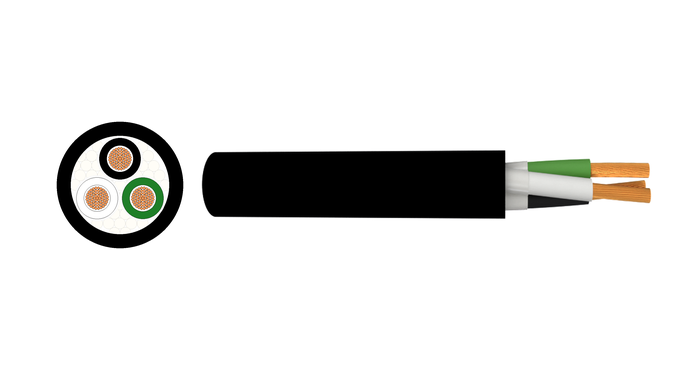
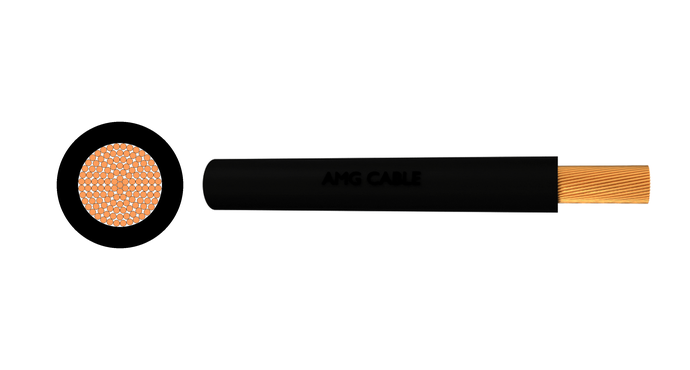
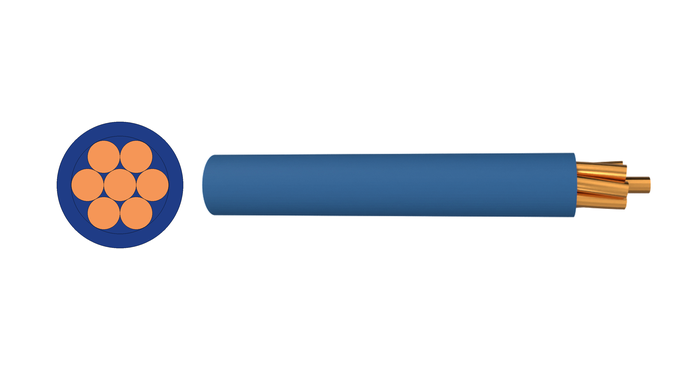
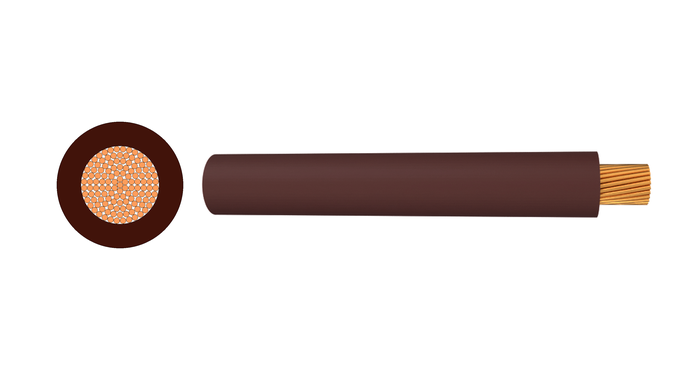
Get A Free Quote
Need Help?
Your Trusted Business Partner for Professional Cable Solutions
/ AMG FAQ /
Frequently Asked Questions
Single-core cables are primarily used in high-capacity, heavy-duty electrical systems where managing large electrical currents and heat dissipation is critical.
Typical applications include:
- Utility Power Grids & Substations: Transporting medium-to-high voltage power over long distances.
- Industrial Plants: Powering large motors, generators, and heavy-duty machinery.
- Underground Residential Distribution (URD): Providing reliable, direct-buried main power lines.
- Mass Transit Systems: Supplying power to railway networks, subways, and signaling equipment.
- Commercial Infrastructure: Serving as main risers and feeder lines in high-rise power distribution panels.
Circulating currents occur in the metal sheath of single core cables when both ends of the sheath are grounded. These currents cause additional losses, increase cable temperature, reduce transmission efficiency, and accelerate insulation aging.
Common methods to control and suppress circulating currents include:
- Single-point grounding -Earthing the metal sheath at only one end prevents the formation of a closed circuit, eliminating circulating current.
- Introducing grounding resistance -Adding resistance at both ends disrupts the balance of the induction circuit and suppresses induced circulating current.
- Cross-bonding -For long cable runs, the sheath is divided into sections and cross-bonded to balance induced voltages and minimize circulating currents.
- Series resistance grounding -A series-resistance-based grounding method can suppress transient circulating currents at cable terminals.
The goal is to find the right balance: single-point grounding eliminates circulating current but leaves an induced voltage at the unearthed end, which must be managed for safety.
A Megger test (Insulation Resistance test) checks the structural integrity of the cable’s insulation by applying a high DC voltage and measuring the resistance.
- Step-by-Step Procedure:
Isolate and Discharge: Disconnect both ends of the cable completely from any power source, busbars, or equipment. Connect the cable to the ground to discharge any stored capacitive energy safely.
- Connect the Leads:
- Connect the Line (L) lead of the Megger to the core copper or aluminum conductor.
- Connect the Earth (E) lead to the cable’s metallic screen, wire armor, or a verified ground terminal.
- (Optional) Connect the Guard (G) terminal to the exposed insulation surface to bypass any surface leakage currents that might distort your readings.
- Apply Test Voltage: Select the appropriate test voltage based on the cable’s rating (typically 500V or 1000V DC for low-voltage cables; 2.5kV or 5kV DC for medium-voltage cables).
- Take the Reading: Inject the voltage for a steady 60 seconds. A healthy cable will show an increasing resistance value, flattening out into a high range (typically hundreds of Megaohms to multiple Gigaohms).
The fundamental difference is the number of conductors inside the cable sheath.
| Feature | Single Core Cable | Multicore Cable |
| Conductors | One conductor per sheath | Multiple conductors (2 or more) per sheath |
| Application | Large, fixed electrical paths; power transmission and distribution | Multiple signals/currents in one cable |
| Flexibility | Can be more flexible depending on stranding | Generally less flexible due to multiple cores |
| Cost | More cost-effective to produce than multi-core alternatives | |
| Reliability | Higher reliability; failure in one core doesn’t affect others | Lower reliability; increased risk of short circuits |
| Space | Smaller diameter per core | Larger overall diameter |
Note: A multi-core cable is not the same as a multi-stranded wire. Multi-stranded refers to a single conductor made of multiple fine strands, while multi-core means multiple separately insulated conductors within one sheath.
For AC single core power cables, the armour must be made of non-magnetic material – typically aluminium wire armour (AWA).
Why? The alternating current in a single core cable produces a magnetic field around the conductor. If the armour were made of a ferromagnetic material like steel, this magnetic field would induce an electric current in the armour. This induced current (eddy current) would cause:
- Overheating of the cable
- Energy losses in the armour
- Reduced current-carrying capacity
Aluminium armour provides the necessary mechanical protection without the magnetic properties that cause these issues. It offers strength and resilience while preventing unwanted eddy current losses, improving energy efficiency and cable longevity.
Single core cables offer several practical advantages:
- Cost-effective -They can be produced significantly more cheaply than multi-core alternatives
- Space-saving -Each core has a smaller diameter, allowing for more compact installations
- Better heat dissipation -Individual cores are not bundled together, so heat can dissipate more effectively
- Higher reliability -A failure in one core does not affect other circuits
- Easier installation in some scenarios -Cores can be better distributed in cable trays or energy chains, which increases durability
- Flexibility -Stranded single core cables can be highly flexible, suitable for complex or tight installation environments
Yes, but the crimping technique depends on the type of conductor.
Stranded Single-Core Conductors (Class 2 / Class 5): These are perfectly suited for standard compression or hydraulic crimping using standard industrial terminal lugs.
Solid Single-Core Conductors (Class 1): Solid wire does not compress or reform like stranded wire. Standard multi-indented crimps designed for stranded wire can slip off solid wire or create air gaps that heat up under load. For solid cores, you must use terminals explicitly designed for solid wire, specialized mechanical shear-bolt lugs, or secure screw-clamp terminals.
Single-core cables are versatile and manufactured across all voltage thresholds:
- Low Voltage (LV): 300/500V, 450/750V, and 0.6/1kV (e.g., THHN building wire, NYY unipolar power lines).
- Medium Voltage (MV): 3.6/6kV, 6/10kV, 12/20kV, up to 35kV (e.g., URD distribution lines, N2XSY grid lines).
- High Voltage (HV & EHV): 66kV, 110kV, 220kV, up to 500kV+ for major cross-country transmission systems.
Flexibility depends entirely on the conductor class selected during manufacturing:
- Rigid/Fixed: Class 1 Solid conductors (like standard BV wires) are stiff and meant to stay permanently in place once bent.
- Standard Layout: Class 2 Stranded conductors strike a balance, offering the mild structural flexibility required to pull heavy power cables through industrial cable trays.
- Highly Flexible: Class 5 and Class 6 fine-stranded conductors (such as H07Z1-K for panels or NSGAFOEU rubber locomotive wire) are incredibly flexible and engineered for tight bends, vibrating machinery, or high-movement applications.
Earthing a single-core cable on one side only (Single-Point Bonding) is done to break the loop path for circulating currents.
By keeping one side ungrounded, you create an open circuit for the induced sheath voltage, ensuring that zero current can flow through the armor or screen. This prevents unnecessary heat generation and energy loss. The ungrounded end is typically protected by a Sheath Voltage Limiter (SVL) to ensure that voltage rises stay within safe touch-limits during surge events.
Single core cables are highly durable when selected and installed correctly for their intended application.
- Under normal operating and installation conditions, low voltage single core cables can have a lifespan of 30 years or more.
- Cables rated for continuous operation at elevated temperatures (e.g., 105°C) are designed for long-term thermal aging resistance.
- In demanding applications like energy chains, single core cables have demonstrated up to 25% longer service life compared to alternatives.
Durability depends on factors such as:
- Insulation material (XLPE, PVC, rubber, etc.)
- Environmental conditions (temperature, moisture, UV exposure)
- Mechanical stress (bending, vibration, abrasion)
- Proper installation and maintenance
When correctly specified for the application, single core cables provide reliable, long-lasting performance.

Have Questions?
Get in Touch with Us.
AMG Cable Group support 24*7 service and technical assistance.
Phone /Whatsapp / Wechat
+86 188 3803 6118Address
High-Tech Industrial Development Zone,Zhengzhou City,Henan Province,ChinaSend Us a Message
Please feel free to leave a message. We will reply in 24 hours.
/ AMG WIRE&CABLE /
Your trusted partner in high- performance wire and cables
Our team stands by 24/7, responding promptly to
inquiries and providing most quotations within 24 hours.