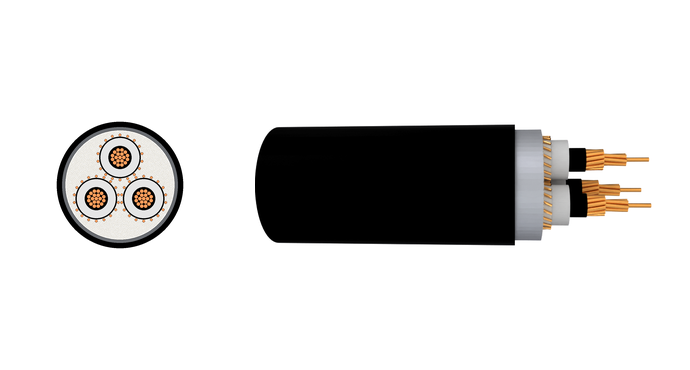
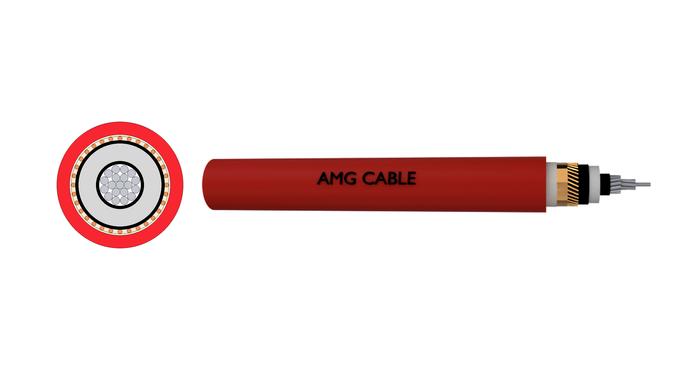
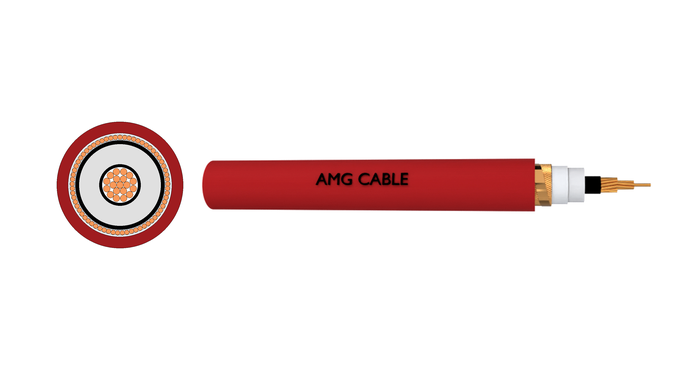
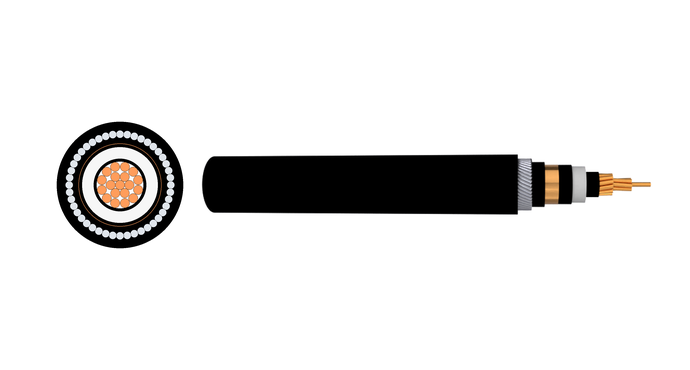
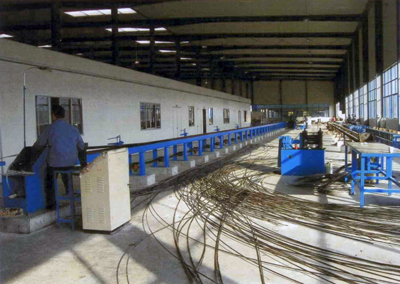
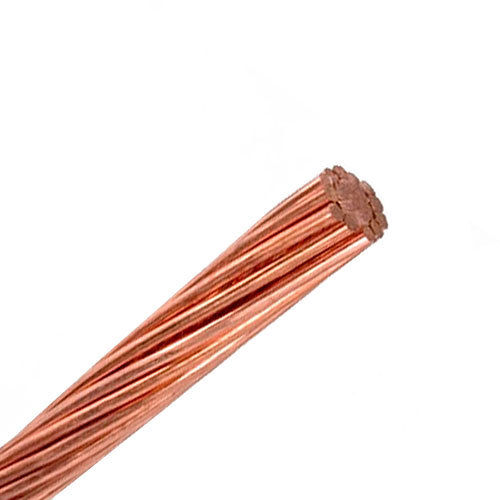
Cable armor is a metallic protective layer applied around certain cable constructions to improve mechanical protection. It is normally positioned over the bedding or inner sheath and beneath the outer sheath. Common armor materials include steel wire, steel tape, and aluminum wire.
The purpose of cable armor is not simply to make a cable stronger. It helps protect the cable from impact, crushing, mechanical stress and damage during installation or service. The appropriate armor construction depends on factors such as cable voltage, number of cores, installation method, mechanical requirements, environmental conditions and applicable standards.
In this guide, we explain what cable armor is, how armored cables are constructed, the main types and materials, where they are used, how AWA and SWA differ, and how to select an appropriate armor construction for a project.
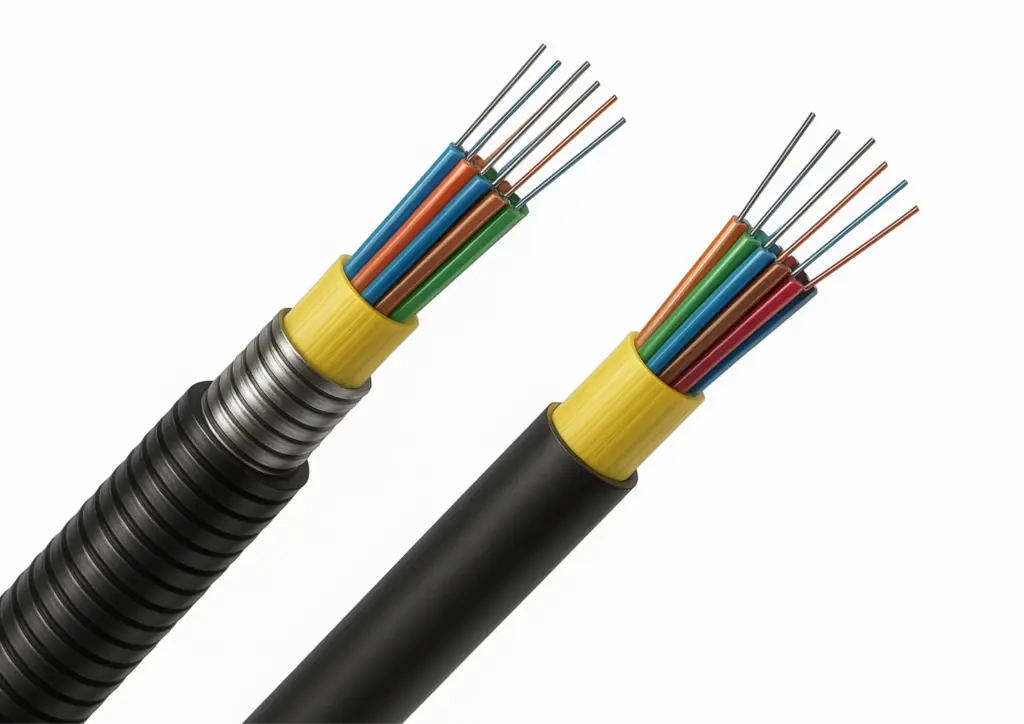
What Is Cable Armor?
Cable armor is a metallic protective layer incorporated into a cable construction to provide additional mechanical protection.
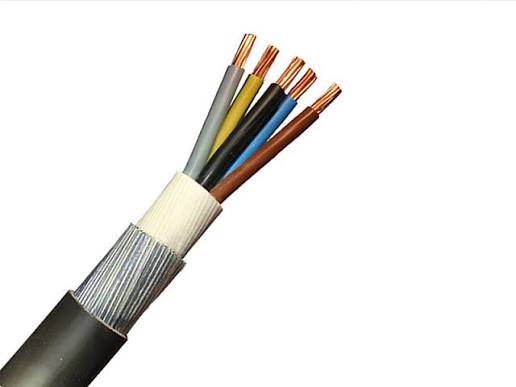
In a typical armored power cable, the armor is located outside the insulated conductors and bedding or inner sheath, but underneath the outer sheath. A simplified cable structure is:
Conductor → Insulation → Core Assembly → Bedding / Inner Sheath → Armor → Outer Sheath
The exact construction varies according to the cable type and applicable standard. Some medium- and high-voltage cables may also contain conductor screens, insulation screens, metallic screens, fillers, separators and other layers before the armor is applied.
The main function of armor is mechanical protection. It can reduce the risk of damage caused by impact, crushing, pulling forces and other external mechanical stresses. This makes armored cables useful in installations where the cable may be exposed to physical damage, including underground, outdoor, industrial and infrastructure applications.
Not every cable requires armor.
An unarmored cable may be completely suitable when the installation already provides sufficient mechanical protection, such as a protected indoor route or an appropriate conduit or duct. Adding armor can increase cable weight, diameter, stiffness and cost, so the decision should be based on the actual installation requirements.
In other words, the right question is not “Is armored cable better?” but rather “Does this installation require the additional mechanical protection provided by armor?”
What Does Cable Armor Do?
Cable armor primarily provides mechanical protection, but its exact role depends on the cable construction and installation system.
Protection Against Mechanical Damage
During installation and operation, cables can be exposed to physical forces from equipment, construction work, other cables, vehicles or surrounding structures.
A metallic armor layer provides an additional barrier around the cable core assembly. It can help reduce the likelihood that external mechanical damage will reach the insulation or conductor.
This is particularly useful in fixed power installations where the cable cannot be easily protected by a separate mechanical system.
Resistance to Crushing and Impact
Crushing can occur when a cable is buried underground, placed in a high-traffic area, installed in industrial facilities or exposed to heavy equipment.
Armor helps distribute external mechanical forces around the cable. The degree and type of protection depend on the armor design, material, thickness and applicable cable standard.
Steel wire armor and steel tape armor do not behave in exactly the same way under mechanical loads. Therefore, armor selection should consider whether the dominant risk is impact, crushing, tension or a combination of several forces.
Support During Installation
Some cable installations involve considerable pulling or mechanical stress.
Wire armor can provide mechanical reinforcement in certain cable designs, but it should not automatically be treated as a cable pulling rope. The manufacturer’s installation instructions, permitted pulling tension, bending radius and approved installation method must always be followed.
For vertical installations, cable weight and support arrangements also need to be considered separately.
Protection in Underground and Outdoor Installations
Underground cables can be exposed to backfill pressure, construction activity and accidental mechanical contact during later excavation.
Armored cables are therefore widely used for underground and outdoor fixed installations. For example, BS 5467 and BS 6724 armored cable constructions are used in applications including cable trays, ducts and direct burial, depending on the specific cable design.
Electrical or Earthing Functions
Metallic armor should not automatically be described as an electrical shield or grounding conductor.
Depending on the cable construction, installation system and applicable standard, metallic armor may have an earthing or fault-current-related function. However, this must be confirmed from the cable specification and electrical design.
Armor and cable shielding are also not interchangeable terms. A metallic screen may be designed primarily for electrical field control or electromagnetic performance, while armor is primarily intended for mechanical protection.
How Is Cable Armor Constructed?
Understanding the cable structure makes it easier to understand what armor actually does.
A typical armored cable can be described from the inside out as follows:
1. Conductor
The conductor carries electrical current. Depending on the cable design, it may be made from copper or aluminum and may be solid or stranded.
2. Insulation
The insulation electrically separates the conductor from other conductive components and from adjacent cores.
Common insulation materials include PVC, XLPE and various elastomeric materials, depending on the voltage rating and application.
3. Core Assembly
In a multicore cable, the insulated conductors are assembled together. Fillers, binders, screens or other components may also be incorporated depending on the design.
4. Bedding / Inner Sheath
A bedding or inner sheath is commonly placed between the core assembly and the armor.
It provides a suitable surface for applying the armor and helps protect the underlying cable components from mechanical effects associated with the armor layer. Eland Cables, for example, describes bedding as a protective barrier between the insulation/core assembly and the armor.
5. Metallic Armor
The armor is the main mechanical protection layer discussed in this article.
It may consist of steel wires, aluminum wires, steel tape or another approved construction depending on the cable specification.
6. Outer Sheath
The outer sheath surrounds the cable and provides additional environmental protection.
Depending on the product, the sheath may be PVC, LSZH or another material selected for requirements such as moisture, UV exposure, flame performance, chemical resistance or installation environment.
The actual cable construction can be more complex than this simplified structure, especially for medium- and high-voltage cables.
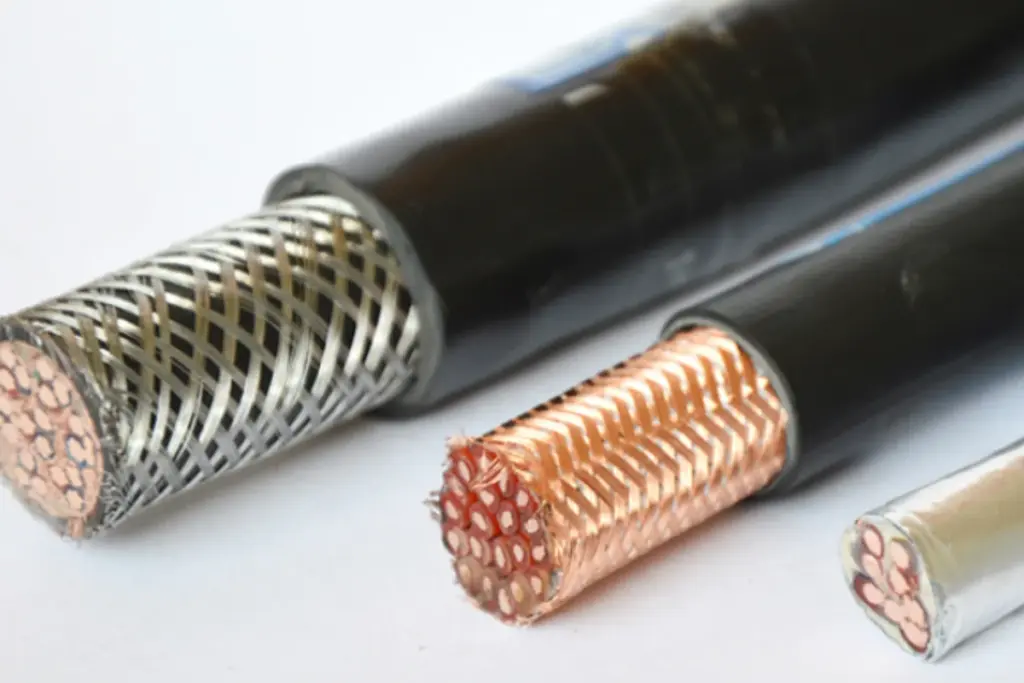
Types of Cable Armor
The most appropriate armor type depends on cable construction, electrical characteristics and installation requirements.
Steel Wire Armor (SWA)
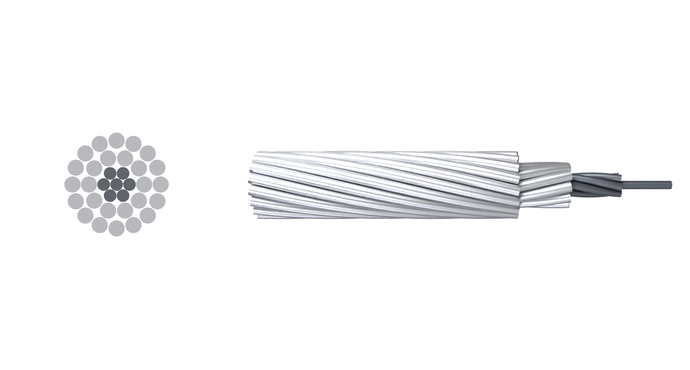
Steel Wire Armor, commonly abbreviated as SWA, uses steel wires applied around the bedding or inner sheath.
SWA is widely associated with multicore armored power cables because steel provides strong mechanical protection and can withstand significant external mechanical stress.
It is commonly found in fixed power distribution, industrial, infrastructure and underground applications.
For example, BS 5467 constructions commonly use galvanized steel wire armor for multicore cables, while single-core versions use aluminum wire armor to minimize magnetic effects.
SWA can be a suitable choice when mechanical protection is an important requirement, particularly for multicore cable constructions. However, the exact armor construction should always be selected according to the relevant standard and application.
Aluminum Wire Armor (AWA)
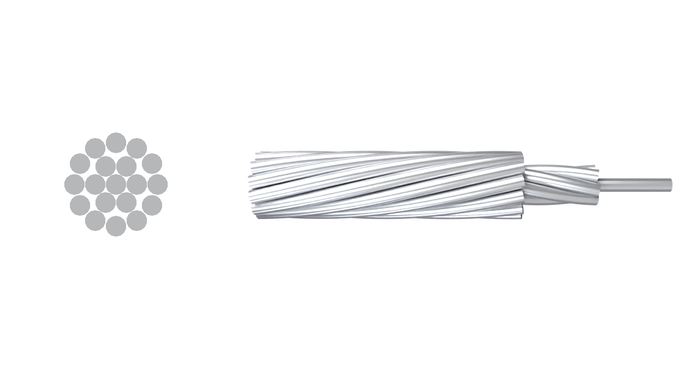
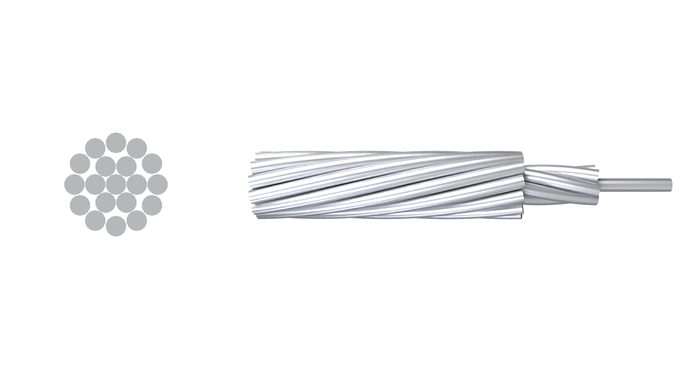
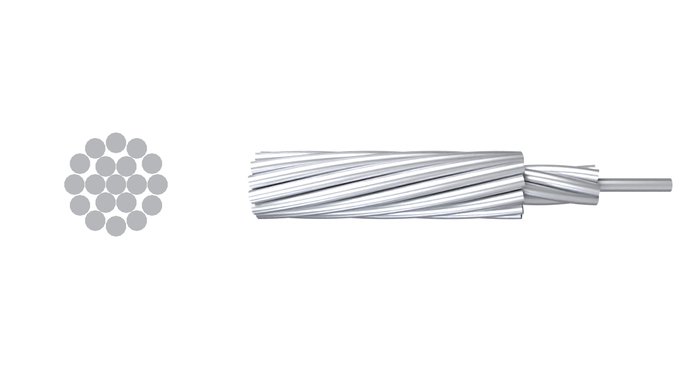
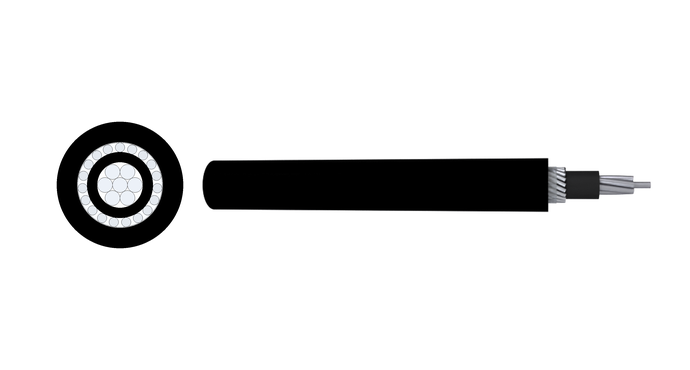
Aluminum Wire Armor (AWA) uses aluminum wires instead of steel.
The key characteristic of aluminum in this context is that it is non-magnetic. This makes AWA particularly important for certain single-core AC cable designs.
When AC current flows through a single energized conductor, it produces an alternating magnetic field. A ferromagnetic steel armor surrounding that conductor can experience induced currents and associated heating. Aluminum does not have the same magnetic behavior, which is why AWA is commonly used for single-core AC armored cables.
This does not mean that every single-core cable automatically requires the same armor design. The applicable standard, voltage level, cable arrangement and complete electrical design must be checked.
Steel Tape Armor (STA)
Steel Tape Armor (STA) uses steel tape as the metallic protective layer rather than individual steel wires.
Tape armor can provide effective protection against radial crushing and mechanical damage in appropriate cable designs.
It may be considered for certain fixed installations where the mechanical loading characteristics favor tape armor. However, it should not be selected simply because it is cheaper or because the installation is underground.
The cable specification must be checked for the required mechanical performance, bending requirements, installation method and applicable standard.
Interlocked or Braided Armor
Interlocked armor and braided metallic constructions are also used in certain cable designs.
These constructions are more common in specific markets and applications, such as flexible industrial cables, control cables and cables requiring a different balance between mechanical protection and flexibility.
They should be treated as application-specific solutions rather than universal alternatives to SWA, AWA or STA.
Cable Armor Materials: Steel vs. Aluminum
When selecting cable armor, the material matters because it affects mechanical behavior, magnetic characteristics, weight and overall cable construction.
| Factor | Steel Armor | Aluminum Armor |
|---|---|---|
| Magnetic behavior | Magnetic / ferromagnetic depending on grade | Non-magnetic |
| Mechanical strength | Generally high | Lower material strength than steel |
| Weight | Generally higher | Generally lower |
| Single-core AC suitability | Requires careful evaluation | Commonly used for single-core AC designs |
| Typical application | Many multicore armored cables | Many single-core AC armored cables |
| Main selection factor | Mechanical protection and cable design | Non-magnetic behavior and cable design |
Steel generally offers high mechanical strength and is widely used for multicore armored cables.
Aluminum is lighter and non-magnetic, which makes it particularly useful where magnetic effects around single-core AC conductors need to be avoided.
Neither material is automatically “better.” The correct choice depends on the complete cable design and installation requirements.
SWA vs. AWA vs. STA: What Is the Difference?
A simple comparison is useful when discussing the three common armor constructions.
| Feature | SWA | AWA | STA |
|---|---|---|---|
| Full name | Steel Wire Armor | Aluminum Wire Armor | Steel Tape Armor |
| Main material | Steel wire | Aluminum wire | Steel tape |
| Magnetic | Yes | No | Yes |
| Common association | Multicore cables | Single-core AC cables | Selected fixed cable designs |
| Main purpose | Mechanical protection | Mechanical protection with non-magnetic construction | Mechanical and crushing protection |
| Key selection factor | Cable construction and mechanical requirements | Single-core AC and magnetic considerations | Cable design and crushing requirements |
There is no universally best armor type.
For example, a single-core AC cable may require a non-magnetic armor construction, while a multicore power cable may use galvanized steel wire armor. The final decision depends on the cable construction, electrical system, installation method and applicable standard.
Armored vs. Unarmored Cable
One of the most practical questions for a cable buyer is whether armor is actually necessary.
| Factor | Armored Cable | Unarmored Cable |
|---|---|---|
| Mechanical protection | Higher additional protection | Depends on installation |
| Weight | Generally higher | Generally lower |
| Flexibility | Usually lower | Usually higher |
| Diameter | Generally larger | Generally smaller |
| Installation | May require appropriate glands/cleats and handling | Often simpler |
| Mechanical-risk environments | Often suitable | Requires other protection where necessary |
| Cost | Generally higher | Generally lower |
An armored cable is not automatically the right choice for every installation.
If a cable is installed inside a properly protected indoor system, additional armor may not provide enough benefit to justify the additional weight and cost.
On the other hand, if a cable is exposed to significant mechanical risk, especially outdoors or underground, armor can provide an important additional layer of protection.
Where Is Cable Armor Used?
Cable armor is mainly used where additional mechanical protection is required.
Underground Power Distribution
Underground installations can expose cables to soil pressure, backfill, construction activity and accidental damage during excavation.
Armored cables are therefore commonly used for underground power distribution and direct-burial applications where the relevant cable standard permits such installation.
The armor does not eliminate the need for correct burial depth, routing, warning systems or installation practices. It is one part of the overall protection system.
Industrial Installations
Factories and industrial plants may contain heavy machinery, vehicle traffic, maintenance activities and exposed cable routes.
Armored power and control cables can be selected where these conditions create a meaningful risk of mechanical damage.
Construction and Infrastructure
Construction projects often require cables to be routed through outdoor areas, cable trays, ducts, plant rooms or other locations where physical protection is important.
The appropriate cable construction depends on the voltage, installation method, fire requirements and environmental conditions.
Mining and Heavy Industry
Mining and heavy industrial environments can expose cables to impact, abrasion, mechanical stress and difficult installation conditions.
However, armor selection for mining should be based on the actual cable design. A conventional fixed-installation SWA cable should not automatically be treated as a suitable mining cable simply because it has steel armor.
Where cables need repeated movement, dragging or flexing, a purpose-designed flexible or mining cable may be more appropriate.
Oil, Gas and Petrochemical Applications
Oil and gas facilities can require cables with specific mechanical, environmental, flame, smoke and hazardous-area characteristics.
Armor may be part of the overall cable construction, but it does not by itself make a cable suitable for a hazardous location. The complete cable, installation method and relevant hazardous-area requirements must be verified.
Utilities and Power Networks
Armored cables are also used in power distribution networks and infrastructure projects where cables may be installed underground, in ducts, on trays or in other locations with mechanical risks.
For medium- and high-voltage systems, the armor construction must be considered together with metallic screens, insulation systems, fault-current requirements and the applicable cable standard.
Cable Armor for Single-Core vs. Multicore Cables
The number of cable cores is one of the most important factors in armor selection.
Multicore Cables
Multicore armored cables commonly use steel wire armor.
Because the conductors are arranged together, the magnetic effects associated with AC current are different from those of a single isolated conductor. This allows steel armor to be used in many multicore cable designs.
SWA is therefore widely associated with multicore power cables.
Single-Core AC Cables
Single-core AC cables require more careful consideration.
An energized AC conductor produces an alternating magnetic field. If a ferromagnetic steel armor surrounds the conductor, electromagnetic effects can induce currents in the armor and create additional heating.
For this reason, aluminum wire armor is commonly specified for single-core AC armored cable designs because aluminum is non-magnetic. Prysmian and Eland both describe AWA as the typical armor construction for relevant single-core AC cables.
The important engineering principle is therefore:
Do not select steel armor for a single-core AC cable simply because steel provides strong mechanical protection. Check the cable design and applicable standard first.
How to Choose the Right Cable Armor
Choosing cable armor should be treated as a design decision rather than simply a material selection.
Step 1: Determine the Cable Voltage
Start with the electrical requirements.
Is the cable:
- Low voltage?
- Medium voltage?
- High voltage?
The voltage rating affects the complete cable construction, insulation system, screens, sheath and applicable standard.
The armor cannot be selected independently of the complete cable design.
Step 2: Check Single-Core or Multicore Construction
Next, determine the number of cores.
For single-core AC cable designs, non-magnetic AWA is commonly used.
For multicore power cables, SWA is a common construction.
However, these are general selection principles rather than a substitute for the applicable product standard.
Step 3: Identify the Main Mechanical Risk
Ask what the cable is actually expected to withstand.
Is the main concern:
- Impact?
- Crushing?
- Pulling tension?
- External mechanical damage?
- Vibration?
- Construction activity?
- Underground pressure?
- Repeated movement?
This question is more useful than simply asking which armor material is “strongest.”
Step 4: Consider the Installation Method
Installation method has a major influence on cable selection.
Typical conditions include:
- Direct burial
- Underground duct
- Cable trench
- Cable tray
- Indoor fixed installation
- Outdoor installation
- Vertical riser
- Industrial equipment
For example, a cable intended for direct burial needs a construction suitable for the expected mechanical and environmental conditions. A cable installed on a protected indoor tray may have very different requirements.
Step 5: Evaluate the Environment
Consider:
- Moisture
- Water exposure
- UV exposure
- Temperature
- Chemicals
- Corrosive atmosphere
- Fire performance
- Smoke requirements
- Mechanical abrasion
Armor is only one part of environmental protection. The outer sheath and other cable layers also need to be selected appropriately.
For example, LSZH sheath and bedding systems may be specified where low smoke and zero-halogen performance is required, such as certain public buildings and enclosed areas. BS 6724 is one example of an armored cable standard associated with LSZH construction.
Step 6: Select the Armor Construction
After the previous factors are clear, evaluate:
SWA when the cable design requires steel wire armor and the electrical and mechanical conditions are suitable.
AWA when a non-magnetic wire armor construction is required, particularly for relevant single-core AC designs.
STA when a steel tape armor construction is specified and appropriate for the mechanical and installation requirements.
The final choice should always be checked against the manufacturer’s technical datasheet.
Step 7: Confirm the Applicable Standard
Finally, identify the required standard before placing an order.
A cable that looks similar externally may have a different construction, material, test requirement or permitted application under another standard.
For international projects, common cable standards may include IEC, BS, UL, AS/NZS and other national or regional standards, depending on the product and target market.
Cable Armor and Applicable Standards
Cable armor should always be considered as part of the complete cable specification.
For example, IEC 60502-1 covers power cables with extruded insulation for rated voltages up to and including 1 kV, while IEC 60502-2 covers cables for rated voltages above 1 kV up to and including 30 kV. The applicable armor construction depends on the specific cable design and standard requirements.
In the British Standards system, BS 5467 and BS 6724 are important standards for certain low-voltage armored cable constructions. BS 6724 is particularly associated with low-smoke, zero-halogen requirements.
For North American products, different product standards and cable constructions apply. A UL-listed armored cable should therefore be evaluated according to its specific UL product standard rather than assuming that an IEC or BS armor construction is equivalent.
The key point is simple:
Do not choose the armor first and the standard later. Choose the complete cable construction according to the project standard and then verify the armor design.
Cable Armor vs. Cable Shield
Cable armor and cable shielding are often confused, but they have different primary functions.
| Component | Main Function |
|---|---|
| Armor | Mechanical protection |
| Metallic Shield / Screen | Electrical field control or electromagnetic performance, depending on design |
| Insulation | Electrical separation |
| Outer Sheath | Environmental and physical protection |
An armored cable can also contain a metallic screen.
For example, medium-voltage cable designs may include a metallic screen around the insulation and a separate armor layer outside the bedding. These layers are not interchangeable.
This distinction is particularly important when reviewing technical datasheets. A cable described as “screened” is not necessarily mechanically armored, and an armored cable is not automatically a substitute for a cable requiring a specific electrical screen.
Common Cable Armor Selection Mistakes
Choosing Armor Only by Mechanical Strength
The strongest-looking material is not necessarily the correct solution.
Electrical characteristics, core configuration and applicable standards are equally important.
Using Steel Armor Without Considering Single-Core AC
This is one of the most important mistakes to avoid.
For relevant single-core AC cable designs, steel armor can create undesirable electromagnetic effects and heating. Non-magnetic aluminum armor is commonly used instead.
Ignoring the Installation Method
An armored cable for direct burial is not automatically suitable for every underground installation.
The burial conditions, duct arrangement, pulling method, bending requirements and environmental conditions should all be considered.
Selecting the Cable Before Checking the Standard
Different standards can specify different constructions and performance requirements.
Always identify the required standard before comparing cable products.
Assuming All Armored Cables Have the Same Construction
Two cables may both be called “armored cable” while using different conductors, insulation, armor, sheath materials and voltage ratings.
The full construction matters more than the word “armored” alone.
Treating Armor and Shielding as the Same Thing
Armor mainly addresses mechanical protection. A metallic screen or shield may serve an electrical purpose.
If a project specification requires both, both functions need to be addressed in the cable design.
How to Specify an Armored Cable for a Project
For B2B cable purchasing, providing complete project information usually produces a much better technical recommendation than simply requesting an “armored cable.”
A useful RFQ should include:
- Voltage rating
- Number of cores
- Conductor material
- Conductor cross-sectional area
- Insulation type
- Armor type, if already specified
- Installation method
- Indoor or outdoor use
- Direct burial requirement
- Ambient temperature
- Chemical or corrosive exposure
- Fire and smoke requirements
- Required cable standard
- Applicable national or project specification
- Required cable length and packaging
If some information is unknown, provide the application and installation conditions instead. A qualified cable supplier can then help determine an appropriate construction.
Armored Cable Solutions from AMG Cable
AMG Cable supplies a range of wire and cable products for international B2B projects, including armored cable solutions for power and industrial applications.
The appropriate cable construction can be evaluated according to the required voltage, core configuration, installation environment, applicable standard and mechanical protection requirements.
AMG Cable also organizes its products by cable type, standard and industry, making it easier for project buyers to identify a suitable starting point for technical evaluation.
For projects requiring armored cable, the most useful information to provide is the voltage rating, conductor size, number of cores, installation method, destination market and required standard.
FAQ About Cable Armor
What is cable armor?
Cable armor is a metallic protective layer applied around certain cable constructions to provide additional mechanical protection against impact, crushing and other external mechanical stresses.
What is cable armor used for?
Cable armor is mainly used to reduce the risk of mechanical damage during cable installation and operation. It is commonly found in underground, outdoor, industrial and infrastructure installations where additional physical protection is required.
What are the main types of cable armor?
Common types include Steel Wire Armor (SWA), Aluminum Wire Armor (AWA) and Steel Tape Armor (STA). Other constructions, such as interlocked or braided armor, are also used for specific cable designs.
What is SWA cable?
SWA stands for Steel Wire Armored cable. It uses steel wires as the metallic armor layer and is commonly associated with multicore power cable constructions requiring mechanical protection.
What is AWA cable?
AWA stands for Aluminum Wire Armored cable. Aluminum is non-magnetic, so AWA is commonly used for single-core AC cable designs where steel armor could cause undesirable electromagnetic effects and heating.
What is STA cable?
STA stands for Steel Tape Armored cable. It uses steel tape as the armor layer and can provide mechanical and crushing protection in suitable fixed cable applications.
Why is aluminum armor used for some single-core AC cables?
A single AC conductor produces an alternating magnetic field. Magnetic steel armor around the conductor can experience induced currents and heating. Aluminum is non-magnetic, which is why AWA is commonly used for relevant single-core AC cable designs.
Is armored cable better than unarmored cable?
Not necessarily. Armored cable provides additional mechanical protection but is generally heavier, larger and less flexible. If the installation already provides sufficient mechanical protection, an unarmored cable may be more appropriate.
Can armored cable be used underground?
Yes, many armored cable constructions are designed for underground or direct-burial applications. However, the specific cable must be approved for the intended installation method and meet the applicable standard.
Does cable armor provide grounding?
It can have an earthing or fault-current-related function in certain cable systems, but this should never be assumed. The cable construction, installation system and applicable electrical standard must be checked.
What is the difference between cable armor and cable shielding?
Armor primarily provides mechanical protection. A metallic shield or screen is generally used for electrical field control or electromagnetic performance. Some cables contain both an armor layer and a metallic screen.
How do I choose the right cable armor?
Start with the cable voltage, number of cores, installation method and main mechanical risks. Then consider magnetic effects, environmental conditions, sheath requirements and the applicable cable standard. The final construction should be confirmed against the manufacturer’s datasheet.
Conclusion
Cable armor is not simply an extra layer of metal added to make a cable stronger. It is part of a carefully designed cable construction that must work together with the conductor, insulation, bedding, sheath and other components.
The most important selection factors are the cable voltage, core configuration, mechanical requirements, installation method, environmental conditions and applicable standard.
For multicore power cables, SWA is a common armor construction. For relevant single-core AC cables, AWA is commonly selected because aluminum is non-magnetic. STA can be appropriate for specific fixed cable constructions where steel tape armor meets the required mechanical and installation requirements.
Most importantly, there is no single “best” cable armor for every project. The correct choice is the construction that satisfies the complete electrical, mechanical, environmental and regulatory requirements of the installation.
When comparing armored cable suppliers, therefore, do not look only at the armor material. Check the complete cable construction, applicable standard, voltage rating, installation suitability and technical datasheet before making the final purchasing decision.