

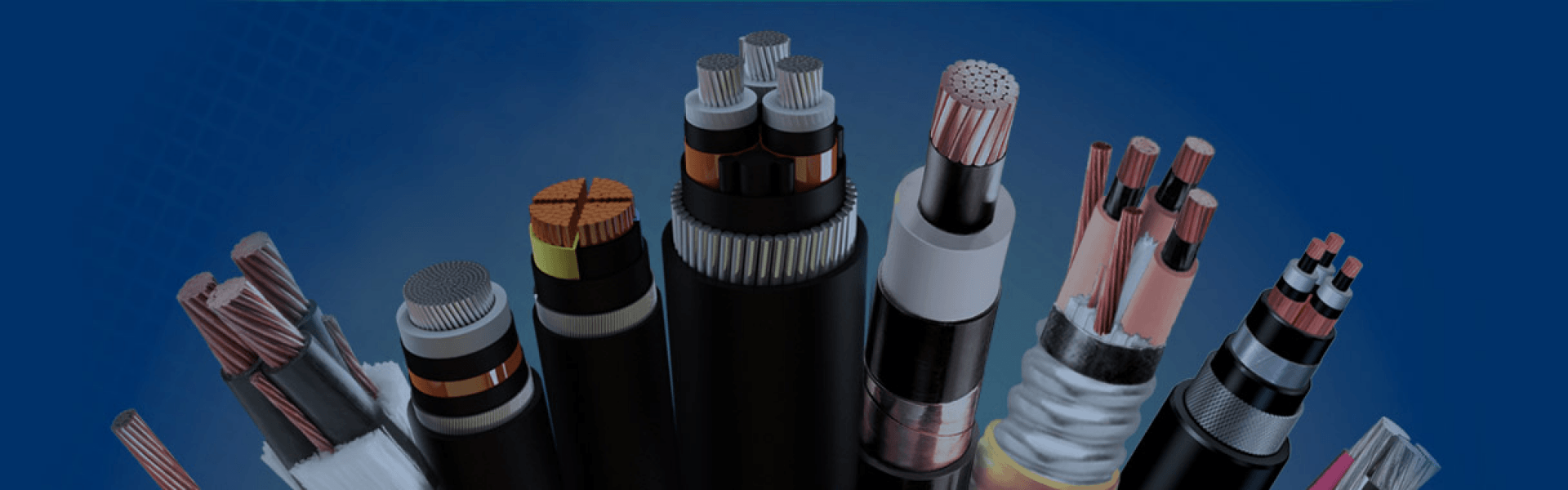
Construction Cable
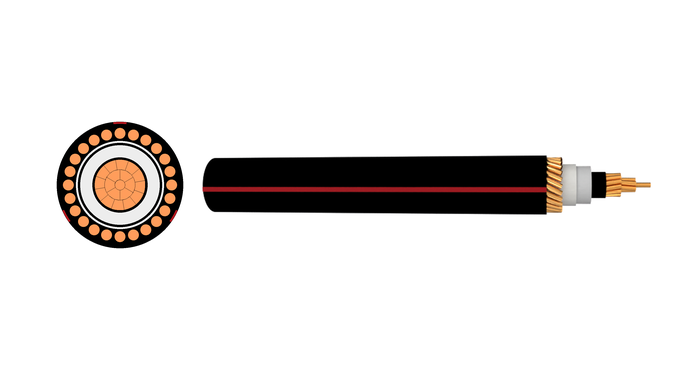
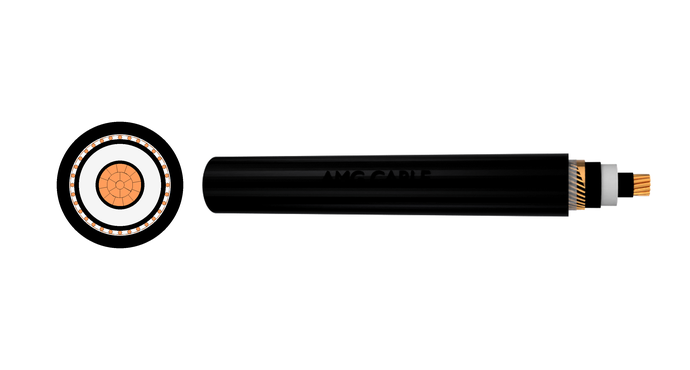
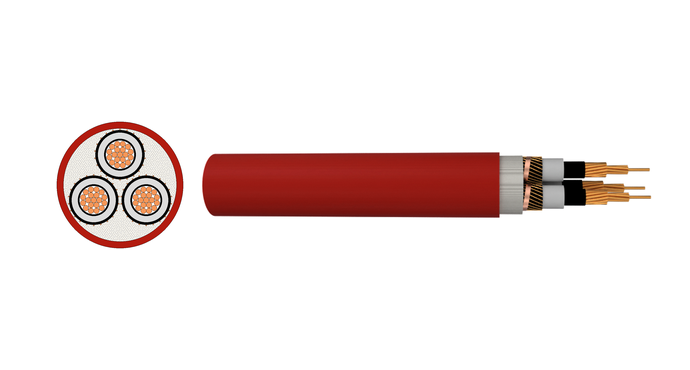
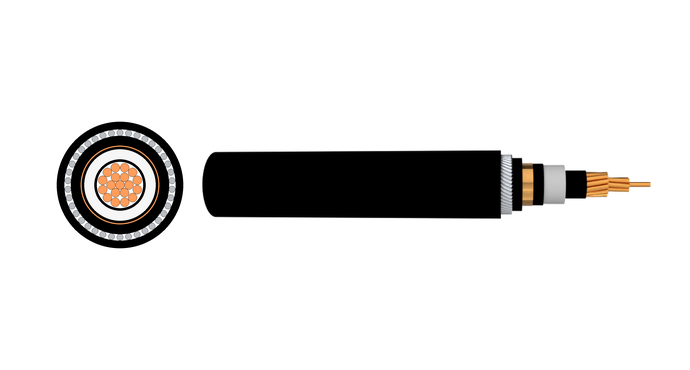
Construction Cable refers to a broad range of electrical cables used in commercial buildings, residential construction, industrial facilities, infrastructure projects, and underground electrical systems. These cables are designed to provide reliable power transmission, communication, control, and fire safety performance in demanding installation environments. As a professional construction cable manufacturer and supplier, we provide building wire, power cable, LSZH cable, fire resistant cable, tray cable, and industrial control cable solutions for contractors, distributors, and engineering projects worldwide.
Construction cable plays an important role in modern electrical infrastructure because different projects require different cable structures, insulation materials, and protection performance.Modern construction projects require cables with reliable electrical performance, long service life, and enhanced safety protection. Flame retardant and fire resistant cables help improve fire safety, while LSZH cables reduce smoke and corrosive gas emission in public buildings and enclosed environments. Depending on the installation conditions, construction cables may also require UV resistance, moisture resistance, and additional mechanical protection for stable long-term operation in harsh environments.
Types of Construction Cable
| Cable Type | Description | Applications |
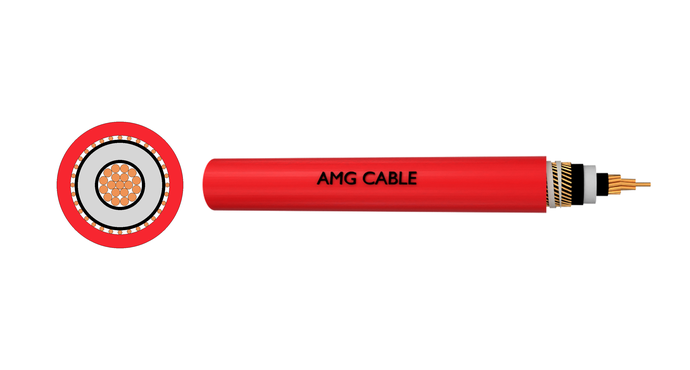
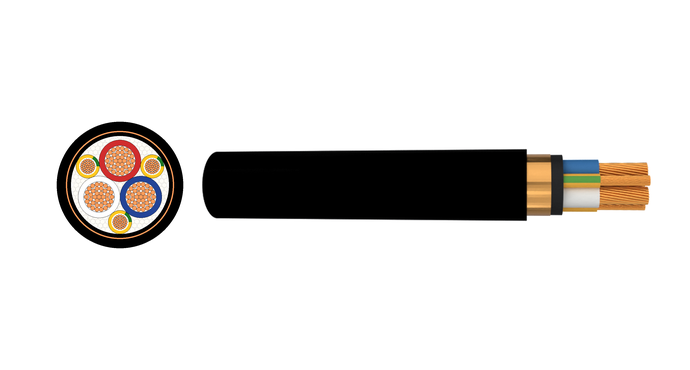
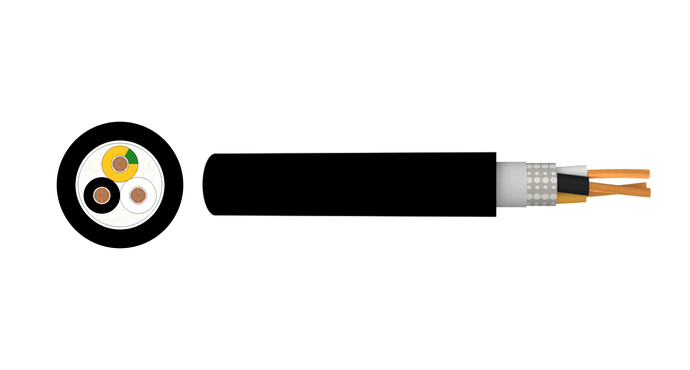
| Fire-Resistant Cables | Keep circuits running under fire, water spray and mechanical impact. Built so life-safety systems stay powered when it matters most. | Fire pumps, emergency lighting, smoke extraction, fire alarms and evacuation systems. |
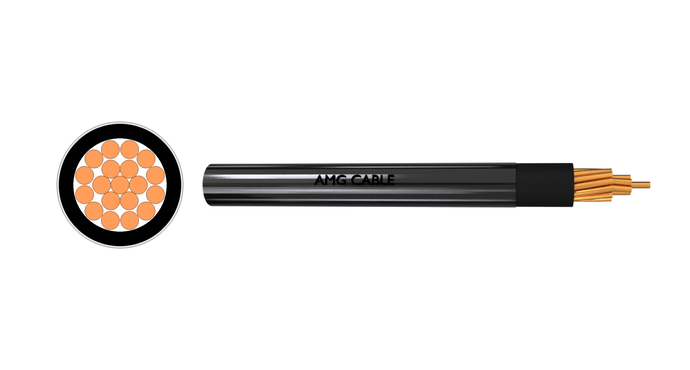
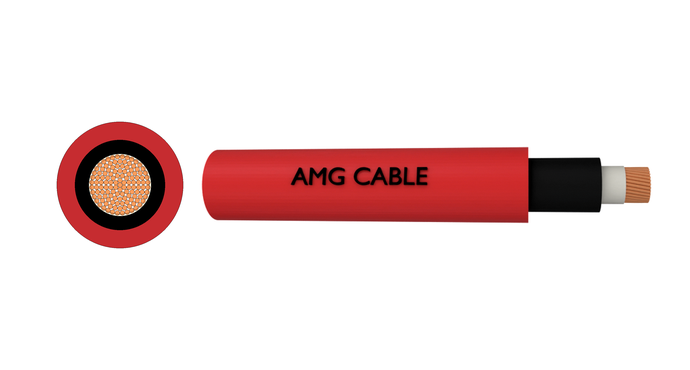
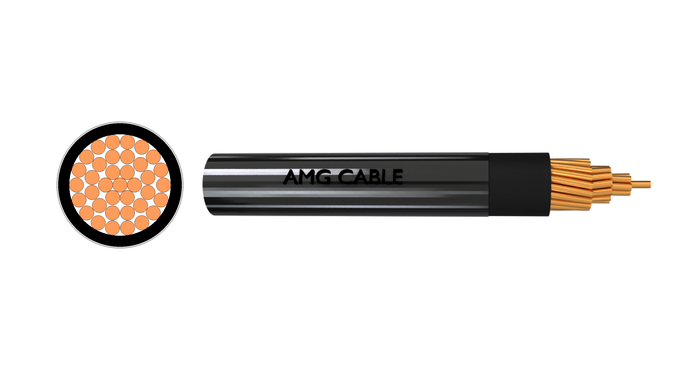
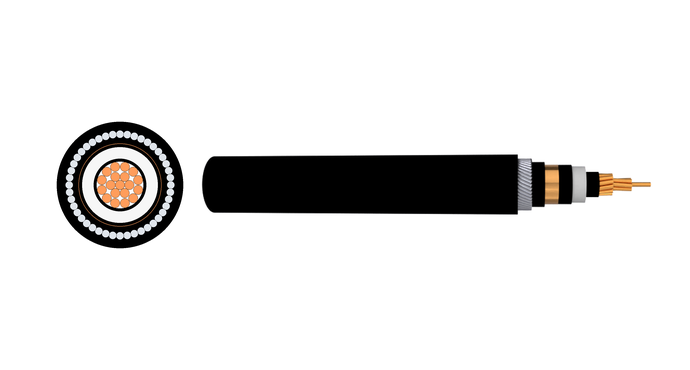
| Power & Flexible Cables | Rugged single-core power cables for fixed mains, plus flexible versions that bend easily in panels and temporary setups. Available in PVC or low-smoke zero-halogen. | Mains feeders, underground supplies, generator connections, switchboard wiring and temporary site power. |
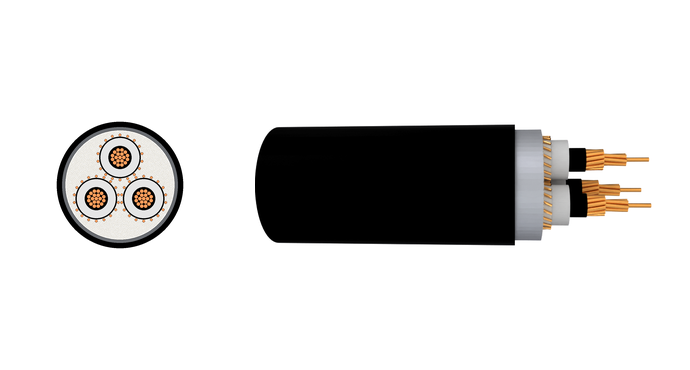
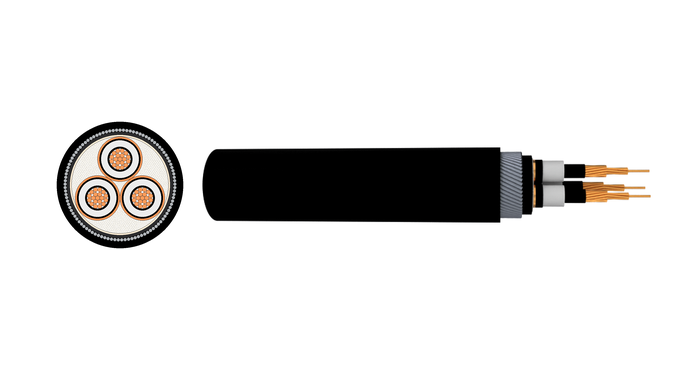
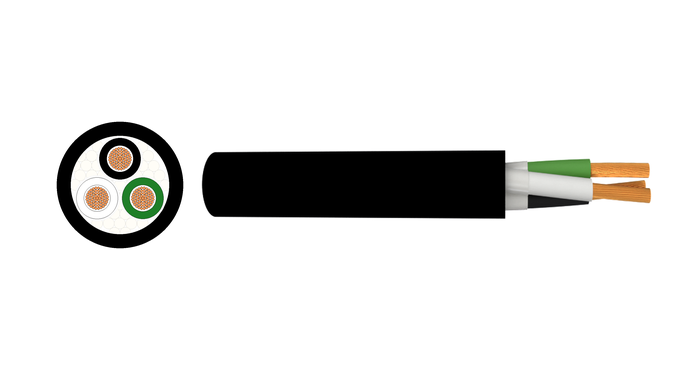
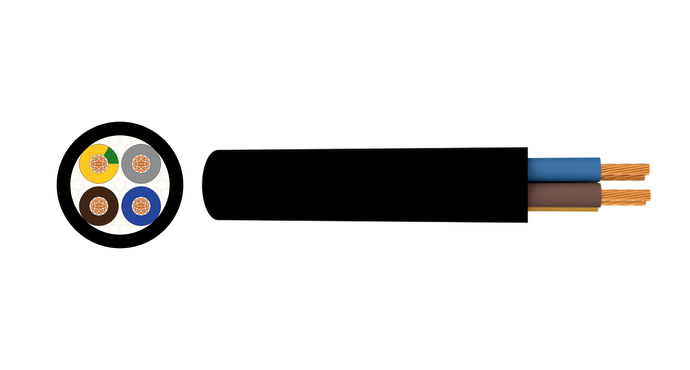
| Tray & Control Cables | Multi-conductor cables made for fast installation in cable trays and raceways. Power and control in one jacket. | Industrial power and control runs, treatment plants, manufacturing lines and large commercial tray systems. |
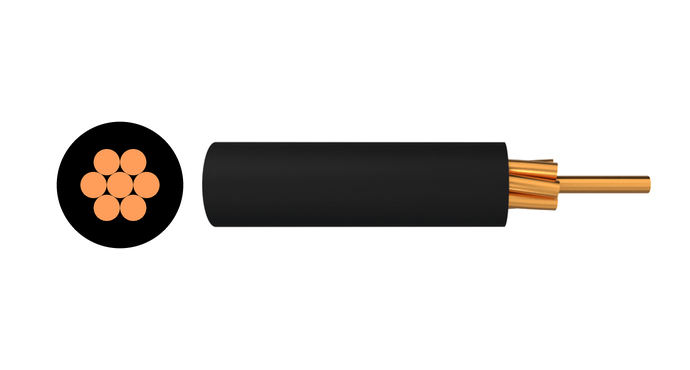
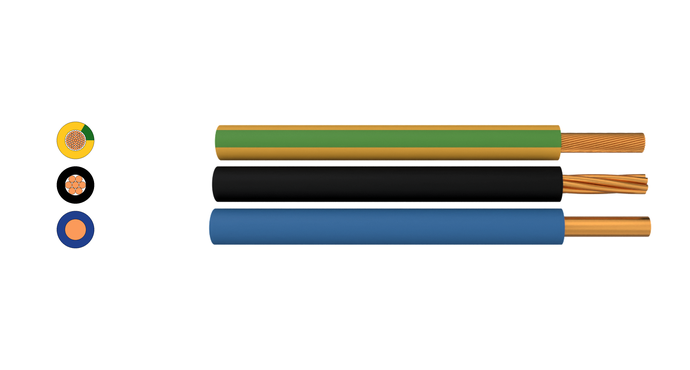
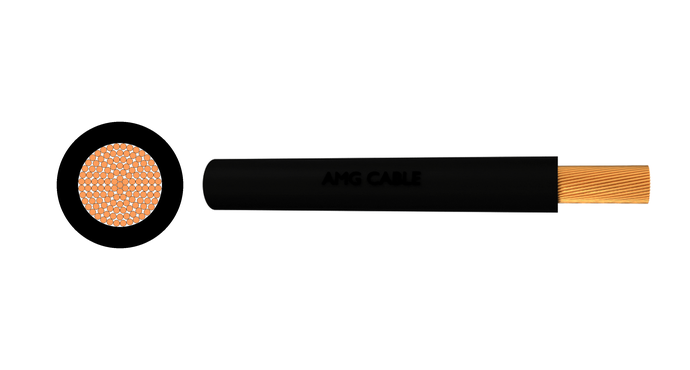
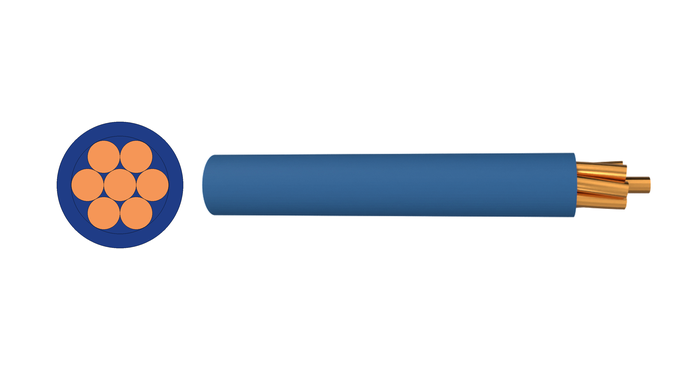
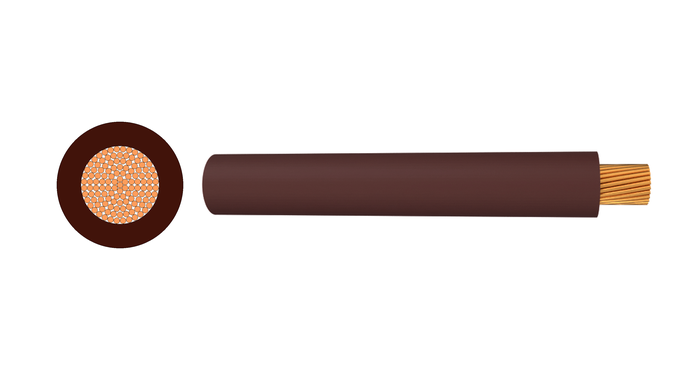
| Panel & Switchboard Wires | Single-conductor wires that handle heat and tight bends inside enclosures. Easy to strip, form and terminate. | Switchboards, motor control centres, distribution panels, HVAC and control cabinets. |
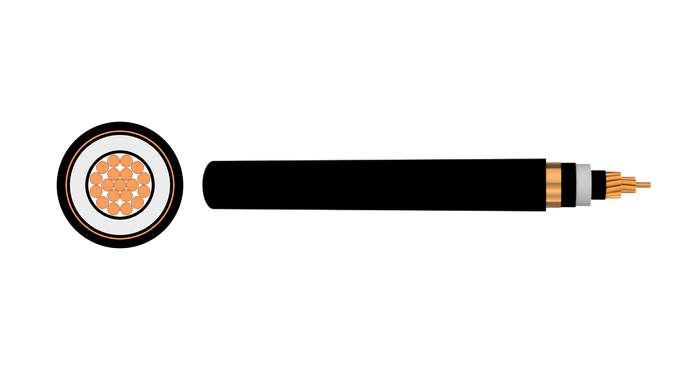
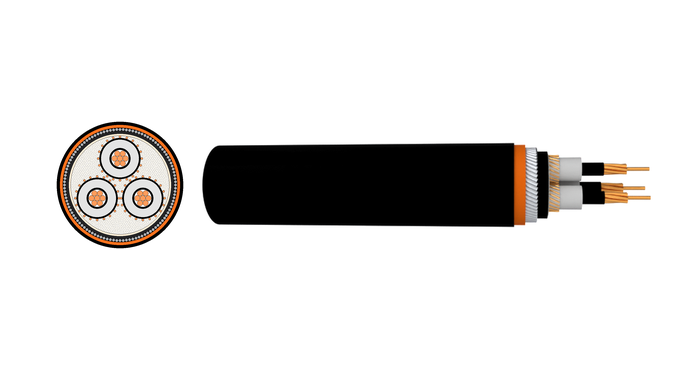
| Specialty Underground Cables | Jacket and construction engineered to resist moisture, acids and soil chemicals for decades of direct burial. | Cathodic protection systems, buried pipelines, storage tanks and other hostile underground applications. |
Construction Cable Standards
- IEC 60502-1 – Governs design, dimensions and testing for low-voltage power cables used in fixed distribution.
- BS 6387 – Specifies circuit integrity under fire, with tests for flame, water spray and mechanical shock.
- AS/NZS 3013 – Classifies fire-rated cables for emergency systems in Australian and New Zealand projects.
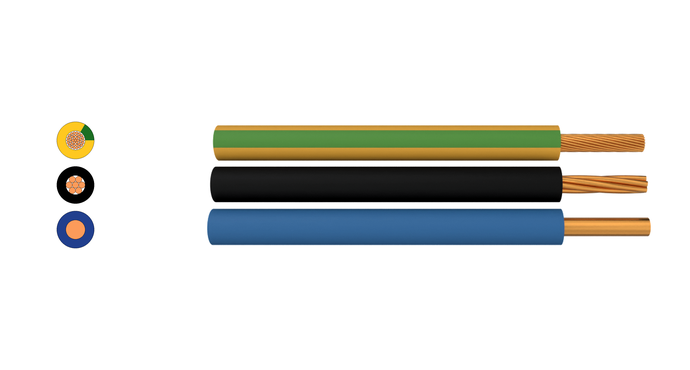
- European Harmonised Standards (e.g., H07Z1-K) – Cover LSZH flexible single core wiring intended for use inside switchgear and in fixed, protected circuits.
- UL 44 / UL 83 – Switchboard wire (UL 44) and nylon-jacketed wire (UL 83) standards for North American panels and conduit.
- UL 1277 / NEC Article 336 – Standards for Type TC and TC‑ER tray cables used in cable trays and raceways.
- NACE SP0169 – Design considerations for corrosion-resistant cables in long‑term buried cathodic protection applications.
All construction cables in this category are manufactured to comply with the applicable standards above, giving you confidence in safety, inspection, and long‑term site performance.
Construction Cable
Get A Free Quote
Need Help?
Your Trusted Business Partner for Professional Cable Solutions
/ AMG FAQ /
Frequently Asked Questions
Not always—it entirely depends on the cable’s structural rating and local electrical codes.
Standard building wires like THHN/THWN or standard single conductors lack a heavy outer protective jacket, meaning they must be pulled through conduits (metal or plastic pipes) to protect them from physical damage and moisture.
However, specialized engineering cables are designed specifically to eliminate the need for conduits to save on labor and material costs. For example, Type TC-ER (Exposed Run) tray cables pass rigorous crush and impact tests, allowing them to be run openly between cable trays and machinery. Similarly, Armored Cables (like MC or SWA) feature a built-in metal sheath that acts as its own conduit, allowing them to be installed directly behind walls or in open spaces without extra piping.
Commercial and industrial construction cables are built from three core components designed for electrical performance and physical protection:
- The Conductor (The Core): This is almost always made of Copper or Aluminum. Copper is favored for standard branch circuits and high-performance setups due to its superior electrical conductivity. Aluminum is highly popular for main feeder lines because it is lightweight and significantly more cost-effective for large-scale power distribution.
- The Insulation: This wraps the conductor to prevent short circuits. Common materials include PVC (affordable and flame-retardant), XLPE (Cross-linked Polyethylene) (offering higher heat resistance, up to 90°C, and excellent moisture resistance), and Nylon coating (used on wires like THHN to provide a slick surface for easy pulling through pipes).
- The Outer Jacket: The outermost layer protects against the environment. Materials range from rugged PVC and rubber compounds for flexible jobsite cords, right through to LSZH (Low Smoke Zero Halogen) polymers that release almost no toxic fumes and very little smoke when exposed to fire.
Modern new construction projects require a specialized mix of cables depending on the zone of the building and the overall electrical footprint:
- Main Power Distribution: Heavy-duty unipolar cables like NYY or N2XOH / NA2XOH are used to bring power from the utility transformer into the building’s main electrical room.
- Branch Circuits & Internal Wiring: North American projects rely heavily on THHN/THWN-2 inside conduits or NM-B (Non-Metallic Sheathed Cable) for residential walls. Global projects frequently use H07Z1-K or BVR wires inside walls and ceilings to connect lights and outlets.
- Industrial & Industrial Spaces: Type TC-ER Tray Cables and Metal-Clad (MC) Cables are standard for powering heavy machinery, HVAC systems, and open-ceiling overhead grids.
- Safety & Emergency Systems: BS6387 or AS/NZS 3013 Fire-Rated Cables are mandatory for powering life-safety equipment like fire pumps, emergency lighting, and ventilation fans.
Getting power and cabling infrastructure to a new construction project is a two-phase process involving utility connection and on-site physical installation:
- Phase 1: During the earliest pre-construction stage, the project’s EPC contractor works with the local power utility to arrange the service drop — covering both temporary site power and the permanent electrical connection.The utility runs heavy-duty service feeders (either overhead or underground via a duct bank) from the main grid to a temporary on-site transformer or distribution box to power cranes and tools.
- Phase 2: On-Site Cable Pulling (Rough-In Phase): Once the building’s structural frame and walls are up but before the drywall is sealed, electricians execute the “rough-in.” They mount cable trays, install conduits, and use mechanical tuggers and pulling lubricants to feed the bulk construction cables through the building’s routing pathways down to the switchboards.
Cables installed underground face constant moisture, soil chemicals, and mechanical pressure from ground shifting. Therefore, they must be specifically rated for Direct Burial or Wet Locations:
- Direct Burial Grid Cables: Cables like NYY Unipolar or XLPE-insulated armored cables are standard. They feature thick, rugged outer jackets that resist moisture penetration and soil acidity without requiring a conduit.
- Underground Conduit Lines: Wires rated as THWN-2 (The “W” stands for Water-resistant) are designed to sit inside buried PVC pipes where water frequently accumulates.
- Cathodic Protection (CP) Cables: For large-scale infrastructure, 600V CP Cables with high-molecular-weight polyethylene (HMWPE) insulation are buried alongside underground steel structures, pipelines, and concrete foundations to power systems that actively prevent rust and structural corrosion.

Have Questions?
Get in Touch with Us.
AMG Cable Group support 24*7 service and technical assistance.
Phone /Whatsapp / Wechat
+86 188 3803 6118Address
High-Tech Industrial Development Zone,Zhengzhou City,Henan Province,ChinaSend Us a Message
Please feel free to leave a message. We will reply in 24 hours.
/ AMG WIRE&CABLE /
Your trusted partner in high- performance wire and cables
Our team stands by 24/7, responding promptly to
inquiries and providing most quotations within 24 hours.