

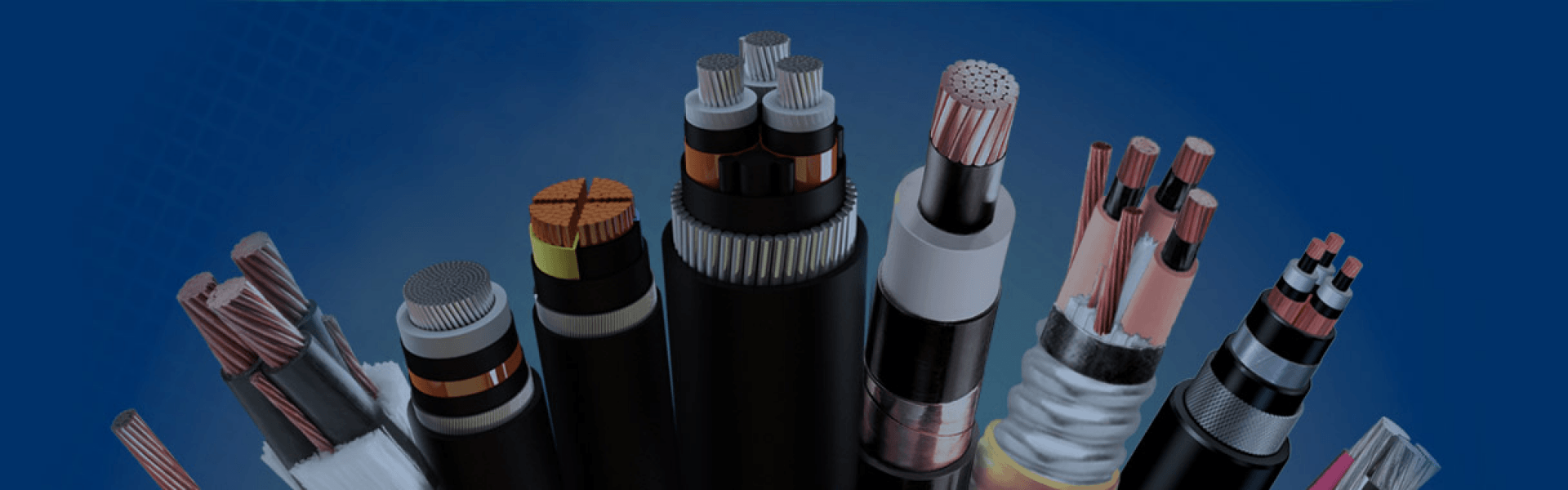
Building cable
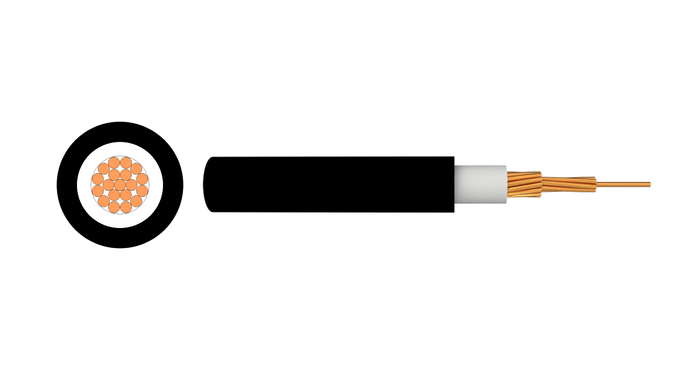
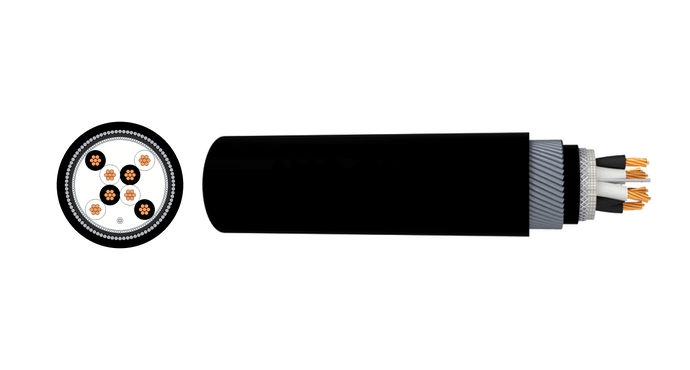
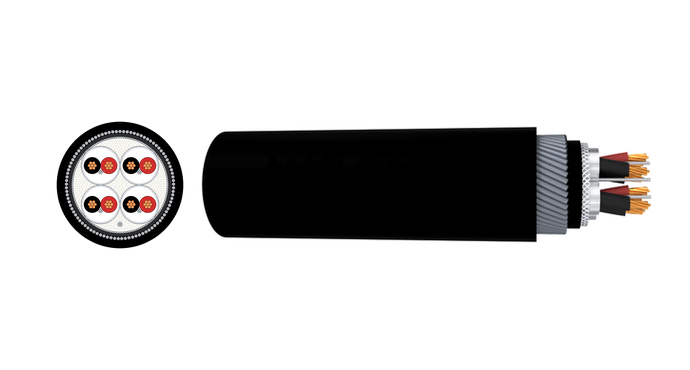
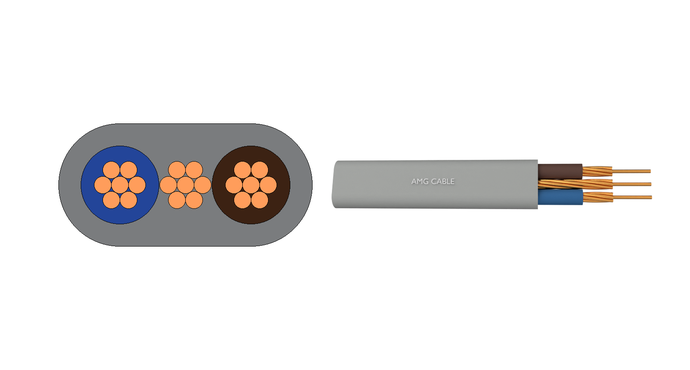
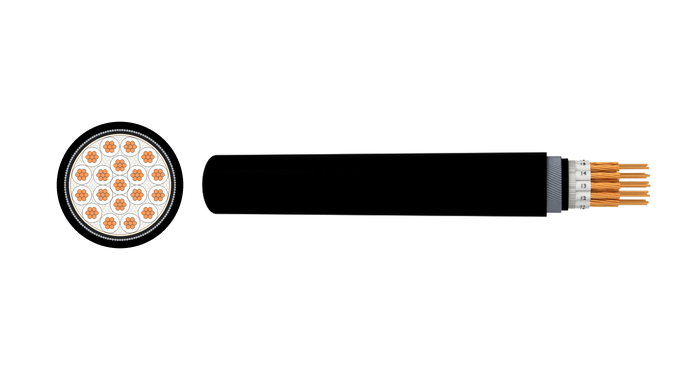
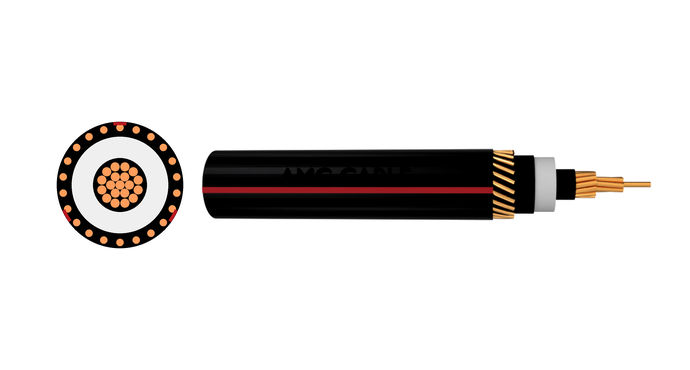
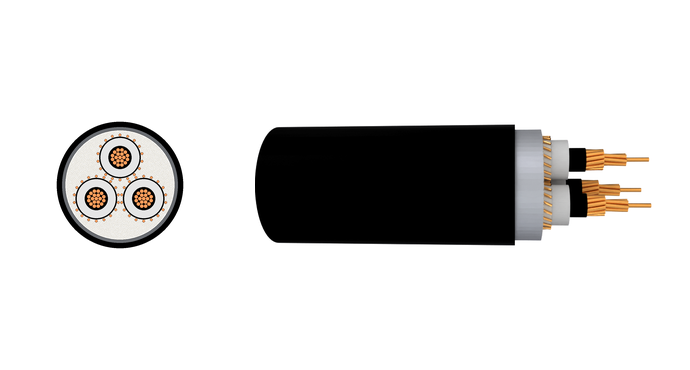
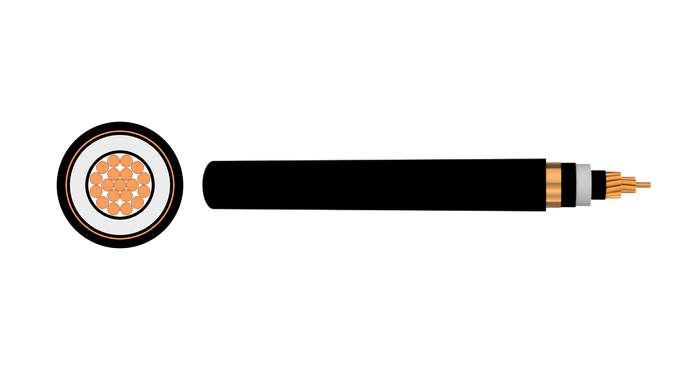
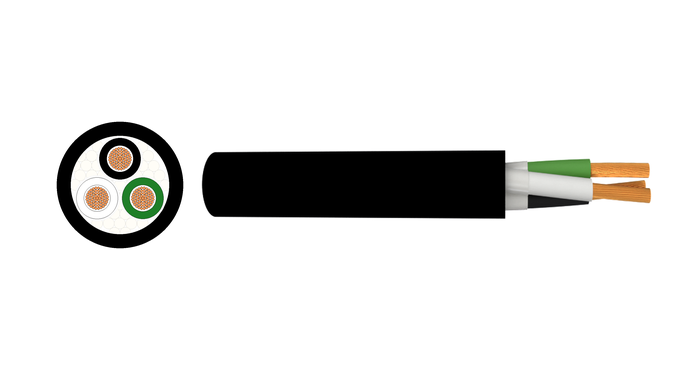
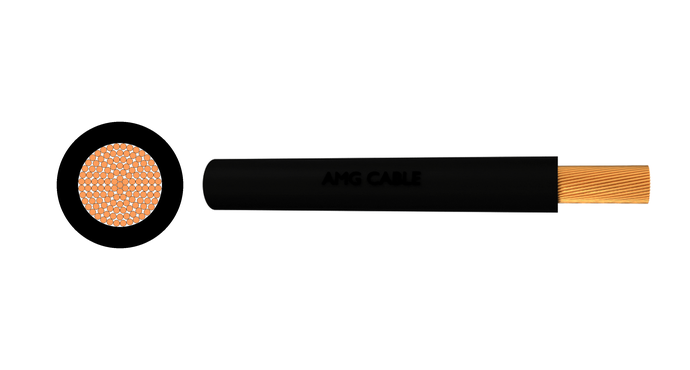
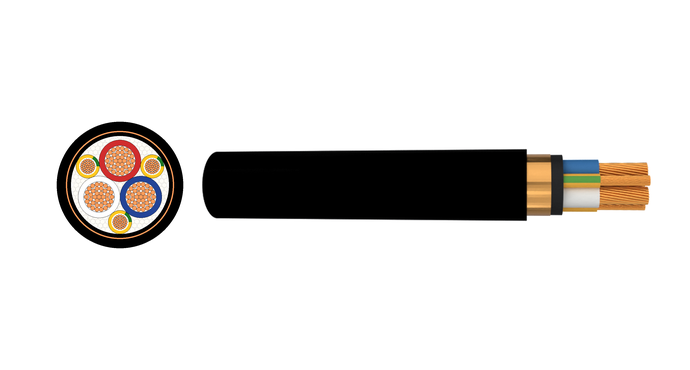
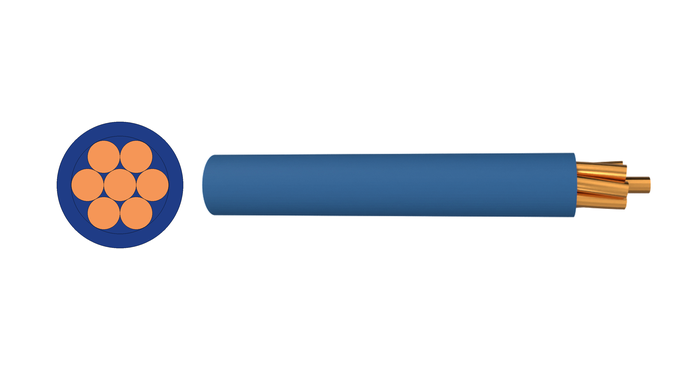
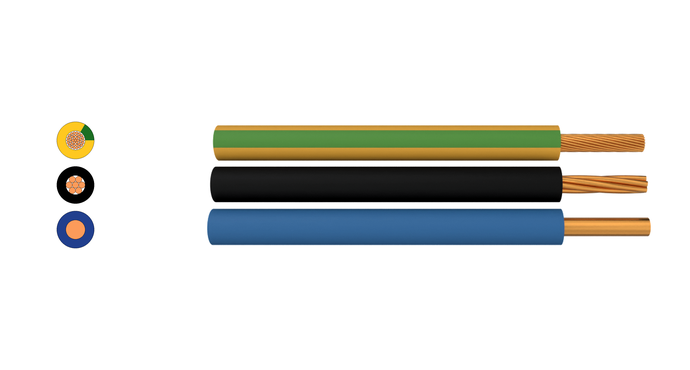
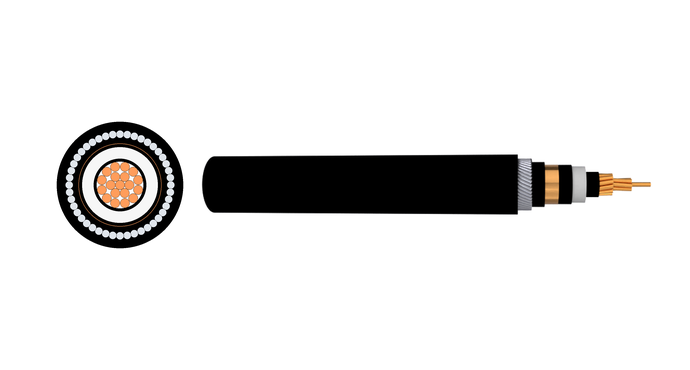
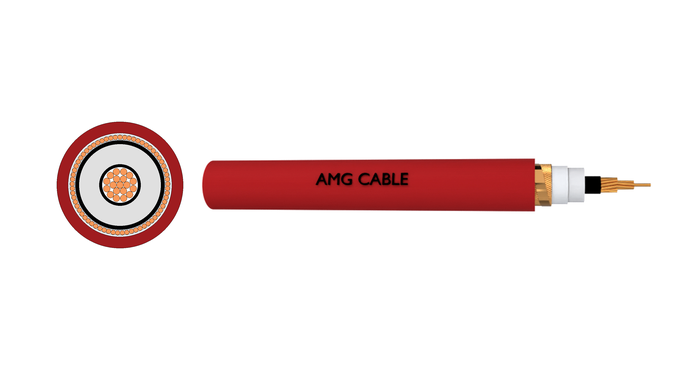
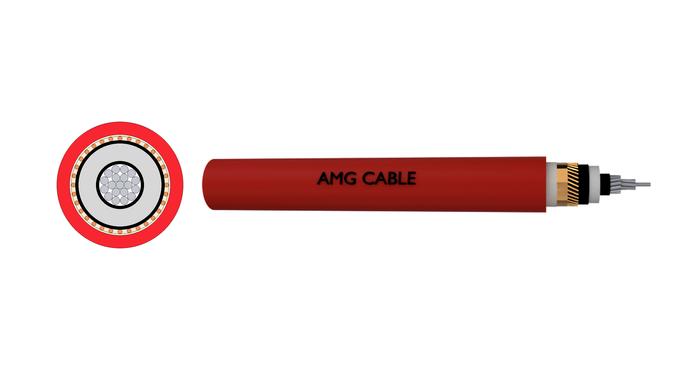
Building cable refers to a broad range of electrical cables used for power distribution and fixed electrical installations in residential, commercial, public, and industrial buildings. As a professional cable manufacturer and supplier, we offer a complete range of building cable solutions, including building wire, low-voltage power cables, medium-voltage cables, armoured cables, LSZH cables, and flexible installation cables. Our products are designed to meet the safety, performance, and reliability requirements of modern building projects.
Building cables form the foundation of a building’s electrical infrastructure. They transmit power from utility connections and distribution panels to lighting systems, socket circuits, HVAC equipment, elevators, fire alarm systems, emergency power supplies, and building management systems. Reliable cable selection is essential for ensuring electrical safety, stable power delivery, and long-term operational performance.
Different applications require different cable types. Building wire is commonly used for internal wiring, low-voltage power cables for fixed power distribution, armoured cables for installations requiring additional mechanical protection, LSZH cables for public buildings with strict fire safety requirements, and medium-voltage cables for larger facilities and utility connections. Building cables are widely used in homes, offices, hospitals, schools, hotels, airports, data centers, industrial plants, and infrastructure projects, providing dependable power for the systems that keep modern buildings running.
| Selection Factor | Recommendation |
| Application | Choose the cable according to its intended use, such as wiring, power distribution, service entrances, or equipment connections. |
| Voltage Rating | Select building wire for low-voltage circuits, 0.6/1kV cables for power distribution, and MV cables for larger facilities. |
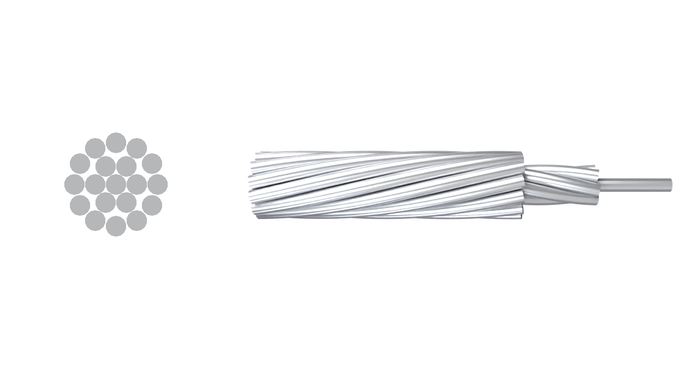
| Conductor Material | Copper offers higher conductivity and flexibility, while aluminum provides a cost-effective alternative for larger installations. |
| Insulation Type | PVC is suitable for general use, XLPE for higher performance, and LSZH for enhanced fire safety. |
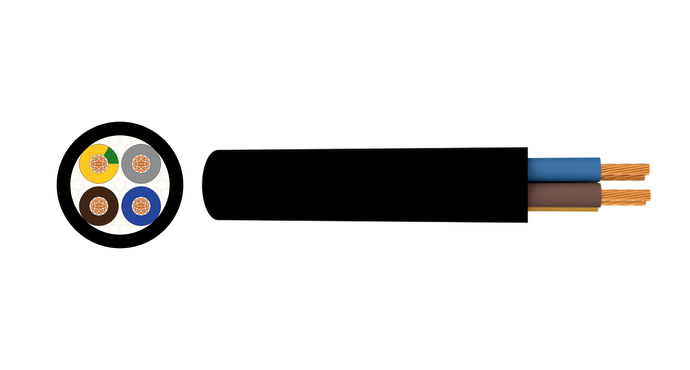
| Core Configuration | Select single-core, multi-core, or cables with earth conductors based on system design requirements. |
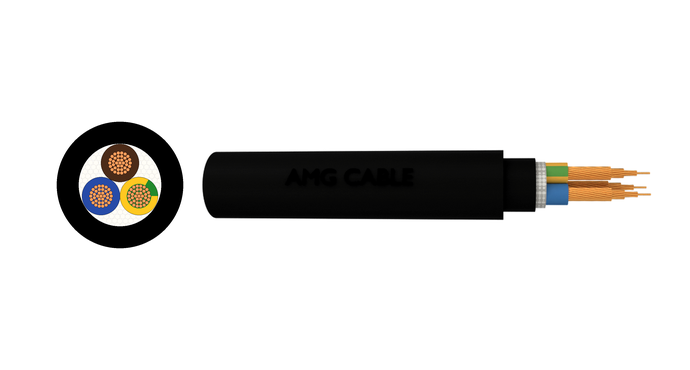
| Mechanical Protection | Use armoured cables where additional protection against impact or underground conditions is required. |
| Installation Environment | Consider indoor, outdoor, underground, direct burial, or cable tray installations. |
| Fire Performance | LSZH, flame-retardant, or fire-resistant cables may be required in public and critical facilities. |
| Project Requirement | Recommended Cable |
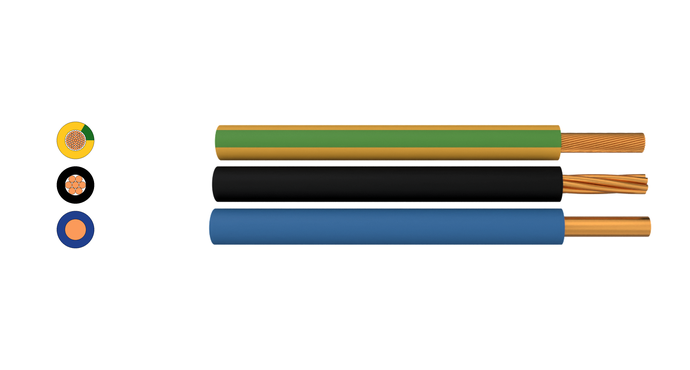
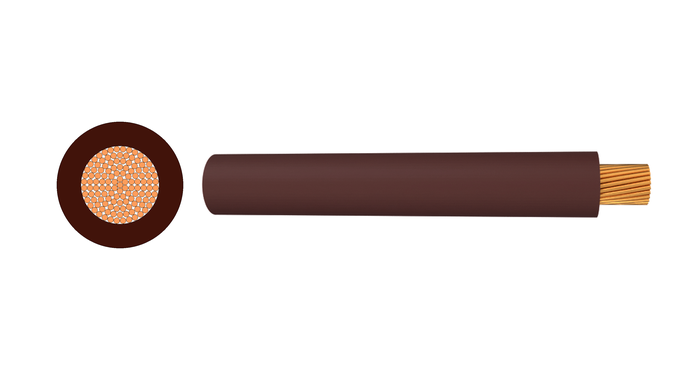
| Indoor Wiring | THHN/THWN, H07V-K |
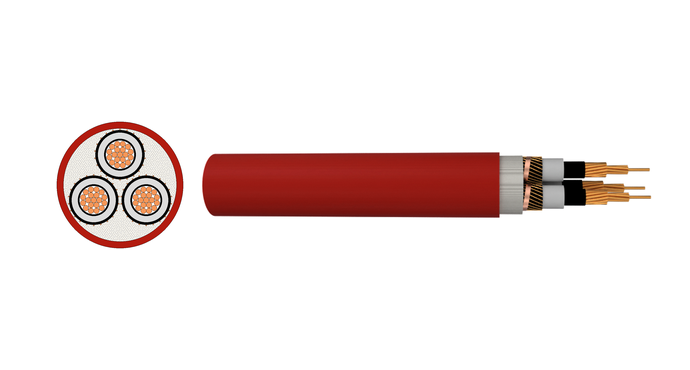
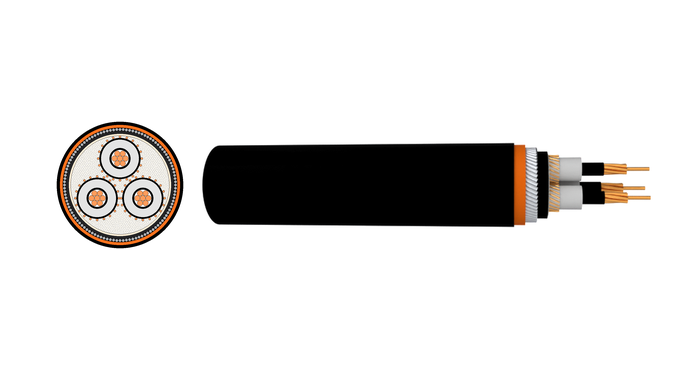
| Main Distribution | N2XY, NYY |
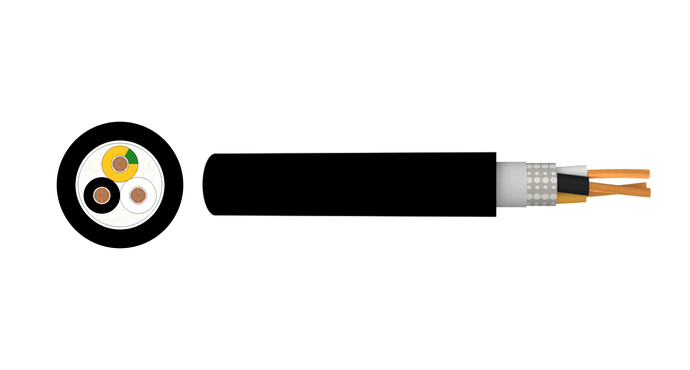
| Public Buildings | RZ1-K, LSZH Cable |
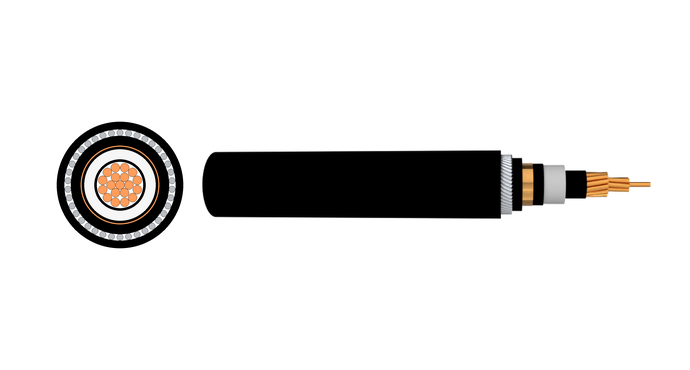
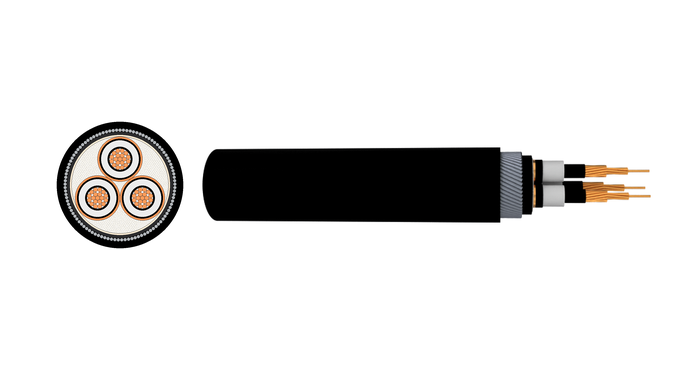
| Underground Installation | SWA Cable, N2XBY |
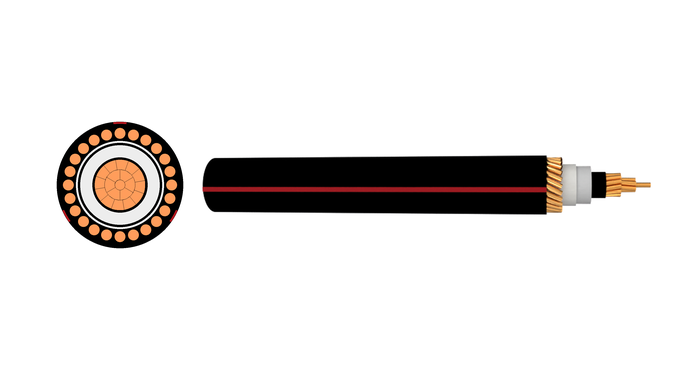
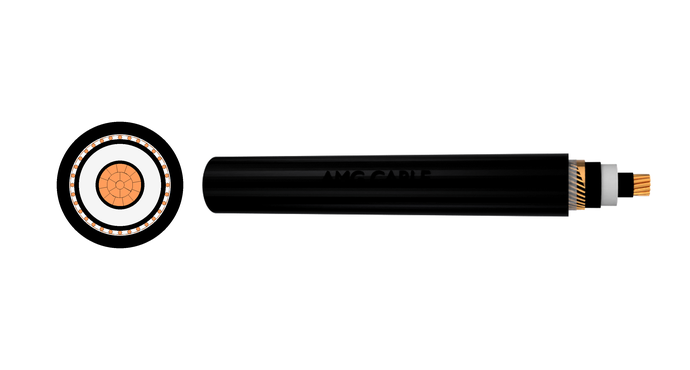
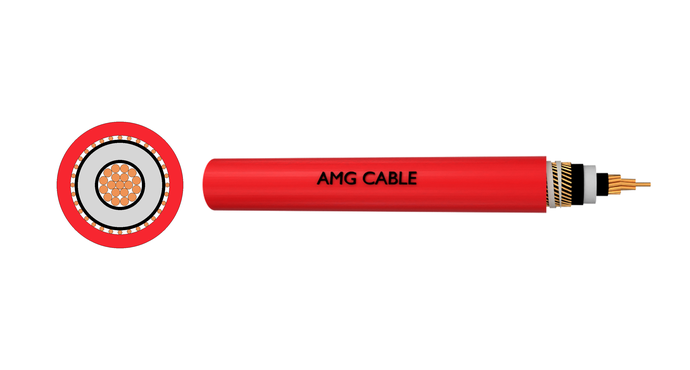
| Large Facilities | N2XSY, MV Cable |
Building Cable Standards
- IEC 60502-1 – Standard for low-voltage power cables up to 0.6/1kV used in building power distribution.
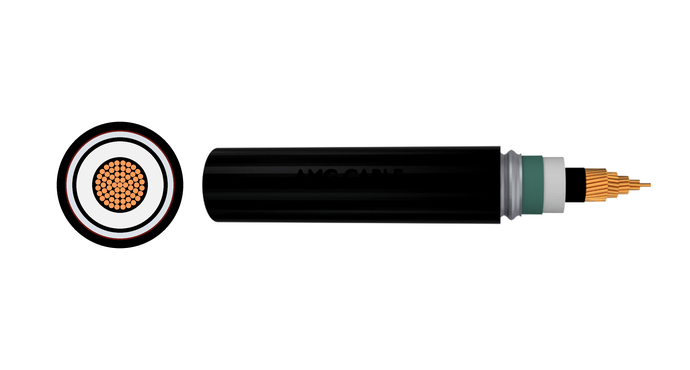
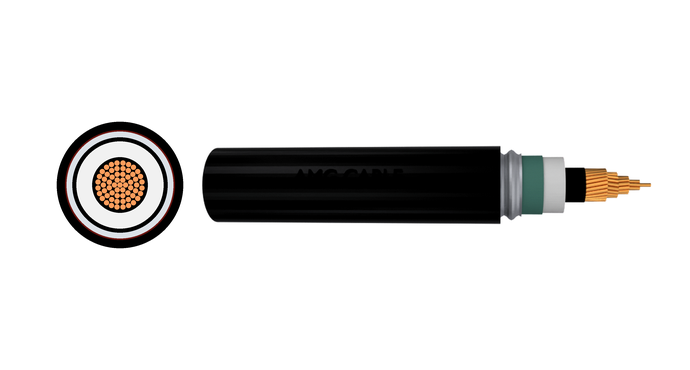
- IEC 60502-2 – Standard for medium-voltage power cables used in large buildings, industrial facilities, and utility networks.
- IEC 60228 – Defines conductor classes and electrical performance requirements for copper and aluminum conductors.
- IEC 60332 – Specifies flame-retardant requirements to help limit fire spread along cables.
- IEC 60754 & IEC 61034 – Evaluate halogen gas emissions and smoke density, commonly applied to LSZH cables.
- BS 6004 – British standard for PVC insulated building wires used in fixed installations.
- BS 6622 & BS 7835 – Standards for medium-voltage and LSZH power cables used in commercial and industrial projects.
- AS/NZS 5000.1 – Australian and New Zealand standard for low-voltage building and power cables.
- AS/NZS 1429.1 – Standard for medium-voltage power cables used in infrastructure and building distribution systems.
- UL THHN/THWN-2 – North American standard for building wire used in conduit and general electrical installations.
- CPR (Construction Products Regulation) – European fire performance classification for cables installed in buildings.
Building cable
Get A Free Quote
Need Help?
Your Trusted Business Partner for Professional Cable Solutions
/ AMG FAQ /
Frequently Asked Questions
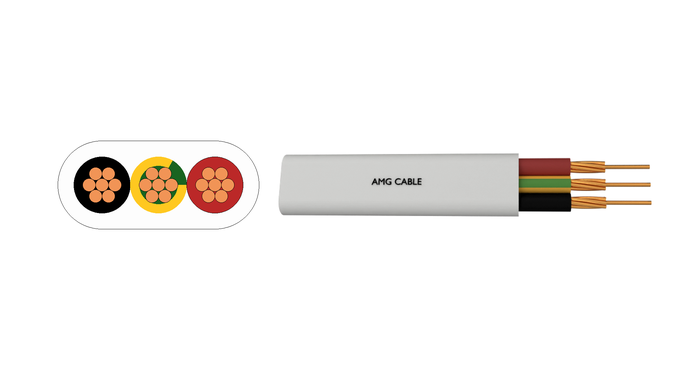
For general indoor power distribution at low voltage, the most common building cable worldwide is the 0.6/1kV XLPE or PVC insulated multi-core cable, typically non-armoured for conduit and tray installation or steel wire armoured (SWA) for direct burial and exposed runs. In North America, THHN/THWN-2 single conductors pulled through conduit dominate commercial and residential fixed wiring. For residential fixed wiring in many Commonwealth markets, flat twin-and-earth cable (such as 6242Y or TPS) is the standard choice for socket and lighting circuits.
Generally speaking, no, standard URD (Underground Residential Distribution) cable cannot enter a building. URD is engineered strictly for outdoor utility and underground direct burial applications. Its polyethylene jacket possesses zero flame-retardant properties. If a fire reaches it inside a structure, it will propagate flames rapidly and emit highly toxic smoke, which violates interior building codes like the National Electrical Code (NEC).
To bring power indoors, the URD cable must terminate at an exterior meter main or disconnect box and transition to an approved interior wiring method (such as THHN or XHHW-2 inside a conduit, or SER cable).
The Exception: URD cable can only enter a building if it carries a dual rating printed explicitly on the jacket, such as URD/RHW-2 or URD/XHHW-2. The secondary designation proves it has passed rigorous indoor fire-safety testing.
There is no fixed price per square foot because cabling cost depends on building type, system voltage, cable type, copper versus aluminium, length of runs, and labour rates in the region. As a rough order of magnitude for budget planning, electrical rough-in materials including cables often fall between 2and6 per square foot for standard commercial projects, with the cable itself representing a portion of that. Medium voltage feeder cables, LSZH requirements, and complex distribution designs push the number higher. For a firm estimate, provide your project’s single-line diagram and cable schedule to a supplier — they can quote the exact material cost quickly.
A 15,000 sq ft commercial building might require anywhere from 3,000 to 8,000 linear feet of main distribution and branch circuit cable, depending on the layout, ceiling height, and density of power outlets and lighting. Add separate runs for HVAC equipment, fire alarm, data, and any specialty systems. It is not a single cable figure — it is the sum of many circuits. A reliable way to estimate is to complete the electrical design and measure the actual circuit lengths on the plan, then add an allowance for drops, pulls, and waste (commonly 5–10%).
Start by identifying the mandatory standards for the project region and building type: IEC 60502, AS/NZS 5000.1, BS 7671, or NEC/NFPA 70 for North America. Then, specify only cables that carry clear markings and third-party certification to those standards. During installation, insist on verification of cable types against the approved submittals, and document the results of insulation resistance tests, continuity checks, and any required fire-performance certification. Finally, involve a qualified electrical inspector at key stages so that non-compliance is caught before walls and ceilings close.
In North American practice, “plenum-rated” mostly applies to low-voltage communication cables (CMP, CL3P) installed in air-handling spaces where smoke and flame spread must be strictly limited. The same principle applies to power cables: in buildings with open plenum ceilings or air ducts, cables need to meet flame and smoke requirements that prevent them from becoming a fire pathway. In power cabling, this typically means specifying LSZH (low smoke zero halogen) or fire-resistant cables tested to IEC 60332-3, IEC 60331, or UL classifications that limit smoke density and toxic emissions, protecting both occupants and equipment during a fire.
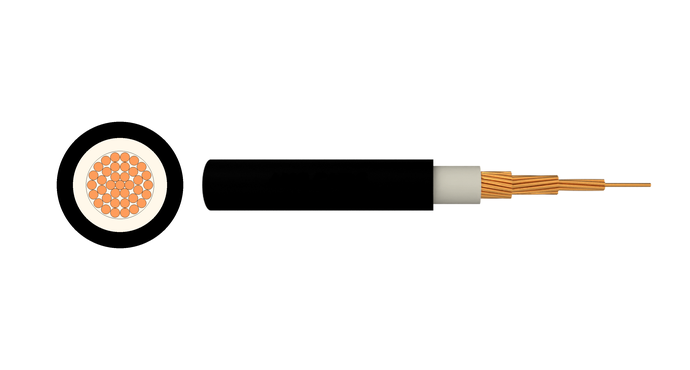
Inside a building, the cabling depends on the voltage and circuit. For branch circuits and lighting, single-core building wires (THHN, H07V‑K) pulled in conduit, or flat twin‑and‑earth cables (6242Y, TPS), are standard. For power distribution between panels, multi-core PVC or XLPE insulated cables — unarmoured in trays and conduit, armoured for risers or underground — cover 0.6/1kV needs. In public buildings, LSZH insulated and sheathed cables are widely used. Medium voltage cables, such as N2XSY or RHZ1, feed the building from the utility side. The common thread is that all these cables are intended for permanent, fixed installation, not for repeated flexing on a jobsite.
Start with the electrical design and the local wiring code. For a new building, the best approach is to break the building into systems — main feeders, sub-distribution, branch circuits, fire‑safety circuits, and specialty equipment — and match the cable construction to each. Use XLPE insulated, armoured cables for main feeders that will be buried or run through risers. For general indoor branch wiring, select THHN, H07V‑K, or flat twin‑and‑earth depending on the region. In any public assembly or high‑occupancy space, specify LSZH sheathed cables from the start. And confirm every cable carries the standard mark the inspector expects to see (IEC, AS/NZS, BS, or UL). When in doubt, work with a supplier who can cross‑reference your specification to exact cable types and who can deliver the full package in one shipment.

Have Questions?
Get in Touch with Us.
AMG Cable Group support 24*7 service and technical assistance.
Phone /Whatsapp / Wechat
+86 188 3803 6118Address
High-Tech Industrial Development Zone,Zhengzhou City,Henan Province,ChinaSend Us a Message
Please feel free to leave a message. We will reply in 24 hours.
/ AMG WIRE&CABLE /
Your trusted partner in high- performance wire and cables
Our team stands by 24/7, responding promptly to
inquiries and providing most quotations within 24 hours.