

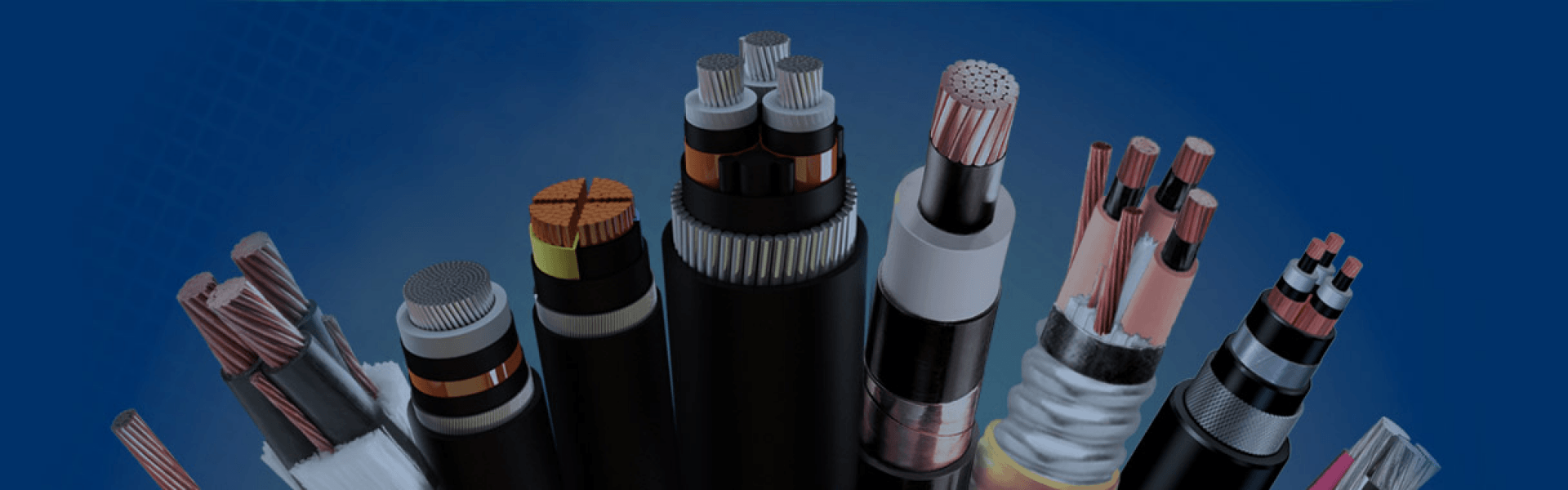
Aerial Cable(ABC Cable)
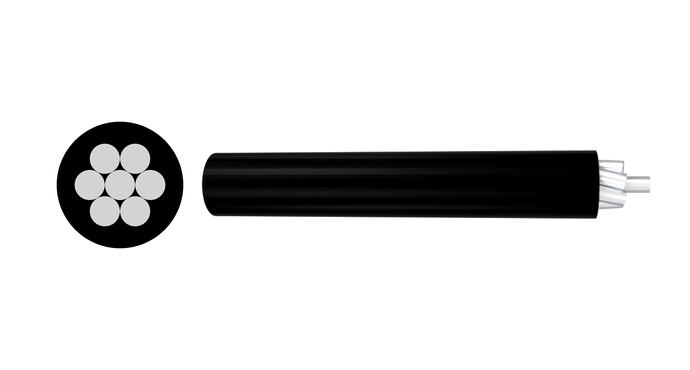
Aerial cable, also known as overhead insulated cable, is a type of power cable designed for above-ground electrical distribution systems. It is widely used in urban and rural power networks to transmit electricity safely and efficiently between utility poles without requiring underground installation. Compared with traditional bare conductors, aerial cables provide improved safety, lower maintenance requirements, and better resistance to environmental influences such as trees, moisture, and accidental contact.
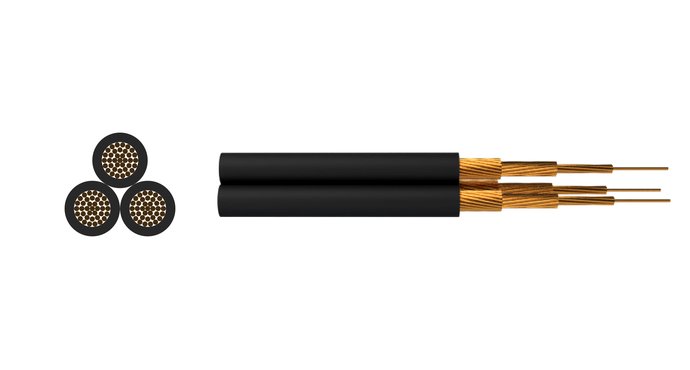
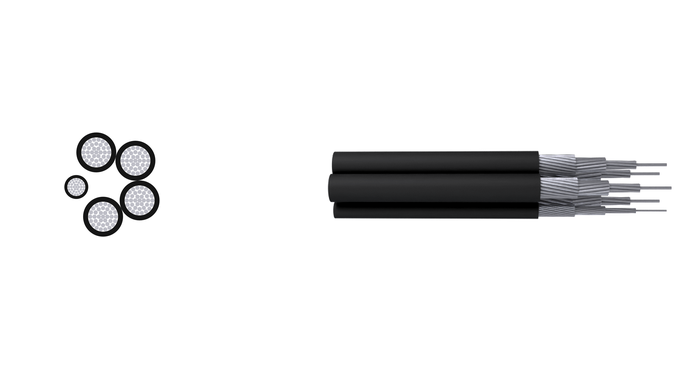
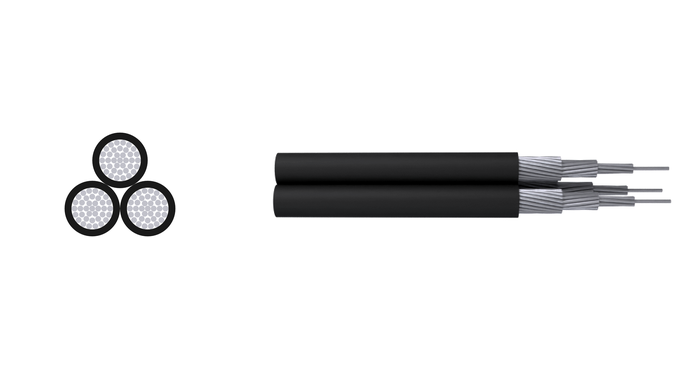
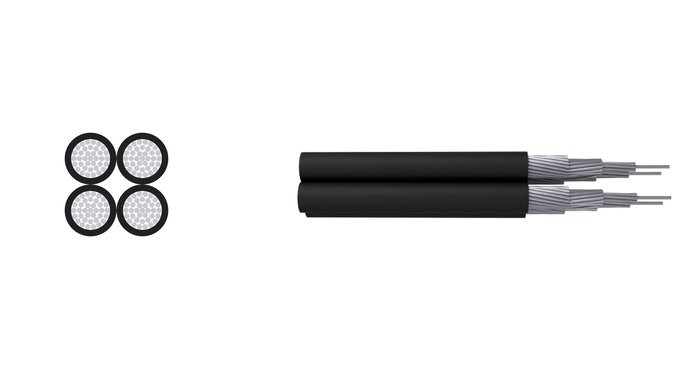
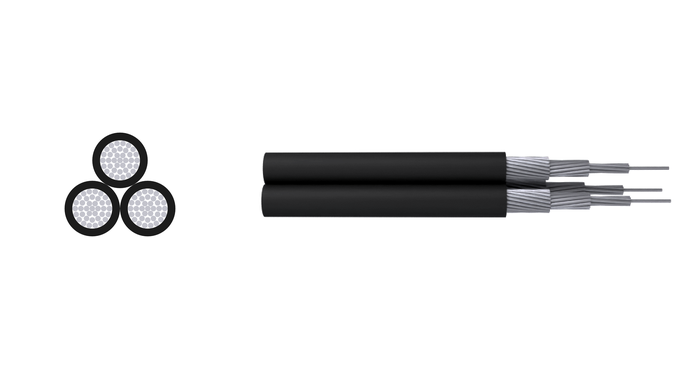
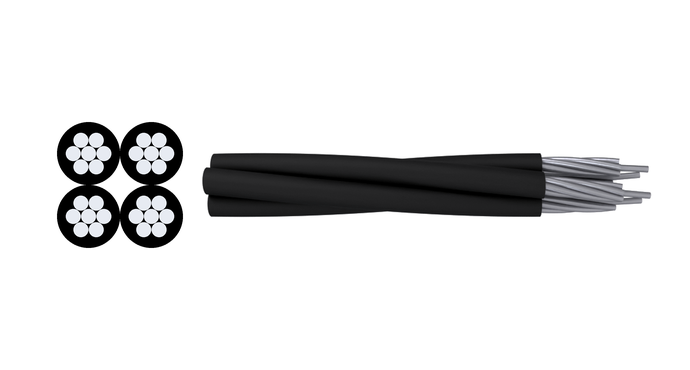
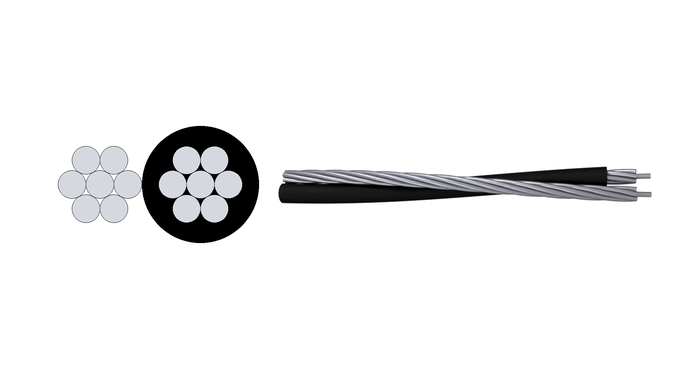
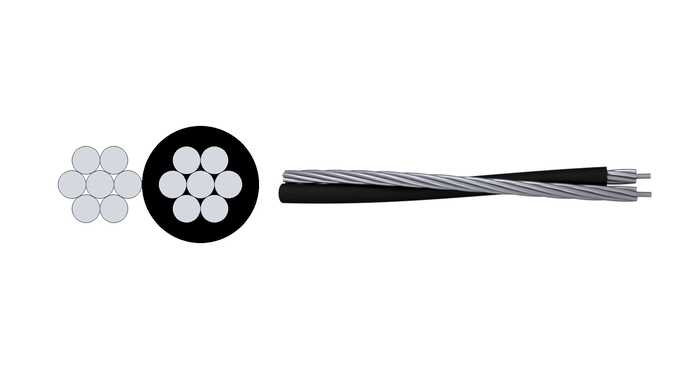
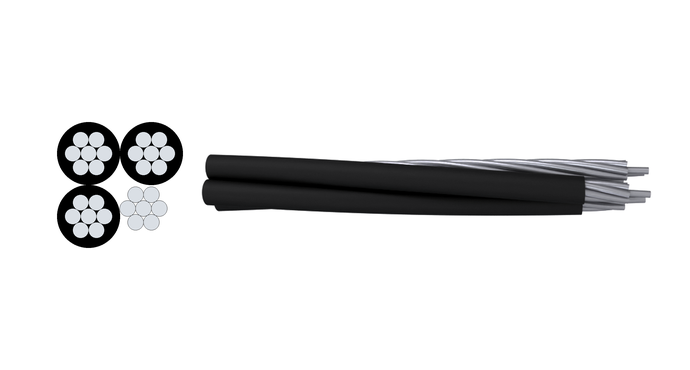
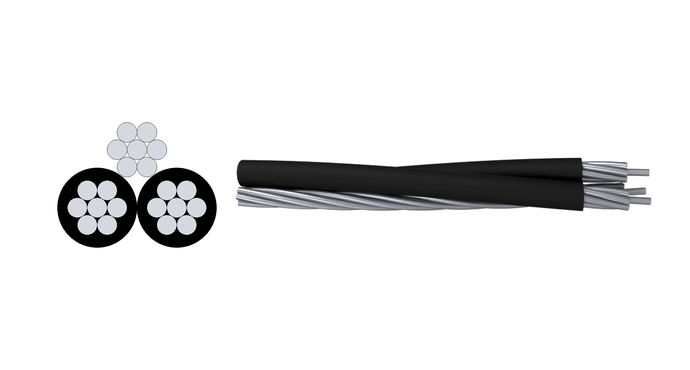
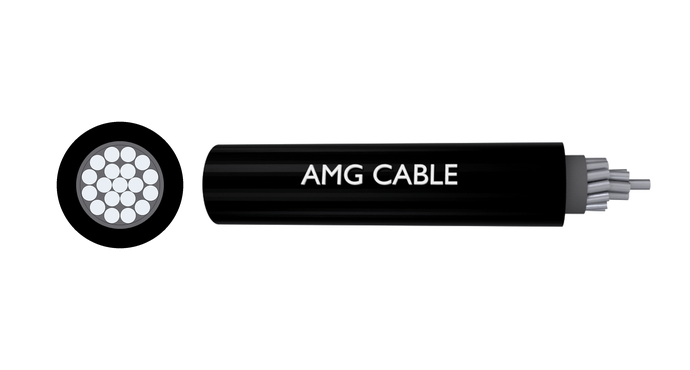
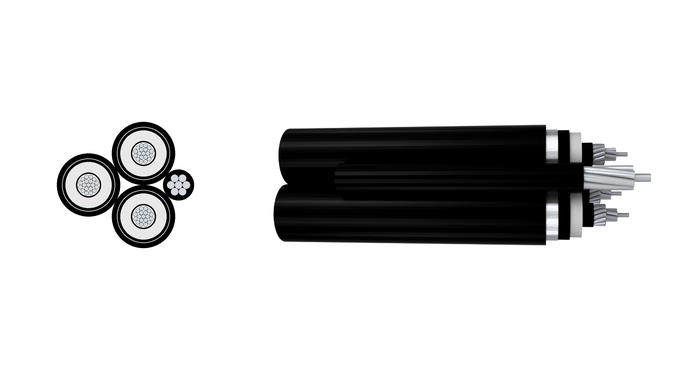
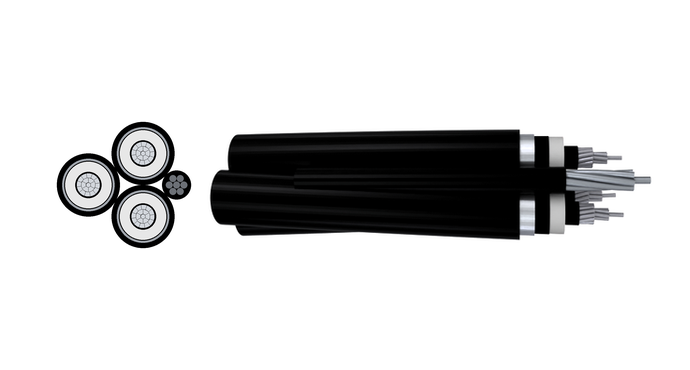
One of the most common types of aerial cable is ABC cable (Aerial Bundled Cable). In an ABC system, multiple insulated conductors are bundled together to form a compact and reliable overhead distribution line. This design helps reduce power interruptions and minimizes the risk of short circuits caused by tree branches, animals, or severe weather conditions.
Aerial cables work by carrying electrical power through insulated conductors suspended between poles or supporting structures. The insulation layer prevents direct conductor contact and helps maintain stable operation in outdoor environments. Depending on the application, aerial cable systems can be used for low-voltage residential distribution, service drop connections, or medium-voltage utility networks.
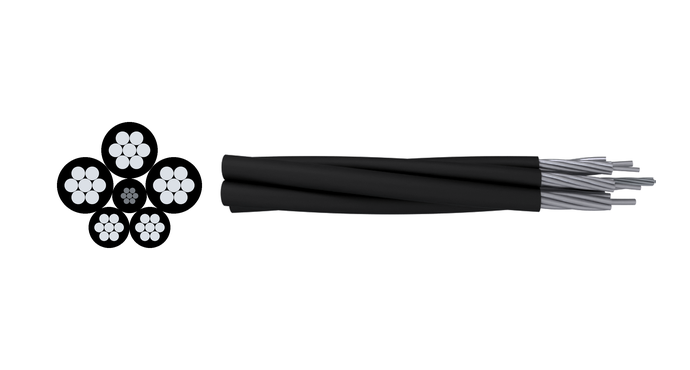
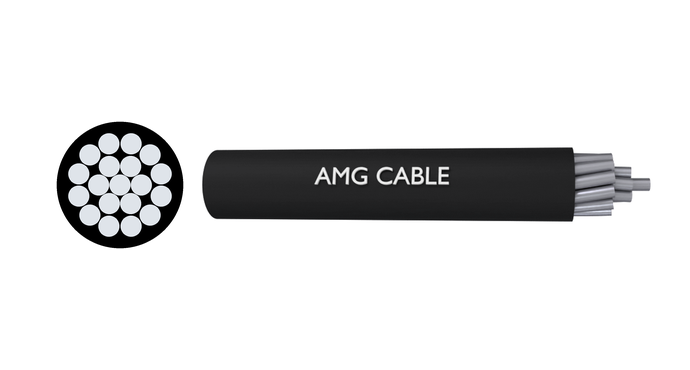
The structure of aerial cable typically includes conductors, insulation layers, and in some cases a neutral messenger or supporting core. Different cable constructions are designed to meet various voltage ratings, mechanical strength requirements, and installation conditions.
Conductors are commonly made from aluminum or copper. Aluminum conductors are widely used because of their light weight, good conductivity, and cost efficiency, especially in large-scale overhead distribution projects. Copper conductors are also available for applications requiring higher conductivity and improved mechanical performance. Depending on the design standard, conductors may use AAC, AAAC, or ACSR constructions to achieve different strength and electrical characteristics.
The insulation material plays an important role in the long-term reliability of aerial cable systems. XLPE (cross-linked polyethylene) is one of the most commonly used insulation materials because of its excellent electrical performance, heat resistance, and weather resistance. PE and PVC insulation materials are also used in certain low-voltage or cost-sensitive applications. For harsh outdoor environments, UV-resistant and weather-resistant compounds can help extend service life and improve operational stability.
Aerial Cable Classification Parameters Summary
| Category | Cable Type | Insulation / Dielectric | Fiber Count | Max. Span (m) | Max. Allowable Tension (kN) | Cable Diameter (mm) | Cable Weight (kg/km) | Operating Temperature (°C) |
| Low-Voltage Aerial Bundled Cable (LV ABC) | Quadruplex / Triplex self-supporting bundle | XLPE or weather-resistant PE | — | 50 | 7.5 | 22.0 | 380 | -40 to +90 |
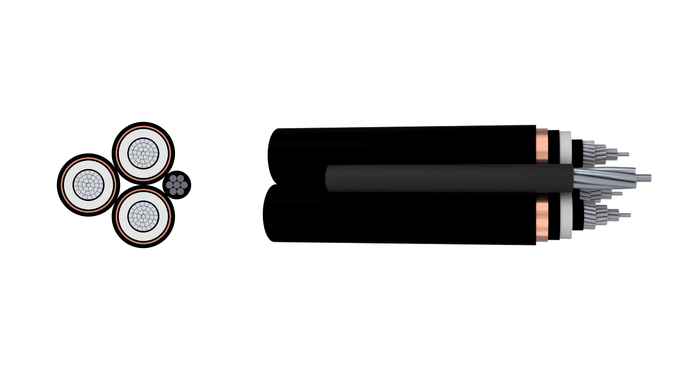
| Medium-Voltage Aerial Bundled Cable (MV ABC) | Three-core messenger-supported bundle, 15 kV class | XLPE / HDPE sheath | — | 100 | 18.0 | 42.0 | 1,450 | -40 to +90 |
| Medium-Voltage Spacer Cable | 15–35 kV covered conductor with non-metallic spacers | Track-resistant XLPE / HDPE | — | 200 | 30.0 | 26.0 (phase cond.) | 1,100 (total system) | -40 to +90 |
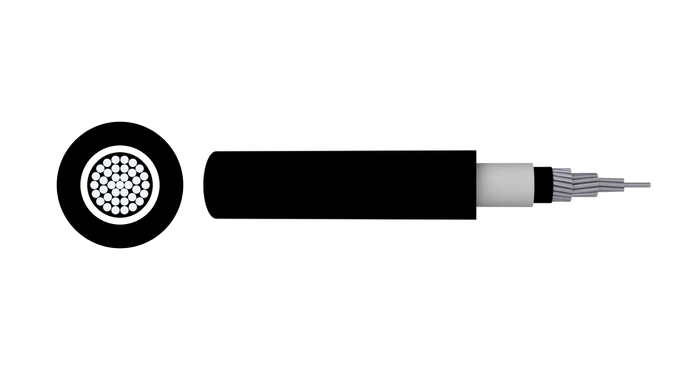
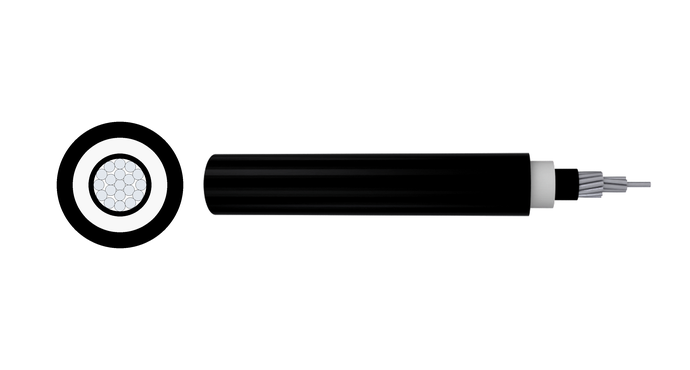
| Medium-Voltage Tree Wire (Covered Conductor) | 15–35 kV single covered conductor, compact strand | XLPE or EPR, semi-conducting screen | — | 180 | 27.0 | 18.5 | 830 | -40 to +105 |
| Optical Phase Conductor (OPPC) | 15 kV composite phase wire with embedded fiber unit | XLPE, dry-core fiber unit | 12–48 | 160 | 25.0 | 35.0 | 1,020 | -40 to +70 (fiber-limited) |
Aerial Cable(ABC Cable)
Get A Free Quote
Need Help?
Your Trusted Business Partner for Professional Cable Solutions
/ AMG FAQ /
Frequently Asked Questions
Aerial cable is used any time you need to string an insulated or protected cable overhead between poles or towers, rather than burying it underground. The core applications fall into two big groups.
Power distribution: Aerial Bundled Cable (ABC) and Covered Conductor bring low- or medium-voltage electricity down residential streets, across wooded areas, or into tight urban alleys. Because they are insulated or covered, they drastically cut down faults caused by tree branches, animals, and wind-blown debris.
Fiber optic communication: ADSS, OPGW, and Figure-8 aerial fiber cables carry voice, data, and video signals along utility corridors. They let you deploy high-speed broadband on existing power line structures without the cost and permissions of trenching.
You will also see aerial cables used for short campus or industrial networking links, remote monitoring backhaul, and temporary event connections where rapid deployment matters more than hiding the cable underground.
No. A coaxial cable is a specific type of signal transmission cable designed for RF communication, television, internet, and CCTV systems. An aerial cable refers to the installation method, meaning the cable is installed overhead. Some coaxial cables can be manufactured for aerial installation, but aerial cables can also include power cables, fiber optic cables, and other communication cables.
Aerial cables strike a practical balance between safety, reliability, and installed cost. Compared with bare overhead conductors, the insulation almost eliminates phase-to-phase faults caused by wind-blown contact, makes it far safer to run lines through trees and close to structures, and greatly reduces the risk of electric shock from accidental contact. Fewer faults mean fewer outages. Because the cables need much less clearance, you can often avoid the expense and disruption of wide, cleared-out electrical corridors. Against underground cables, aerial systems are generally less expensive to build and much quicker to install – there is no trenching – and finding and repairing a fault is a matter of visual inspection, not excavation. When a self-supporting design is used, you also eliminate the need for a separate messenger wire, keeping the system straightforward and fast to deploy.
The answer depends on your operating voltage, the span length between poles, the installation environment and the standard your project calls for. For residential low-voltage distribution, a bundled ABC cable to IEC 60502-1, AS/NZS 3560.1, SANS 1418 or NF C33-209 is typical. Where the cable must support itself over moderate spans without a messenger, a self-supporting design such as CAAI or an alloy-core CAAPI cable works well. Service drops from pole to house are usually duplex, triplex or quadruplex cables. For medium-voltage lines through dense vegetation, track-resistant tree wire (15–35 kV) is the standard choice. Our comparison table above will help you narrow things down quickly, and if you are still unsure, just tell us your voltage level, typical span and the standard you are working to – we will match you to the right product.
For the power cables listed here — ABC and Covered Conductor — support is purely mechanical:
ABC bundles are typically suspended by a suspension clamp attached to the pole, or by a messenger wire if the cable design includes one. The neutral conductor often doubles as the supporting element.
Covered conductor is strung on standard pin insulators and tie wires, just like a bare line, but with care to avoid damaging the covering at the tie points.
In both cases, support hardware must be sized to match the cable diameter and maximum allowable tension. Never use undersized clamps — they concentrate stress and can crush the insulation.
For power aerial cables, connection is done without stripping the whole conductor length, which preserves the weather-proof integrity:
Mid-span taps and service connections (ABC): Use insulation-piercing connectors (IPCs). These bite through the XLPE insulation and make secure contact with the aluminium conductor, all while keeping the connection point sealed against moisture. No need to cut or remove the main conductor insulation.
Line terminations and joints: Apply heat-shrink or cold-shrink termination kits that seal the cut end of the cable against water ingress. The termination must cover both the conductor insulation and the outer sheath to create a continuous water block.
Covered conductor connections: Standard compression connectors can be used, but the covering must be removed only at the connector barrel. The connector and exposed aluminium are then protected with a weather-proof heat-shrink sleeve.
A universal rule: leave a service loop at every connection point. Temperature expansion, wind sway, and ice loading constantly move an aerial cable, and the loop absorbs that movement so the splice or connector does not become a mechanical weak point.
Routine maintenance for an aerial fiber plant is mostly about keeping your eyes on the cable and fixing small things before they become large outages.
Annual visual patrols. Walk or drive the line and look for cracked or abraded outer sheaths, loose tie wires, sagging bundles, and signs of tracking or corona damage.
Vegetation management. Branches rubbing on ABC or covered conductor will eventually wear through the sheath. Trim back any growth that can touch the cable under normal sway.
Hardware checks. Look for corrosion on suspension clamps, wedge grips, and pole brackets. A rusted-through clamp can drop an entire span.
Thermal inspection. A thermal camera survey during peak load can spot developing high-resistance connections at IPC taps before they burn clear.
Repair sheath damage immediately. A small cut in the PE outer jacket lets moisture migrate along the conductor. Seal it promptly with a weather-proof repair tape or heat-shrink repair sleeve to keep the dielectric strength intact.

Have Questions?
Get in Touch with Us.
AMG Cable Group support 24*7 service and technical assistance.
Phone /Whatsapp / Wechat
+86 188 3803 6118Address
High-Tech Industrial Development Zone,Zhengzhou City,Henan Province,ChinaSend Us a Message
Please feel free to leave a message. We will reply in 24 hours.
/ AMG WIRE&CABLE /
Your trusted partner in high- performance wire and cables
Our team stands by 24/7, responding promptly to
inquiries and providing most quotations within 24 hours.